
Back pain can greatly impact your daily life, making simple tasks feel challenging. Understanding its causes and adopting preventive measures is vital for relief. By focusing on proper posture, core strength, and ergonomic adjustments, you can create a supportive environment for your spine. It’s also essential to incorporate stretching exercises into your routine. Let’s explore these strategies further to help you maintain a healthier back and enhance your overall well-being.
Understanding the Causes of Back Pain

When you experience back pain, it’s essential to understand its underlying causes to find effective relief. Common culprits include muscle strain, ligament sprains, and herniated discs. Poor lifting techniques or sudden movements can intensify these issues.
Understanding the causes of back pain, such as muscle strain and poor lifting techniques, is crucial for effective relief.
Conditions like arthritis or scoliosis may also contribute, leading to chronic discomfort. Additionally, lifestyle factors such as obesity, lack of exercise, and prolonged sitting can exacerbate your pain.
Identifying these causes helps you target your treatment more effectively. You might need to evaluate factors such as your daily activities, ergonomic setups, or even emotional stress, which can manifest physically.
Understanding these elements empowers you to take proactive steps towards relief and improved well-being.
Maintaining Proper Posture
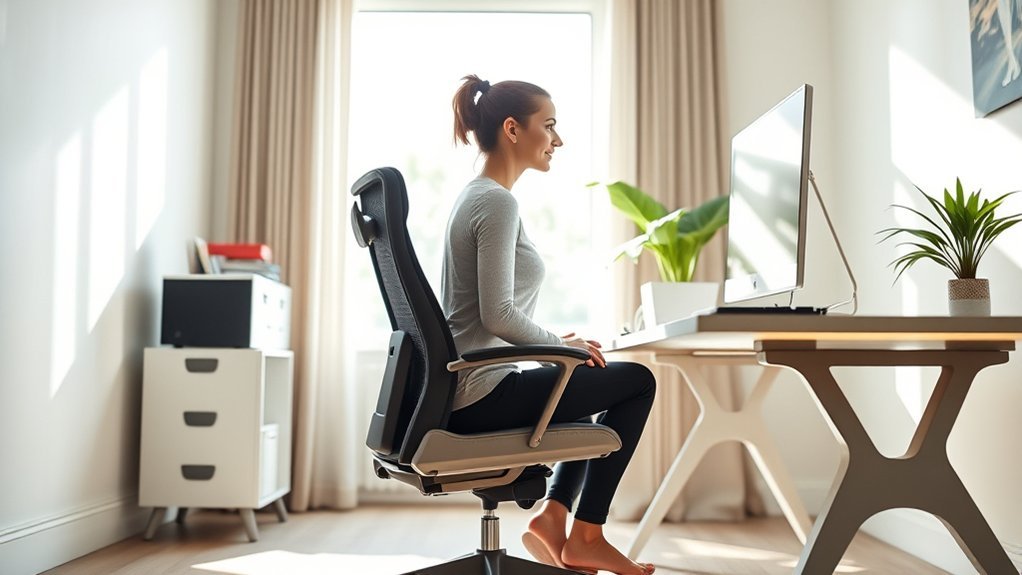
Maintaining proper posture is essential for alleviating back pain and preventing future discomfort. When you sit, stand, or walk, guarantee your spine is aligned. Keep your shoulders back, your chest open, and your head level.
If you’re sitting for extended periods, use ergonomic chairs that support your lower back. Adjust your workstation so your screen is at eye level, allowing you to avoid straining your neck.
When lifting objects, bend your knees and keep the item close to your body to reduce strain. Remember, consistent awareness of your posture can greatly impact your overall spine health.
Strengthening Core Muscles

A strong core plays an essential role in supporting your spine and reducing back pain. By focusing on core strength, you can enhance stability and improve overall posture, which helps alleviate strain on your back. Here are some effective exercises to contemplate:
| Exercise | Description |
|---|---|
| Plank | Hold a push-up position, engaging your core. |
| Dead Bug | Lie on your back, extend arms and legs, alternate movements. |
| Bridge | Lie on your back, lift hips while squeezing glutes. |
| Bicycle Crunch | Lie on your back, alternate touching knees to elbows. |
| Side Plank | Rotate to your side, hold your weight on one arm, engaging your core. |
Incorporating these exercises into your routine can considerably improve your core strength and, ultimately, your back health.
Incorporating Stretching and Flexibility Exercises
Incorporating stretching and flexibility exercises into your routine can greatly enhance your back health by improving your range of motion and reducing muscle tension.
Regular stretching helps to lengthen tight muscles, which can alleviate discomfort and prevent future pain. Focus on exercises that target your lower back, hips, and hamstrings, as these areas often contribute to back strain.
Incorporating regular stretching can relieve discomfort and prevent back pain by targeting tight muscles in the lower back, hips, and hamstrings.
Consider integrating dynamic stretches, like cat-cow or gentle twists, into your warm-up, and static stretches, such as the child’s pose, during your cooldown.
Aim for at least 10-15 minutes of stretching daily. Listen to your body; don’t push yourself into painful positions.
With consistent practice, you’ll likely notice increased flexibility and a significant reduction in back pain, enhancing your overall quality of life.
Making Ergonomic Adjustments in Your Workspace
Creating an ergonomic workspace is essential for reducing back pain and enhancing your overall comfort while working. Start by adjusting your chair so your feet rest flat on the ground, and your knees are at a 90-degree angle. Position your computer screen at eye level to avoid straining your neck.
| Adjustment | Impact on Comfort |
|---|---|
| Chair Height | Prevents lower back strain |
| Monitor Position | Reduces neck tension |
| Keyboard Placement | Minimizes wrist discomfort |
| Desk Arrangement | Enhances overall posture |
Frequently Asked Questions
How Can Stress Contribute to Back Pain?
Stress can tighten your muscles, leading to tension in your back. It may also affect your posture and increase inflammation, both of which can contribute to pain. Managing stress can greatly alleviate these symptoms.
Are There Specific Foods That Help Reduce Back Pain?
Certain foods, like fatty fish, leafy greens, and nuts, can reduce inflammation and support overall health. Incorporating these into your diet might not eliminate pain, but they could certainly help in managing it effectively.
What Role Does Sleep Quality Play in Back Pain Relief?
Sleep quality greatly impacts your back pain relief. Poor sleep can exacerbate discomfort, while restorative sleep helps your body heal and reduces inflammation. Prioritizing good sleep habits can lead to improved pain management and overall well-being.
Can Certain Footwear Affect Back Pain Levels?
Yes, certain footwear can greatly affect your back pain levels. Supportive shoes with proper arch support and cushioning help maintain alignment and reduce strain, while unsupportive footwear may exacerbate discomfort and lead to further issues.
How Does Weight Management Impact Back Pain?
When you maintain a healthy weight, you reduce stress on your spine. For instance, imagine a person shedding excess pounds; their back pain lessens considerably, improving mobility and overall quality of life. It’s essential for your well-being.
Conclusion
Just as a sturdy tree bends with the wind but doesn’t break, you too can withstand the strains of daily life by nurturing your back. By maintaining proper posture, strengthening your core, and incorporating stretching, you’re not just preventing pain; you’re fortifying your foundation. Remember, your workspace should support you like the rich soil nourishes roots. Embrace these practices, and you’ll cultivate a healthier spine, allowing you to stand tall against back pain’s challenges.