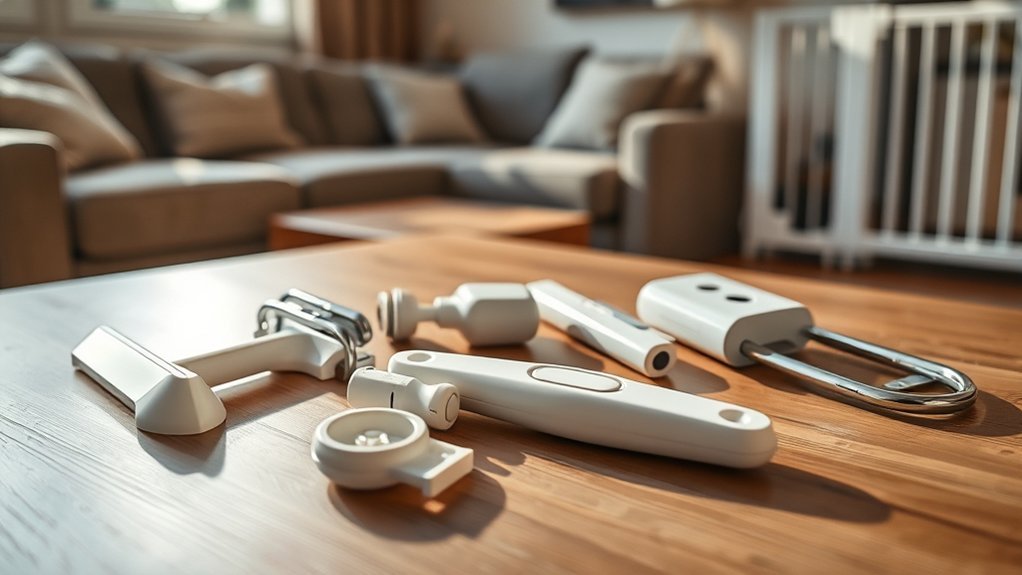
Babyproofing your home is like building a fortress for your little explorer. You want to create a safe space while also encouraging independence. With the right tools, you can minimize risks without stifling your child’s curiosity. Knowing which babyproofing tools to use and where to start can feel overwhelming, so here’s a breakdown of the must-have items that can help secure your home and give you peace of mind.
Quick Answer
- Start babyproofing around six months, before your baby begins to crawl.
- Key tools include outlet covers, cabinet locks, corner guards, safety gates, non-slip mats, and a baby monitor.
- Anchor tall furniture to walls to prevent tip-overs, one of the top hidden hazards for young children.
- Reassess your setup every few months as your child reaches new developmental milestones.
The Importance of Babyproofing Your Home
When you bring a baby into your home, their safety becomes a top priority. Babyproofing isn’t just about preventing accidents. It’s about creating a nurturing environment where your child can explore freely.
Babies are naturally curious, and that curiosity can lead them into dangerous situations. Identifying potential hazards like sharp corners, exposed outlets, and toxic substances is a crucial step in protecting your little one.
Babies’ curiosity can lead to hazards; identifying dangers like sharp corners and toxic substances is vital for their safety.
Think ahead and anticipate your child’s developmental milestones. They’ll be crawling and walking before you know it, and every room should be ready for that. Taking time to babyproof now not only protects your child but also gives you peace of mind so you can focus on enjoying this time together.
Essential Babyproofing Tools for Every Parent
Having the right babyproofing tools on hand makes a real difference when creating a safe environment for your little one.
Start with outlet covers to keep curious fingers away from sockets. Cabinet locks secure harmful substances, and corner guards protect against sharp edges on furniture. Door knob covers restrict access to dangerous areas, and non-slip mats help prevent slips and falls, especially in the bathroom.
A baby monitor lets you keep an eye on your child from another room. Together, these tools boost safety and give you peace of mind as you step into parenthood.
How to Choose the Right Safety Gates
Choosing the right safety gate is a key part of keeping your little one safe. You’ll want to think about the types available, how they install, and the right height and width for your space. Here’s what to consider.
Types of Safety Gates
Safety gates come in several types, each designed for different needs. Pressure-mounted gates are easy to install and work well in doorways, but they’re not suitable for the top of stairs.
For stairs, go with hardware-mounted gates. They offer more stability and a firmer hold. If you want flexibility, retractable gates pull across an opening when needed and tuck away neatly when not in use.
Extra-wide or taller gates are worth considering if your child is particularly adventurous. Some gates also feature walk-through doors, so you can pass through without removing the gate entirely.
Installation Considerations
Before installing a safety gate, look at the areas you want to secure. Stairs, doorways, and open spaces each have different requirements. Measure the width of each opening so you choose a gate that fits properly.
Think about how permanent the installation needs to be. Pressure-mounted gates work well for temporary use, while hardware-mounted gates are better for high-traffic areas. Check build quality and materials to confirm the gate is durable.
Also look for gates that open and close easily. Convenient access matters when you’re moving through the house constantly while keeping your child safe.
Height and Width Options
Getting the height and width right has a real impact on how well a gate works. You want it tall enough to discourage climbing, but not so tall that it becomes hard to open. Width matters just as much. A gate that fits snugly with no gaps is far more effective.
| Measurement | Recommendation |
|---|---|
| Height | 30 inches or taller |
| Width (Standard) | 29 to 36 inches |
| Width (Expandable) | Up to 60 inches |
Factor in your child’s age and agility when choosing. A well-fitted gate lets your child explore safely while freeing you from constant worry.
Protecting Your Child From Electrical Hazards
Electrical hazards are a serious risk for young children. Start by covering all unused outlets with safety plugs to prevent curious fingers from exploring. Use cord organizers to keep electrical cords out of reach, which reduces the chance of tripping or tugging.
Cover unused outlets with safety plugs, use cord organizers for electrical cords, and ensure exposed wiring is secure.
Make sure any exposed wiring is properly repaired and secured. Surge protectors are a good investment for your devices, and they should always be kept away from water sources. Pay special attention to childproofing around appliances in the kitchen and bathroom.
A regular walk-through of your home to spot new hazards goes a long way. Your vigilance creates a safer space for your child’s exploration.
Securing Furniture and Heavy Items
According to the U.S. Consumer Product Safety Commission, a child is treated in an emergency department for furniture or TV tip-over injuries every 53 minutes. Anchoring heavy items in your home is one of the most impactful safety steps you can take.
Start by securing tall bookshelves, dressers, and entertainment centers to the wall using anti-tip kits. These kits include brackets and straps that install with basic tools. Keep heavy items like books or decorative pieces on lower shelves to reduce the risk of falls.
Corner guards are also a smart addition to soften sharp edges on furniture. Check stability regularly. As children grow and start climbing, furniture that once seemed secure can become a hazard.
The Role of Babyproofing in Preventing Falls
As your child begins to explore, babyproofing plays a direct role in preventing falls and injuries. Secure furniture and heavy items to walls to prevent tipping. Use corner guards on sharp edges and non-slip mats on slippery surfaces.
Make sure stairways have sturdy gates at both the top and bottom. Remove small rugs that can cause tripping hazards, and keep pathways free of toys and clutter. A clear, secure environment protects your child while giving them the room to explore freely.
Creating a Safe Outdoor Environment
Outdoor safety matters just as much as babyproofing inside. Start by inspecting your yard for hazards like sharp tools, poisonous plants, and uneven surfaces. Install safety gates to block access to driveways or pools, and opt for non-toxic materials in any outdoor play equipment.
Set up designated play areas and keep them free of debris and sharp objects. Appropriate footwear helps prevent slips and injuries. Talk to your child about boundaries and safe play so they understand where they can roam freely.
Room-by-Room Babyproofing Overview
Different rooms carry different risks. Here’s a quick guide to the key hazards in each area of your home.
Kitchen: Lock cabinets that hold cleaning products, sharp utensils, or medications. Use stove knob covers and appliance latches to keep little hands away from hot surfaces and heavy equipment.
Bathroom: Add a toilet lock, non-slip mat, and cabinet locks for medicines and cleaning supplies. Never leave standing water unattended in the tub or sink.
Living Room: Anchor the TV and any tall furniture. Cover outlets, use corner guards on coffee tables, and keep remote controls and small decorative items out of reach.
Bedroom: Secure dressers and bookshelves to the wall. Make sure window blinds have cordless designs to remove strangulation risks. Keep small objects, including jewelry and coins, off low surfaces.
Going room by room makes it easier to catch hazards you might otherwise miss.
Tips for Ongoing Safety Assessments and Updates
After creating a safe outdoor environment, revisit those safety measures regularly. Do a safety check every few months, looking for wear and tear on equipment like swings or slides. Confirm all gates and fences are secure and free of gaps.
Watch for new hazards like fallen branches or uneven surfaces, and fix them quickly. Your child’s developmental changes also shift what’s safe. What worked well at six months may not be enough at eighteen months.
Get your child involved in conversations about safety as they get older. Helping them recognize dangers builds good habits early and keeps your outdoor space a genuinely safe place for play.
Frequently Asked Questions
At What Age Should I Start Babyproofing My Home?
Start babyproofing around six months, when your baby begins to crawl and explore. Getting ahead of it now helps create a safe environment so you can enjoy their curiosity without constant worry.
How Often Should I Reassess My Babyproofing Measures?
Reassess every few months or whenever your child hits a new milestone. As they start crawling, climbing, and discovering new things, your home needs to keep up with them.
Are There Eco-Friendly Babyproofing Products Available?
Yes, eco-friendly options exist. Look for products made from sustainable materials, non-toxic finishes, and biodegradable packaging. Research brands with a clear commitment to environmental responsibility to make sure your home is both safe and green.
Can Pets Compromise Babyproofing Efforts?
Yes, pets can undermine your babyproofing setup. They may knock over barriers, disturb safety gates, or access hazardous items. Training your pets, securing spaces, and monitoring their interactions with your child all help keep things safe.
What Are Common Babyproofing Mistakes to Avoid?
Overlooking small hazards, underestimating the importance of anchoring furniture, and assuming your child can’t reach high places are all common slip-ups. Always double-check safety devices and stay alert. Kids are curious and adventurous, which can lead to accidents in spots you least expect.
Conclusion
Toddlers can turn into miniature tornadoes fast, and babyproofing is how you stay one step ahead. The right safety tools don’t just prevent accidents. They create a home where your child can explore without constant danger. Even the tiniest outlet can become a hazard, and unguarded furniture can lead to serious falls. Stay vigilant, keep your safety gear updated, and reassess as your child grows. Your little explorer deserves a safe haven while they conquer their world.
