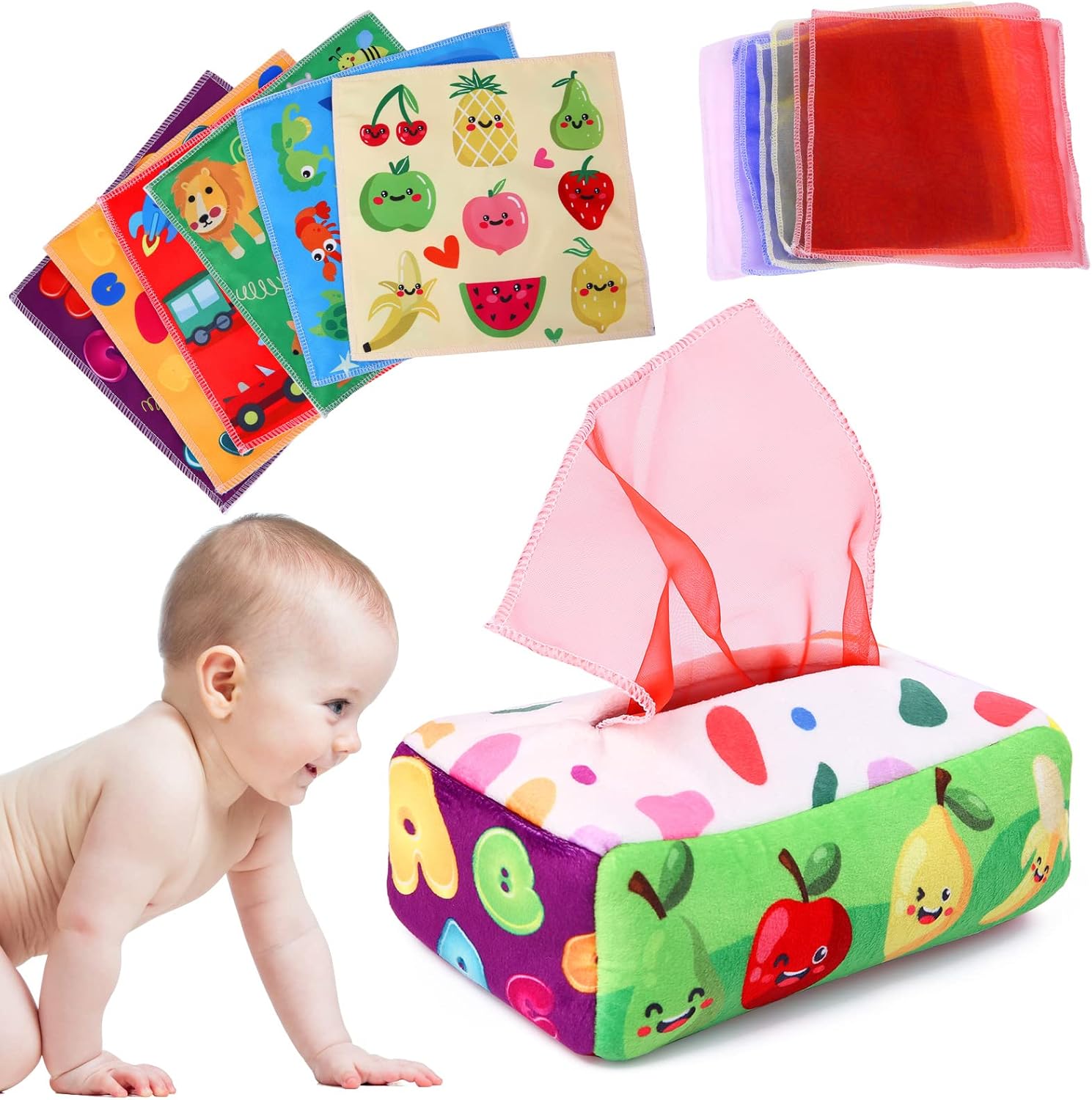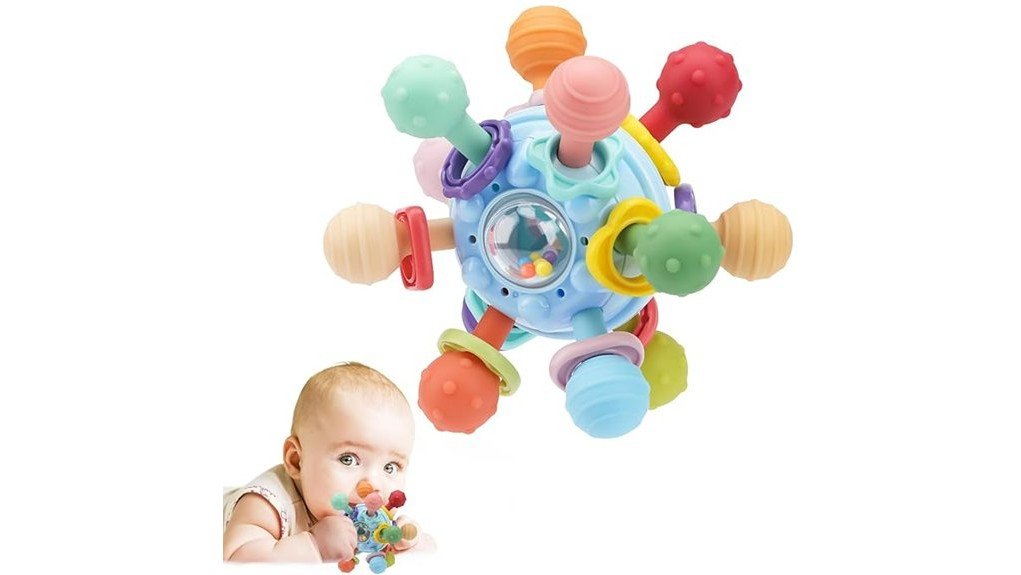
Baby Montessori sensory toys are designed to support early exploration through touch, grasping, and simple cause-and-effect play. Their varied textures, bright colors, and soft silicone materials can help strengthen fine motor skills while offering a safe option for teething babies. They are often compact and easy to carry, which makes them practical for home use and travel. What matters most, however, is how well they fit a baby’s stage of development.
Key Takeaways
- Baby Montessori sensory toys support sight, touch, and movement with bright colors, varied textures, and simple actions.
- They encourage grasping, twisting, reaching, and holding, helping build fine motor and hand coordination skills.
- Soft silicone and durable materials make them suitable for teething babies and safe mouthing under supervision.
- Their compact, lightweight design works well for home play, tummy time, car rides, and travel.
- They make thoughtful gifts because they combine sensory engagement, developmental benefits, and safety reassurance.
What Is a Baby Montessori Sensory Toy?
A Baby Montessori sensory toy is a development-focused infant toy designed to support early exploration through sight, touch, and simple hand movements. Grounded in Montessori principles, it typically offers clear colors, varied textures, and straightforward actions that invite sensory exploration without overstimulation.
Such toys are usually sized for small hands and made with materials suited to infants who mouth objects during teething. The design favors independent discovery, allowing babies to engage at their own pace.
In that quiet autonomy, infants encounter a world organized for learning, agency, and dignity, even before words emerge.
How This Toy Supports Baby Development
By inviting babies to grasp, reach, twist, and hold, the toy supports early gross motor development and hand coordination in a way that matches typical infant abilities from birth through 18 months.
Its varied textures, bright colors, and moving parts encourage sensory exploration while helping infants notice cause and effect.
Repeated handling can strengthen fine motor control as little hands practice opening, closing, and shifting grip.
Repeated handling can strengthen fine motor control as little hands practice opening, closing, and shifting grip.
Such play also supports attention, curiosity, and early problem-solving without requiring adult direction.
Designed for small hands, the toy respects a baby’s pace and promotes self-directed learning through joyful, accessible movement.
Why It’s Safe for Teething Babies
Soft silicone surfaces make this toy gentle on sore gums, giving teething babies a safer option for oral exploration. The materials are selected for durability and low risk, supporting teething relief without relying on harsh edges or brittle parts.
Because the toy has been tested to recognized safety standards, caregivers can better trust its construction during sensory exploration. Its soft textures invite mouthing while remaining developmentally appropriate for infants learning through touch, grasp, and bite.
This supports a child’s right to comfort and discovery, while respecting the need for safe, liberated play.
How to Use It at Home or on Trips
At home, the toy can be offered during supervised floor play, tummy time, or quiet hand-to-mouth exploration to support grasping, reaching, and sensory discovery.
At home, offer the toy during supervised floor play, tummy time, or hand-to-mouth exploration for grasping and sensory discovery.
Its varied textures, bright colors, and moving parts invite sensory exploration without overstimulation.
During travel activities, its compact size fits easily in a diaper bag or seat pocket, giving infants a familiar object for cars, planes, or waiting rooms.
Caregivers can rotate short play periods to maintain interest and allow rest.
Is It a Good Gift for Babies?
Yes—Baby Montessori Sensory Toys can be considered a strong gift choice for infants because they combine age-appropriate sensory stimulation with practical developmental benefits.
Their bright colors, textured surfaces, and moving parts support sensory engagement while inviting grasping, reaching, and early hand coordination.
Because the toy is lightweight, compact, and made for small hands, it suits home use and travel alike.
Safety testing adds reassurance for caregivers seeking thoughtful options.
For gift occasions such as baby showers, birthdays, and holidays, it offers a useful, child-centered alternative to passive presents, helping babies explore freely and safely.
Frequently Asked Questions
What Age Range Is This Toy Best For?
It is best for infants 0–18 months, especially newborns through 12 months. The toy supports developmental benefits and sensory exploration, making it developmentally appropriate for grasping, teething, and early motor learning.
How Do I Clean the Silicone Surfaces?
Silicone surfaces can be wiped with warm water and mild soap, then air-dried. These cleaning tips support proper silicone care, keeping the toy hygienic, child-focused, and developmentally-appropriate for infants exploring safely and freely.
Does It Make Any Sound When Played With?
Yes, it makes soft rattle-like sounds when handled, supporting sound quality awareness and sensory stimulation. The toy’s gentle noise is developmentally appropriate, engaging infants without overstimulation while encouraging exploration, grasping, and listening during play.
Will It Fit in a Standard Diaper Bag Pocket?
Yes, it should fit in a standard diaper bag pocket. Its compact 4.13 x 4.13 x 2.76-inch size and 0.25-pound weight support diaper bag organization, while toy portability helps keep infants engaged safely during travel.
What Colors Are Included in the Set?
Like a rainbow, the set includes 12 bright colors, supporting color psychology and sensory development. A reviewer would note the varied hues help infants focus, grasp, and explore while remaining developmentally appropriate and child-centered.
Conclusion
In conclusion, baby Montessori sensory toys offer a gentle, well-rounded way to support early learning. Their varied textures, bright colors, and easy-to-grasp shapes quietly encourage curiosity, hand control, and sensory discovery in a developmentally appropriate manner. With soft silicone surfaces suited for teething comfort, they remain a practical option for both home and travel. As a gift, they are often viewed as a thoughtful little companion for a child’s earliest stages of growth.