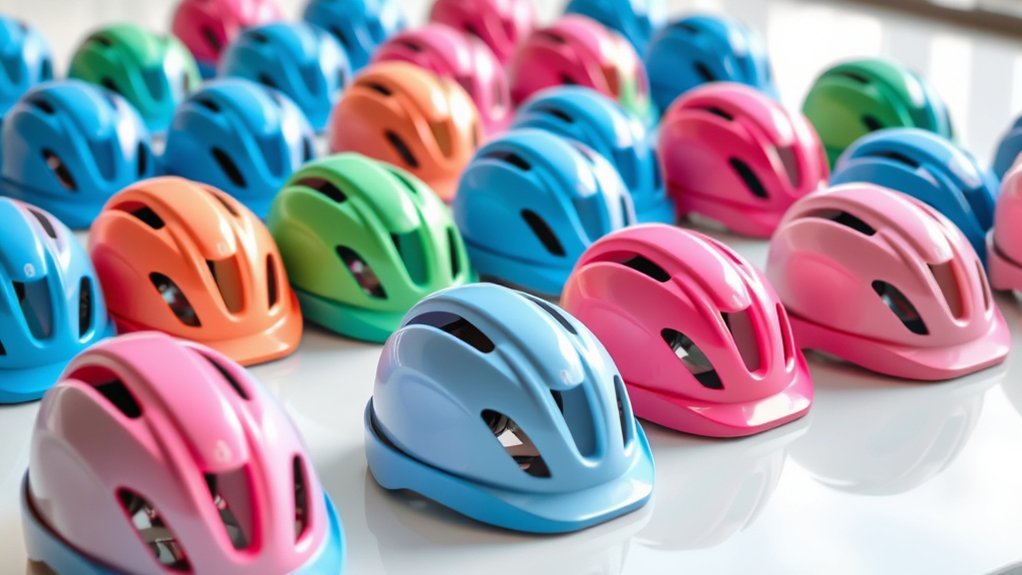
If you’re considering a baby helmet for your child, you probably have many questions about how they work and what to expect. These specialized devices are designed to support healthy skull growth in infants with certain conditions. It’s important to understand when to start using one and how long your baby might need to wear it. Let’s explore the essential details to help you make an informed decision for your little one.
What Are Baby Helmets and How Do They Work?
Baby helmets, often referred to as cranial orthoses, are specialized devices designed to gently shape a baby’s head as they grow. These helmets work by applying gentle pressure to specific areas of the skull, encouraging more uniform growth.
When your baby wears the helmet, it creates an ideal environment for head development, particularly if there’s a concern about flat spots or asymmetry.
Typically, a pediatrician or specialist assesses your baby’s needs and prescribes a custom-fitted helmet. This guarantees it fits snugly and comfortably, allowing for daily wear without causing distress.
It’s essential to follow your healthcare provider’s guidance on the duration and frequency of use to achieve the best results while securing your baby’s comfort and safety throughout the process.
When Should My Baby Wear a Helmet?
When should you consider having your baby wear a helmet? If your child shows signs of positional plagiocephaly, or flat head syndrome, a helmet can be beneficial. This condition often arises from spending too much time in one position, particularly during infancy.
You should also consult with a pediatrician if you notice any asymmetry in your baby’s head shape or if they’ve developmental delays. Helmets are typically recommended between 4 to 6 months of age but can be effective up to 18 months.
Early intervention is essential, as it can help guide proper head shape development and prevent further complications. Your pediatrician will assess your baby’s individual needs and recommend a course of action tailored to their specific situation.
How Long Will My Baby Need to Wear the Helmet?
How long your child will need to wear the helmet largely depends on the severity of their condition and how well they respond to treatment. Typically, babies wear the helmet for about 3 to 6 months, but this can vary.
Your healthcare provider will monitor your child’s progress through regular follow-ups, adjusting the treatment plan as necessary. It’s important to follow their recommendations closely. Some infants may require a longer duration, while others may see improvement more quickly.
Throughout this process, stay engaged with your child’s care. Remember, your emotional support plays a crucial role in their journey.
If you have concerns about the length of treatment, don’t hesitate to discuss them with your pediatrician. They’re there to help you.
Are Baby Helmets Safe for My Child?
Wearing a helmet can understandably raise questions about safety. You want to guarantee that your child is protected without compromising comfort.
Baby helmets are designed with safety in mind, and they undergo rigorous testing to verify they provide adequate support. Here are three key points to reflect on:
Baby helmets prioritize safety and undergo thorough testing to ensure they offer the necessary support for your child’s development.
- Material Safety: The materials used are non-toxic and hypoallergenic, minimizing any risk of skin irritation.
- Regulated Design: Helmets are custom-fitted to your child, guaranteeing they’re secure yet comfortable, allowing for proper growth.
- Expert Endorsement: Pediatricians often recommend these helmets for conditions like positional plagiocephaly, affirming their safety and effectiveness.
How Do I Care for My Baby’s Helmet?
Caring for your baby’s helmet is essential to guarantee its effectiveness and hygiene. Start by cleaning the helmet daily. Use a mild soap and warm water to wipe down the exterior, then rinse thoroughly. Avoid using abrasive materials that could damage the surface.
For the interior, check for moisture or odor; if present, use a soft cloth to dry it and spray with a gentle disinfectant. Make certain to remove any padding or liners as directed by your healthcare provider, and wash them separately if possible.
Always store the helmet in a cool, dry place when not in use. Regular maintenance will guarantee your baby’s helmet remains comfortable and effective throughout the treatment period.
Frequently Asked Questions
Can Baby Helmets Correct Existing Flat Head Syndrome?
Yes, baby helmets can correct existing flat head syndrome. They provide gentle pressure on the skull, promoting natural reshaping. However, early intervention is vital for ideal results, so consulting a specialist is essential.
Are There Different Types of Baby Helmets?
Yes, there are different types of baby helmets, like various tools in a toolbox. Each helmet serves a specific purpose, tailored to your baby’s needs to effectively address issues like flat head syndrome and promote healthy head shape.
How Much Do Baby Helmets Typically Cost?
Baby helmets typically cost between $200 and $500, depending on the brand and customization. It’s crucial to consult your pediatrician for recommendations and guarantee you’re getting the right fit and quality for your child.
Will My Baby Experience Discomfort Wearing a Helmet?
Your baby might experience some initial discomfort wearing a helmet, but most adjust quickly. Regular monitoring guarantees it fits properly, reducing pressure points. Consult your pediatrician if you notice persistent discomfort or any concerns.
Can My Baby Wear the Helmet While Sleeping?
Yes, your baby can wear the helmet while sleeping, but it’s crucial to follow your doctor’s guidance. Monitor for any signs of discomfort, and guarantee the helmet fits properly to promote safe sleep.
Conclusion
In the journey of your baby’s growth, a helmet can be a guiding star, gently steering their skull toward a healthier shape. While the prospect of wearing one may feel intimidating, rest assured that these devices are safe and effective allies in their development. By following care instructions and monitoring your child’s progress, you’re not just supporting their physical health; you’re nurturing their confidence and well-being. Embrace this phase with patience, knowing brighter days are ahead.