Disclosure: As an Amazon Associate, we earn from qualifying purchases. If you click a link on this page and make a purchase, we may receive a small commission at no extra cost to you.
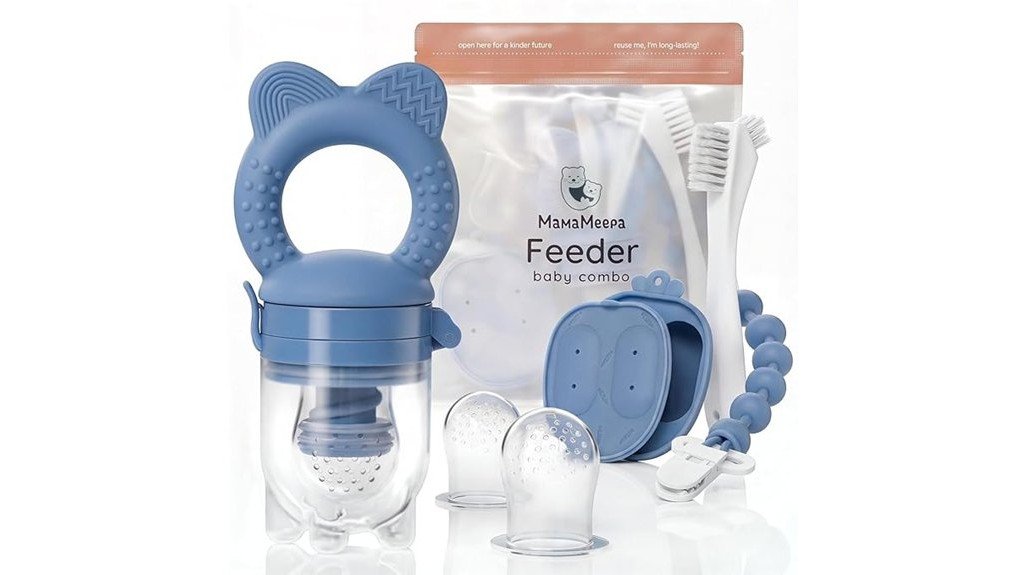
Starting solids can feel exciting, but it also brings real safety questions about choking, mess, cleaning, and whether your baby is ready. The Baby Fruit Feeder & Popsicle Molds Set is made for babies exploring soft foods, teething snacks, and baby-led weaning under close adult supervision. The feeder helps limit access to large food pieces, while the molds turn smooth purees, breastmilk, or juice into small frozen treats. It is a practical set for early feeding, but it still needs correct setup, careful cleaning, and age-appropriate foods every time you use it.
Quick Verdict
Rating: Recommended with caveats
Best For: Parents introducing soft fruits, purees, and frozen teething snacks to babies around 6 to 12 months old.
Bottom Line: This set is useful if you want a controlled way to offer soft food and small frozen snacks during supervised feeding. It is not a hands-off feeding tool, and it needs careful cleaning after every use.
Key Takeaways
- The set is best for babies around 6 to 12 months old who are ready for solids.
- The feeder helps reduce choking risk by limiting access to small food pieces, but it does not remove the need for supervision.
- The popsicle molds can turn breastmilk, juice, or smooth puree into small frozen snacks for teething relief.
- The article-supported material detail is BPA-free, food-grade silicone.
- Regular disassembly, washing, brushing, and complete air-drying are needed to reduce residue buildup.
- It is most useful for soft fruit, vegetables, and smooth purees, not hard chunks or unsupervised snacking.
| Specification | Detail |
|---|---|
| Product type | Baby fruit feeder and popsicle molds set |
| Best age range | Babies around 6 to 12 months old, once ready for solids |
| Design | Pacifier-style feeder pouch plus small frozen snack molds |
| Material | BPA-free, food-grade silicone, based on the article details |
| Food compatibility | Soft fruits, soft vegetables, smooth purees, breastmilk, and juice |
| Main use | Supervised self-feeding practice, teething snacks, and baby-led weaning support |
| Safety note | Use only with close adult supervision and age-appropriate textures |
| Cleaning note | Disassemble, rinse, brush with gentle soap, and air-dry fully after each use |
| Best for | Parents who want controlled feeding practice with soft foods and small frozen snacks |
What Is the Baby Fruit Feeder and Popsicle Molds Set?
The Baby Fruit Feeder & Popsicle Molds Set combines two early-feeding tools in one product: a silicone feeder for soft foods and molds for making small frozen snacks. The feeder uses a pacifier-style pouch that holds food inside, so your baby can chew, suck, and taste without getting direct access to larger pieces.
The popsicle molds are designed for smooth liquids or purees that freeze into small snacks. Parents often use this type of mold for breastmilk, fruit puree, or diluted juice when they want a cold option for sore gums. The set fits best during the early solids stage, when your baby is practicing hand-to-mouth movement and learning new flavors.
This is not a replacement for safe feeding habits. You still need to choose soft textures, check the feeder before use, stay close while your baby eats, and clean every part well afterward.
Before You Buy: This set is only practical if you are ready to supervise every feeding session and clean the small parts carefully. It should not be used for hard chunks, whole grapes, nuts, raw apple pieces, or any food that does not mash or dissolve easily.
Is This Baby Fruit Feeder Safe?
Yes, when used as intended, the baby fruit feeder is designed with safety in mind for infants who are ready for solids. The article-supported age range is 6 to 12 months, but readiness matters more than age alone. Your baby should be able to sit with support, show interest in food, and handle soft textures safely.
Its main safety feature is the pacifier-style pouch. This design limits how much food reaches your baby’s mouth at one time, which may help reduce choking risk compared with loose pieces of fruit. The feeder can also support early chewing practice because your baby can mouth the pouch and taste food gradually.
The set is described as using BPA-free, food-grade silicone, which is reassuring for a baby product that touches food and gums. Still, you should inspect the pouch, handle, strap, cap, and mold parts before each use. Replace the product or stop using it if you notice cracks, tears, loose parts, sticky residue, or a lingering odor that does not wash away.
Practical feeding tips include offering soft fruits, steamed vegetables, or smooth purees in small amounts, supervising closely, and cleaning the feeder after each use. These steps help keep feeding controlled, hygienic, and better suited to your baby’s stage.
Food-Safe Materials and Baby Safety Notes
Because this product touches food and a baby’s mouth, material safety matters. The article describes the feeder and molds as BPA-free and made from food-grade silicone. That makes the set more suitable for repeated contact with purees, soft fruit, and frozen snacks than products made from unknown materials.
For safer use, wash all parts before first use and after every feeding session. Avoid sharp tools, harsh cleaners, and abrasive scrubbers that could damage the silicone. If the manufacturer’s care instructions confirm dishwasher use, place silicone parts on the top rack and let them dry fully before storage.
Do not use the feeder as a teether without food unless the instructions allow it. Do not let your baby sleep, crawl around, or ride in a car seat with the feeder in their mouth. A baby fruit feeder is a supervised feeding tool, not a pacifier or an unsupervised toy.
How the Baby Popsicle Molds Work
The baby popsicle molds work by turning breastmilk, juice, or smooth purees into small frozen snacks sized for easy feeding. Each mold shapes liquid into a compact form that is simple for a caregiver to offer and easier for a baby to explore slowly.
This design can preserve simple popsicle nutrition from familiar ingredients and provide feeding benefits such as soothing gums and offering a calm way to explore flavors. For best results, the mixture should be smooth before freezing. Thick chunks can freeze into hard pieces, which is not ideal for young babies.
For safety, the snack should be fully frozen, served in a controlled setting, and offered only under close supervision. Cold snacks can melt quickly, so keep a bib or cloth nearby and watch for pieces that break off.
How to Set Up the Feeder
Before first use, all parts should be washed with warm soapy water or placed in the dishwasher if the manufacturer confirms they are dishwasher safe. After washing, let every part dry completely before adding food.
Next, attach the silicone handle firmly to the feeder body and secure the safety strap if one is included. Check that the cap closes properly before handing the feeder to your baby.
Place a small amount of soft fruit, steamed vegetable, or puree inside the pouch, then lock the cap until it clicks. This setup limits large bites and supports safe self-feeding practice. Good starter foods may include ripe banana, soft pear, steamed carrot puree, or smooth fruit puree, depending on your baby’s readiness and your pediatrician’s guidance.
Pro Tip: Start with a small amount of food inside the feeder. Overfilling can make the pouch harder to close, messier to clean, and less comfortable for a baby who is still learning how to mouth and chew.
How to Clean the Feeder and Molds
After each use, the feeder and popsicle molds should be taken apart so residue does not remain trapped in seams, pouches, lids, or corners. This step matters because fruit pulp, milk, and puree can dry into small spaces and become harder to remove later.
Rinse immediately with warm water, then use the included brush and gentle soap to reach mesh-style areas, lids, and tight spots. These cleaning techniques help reduce buildup and support safer future use.
If needed, place the silicone parts on the top dishwasher rack, but only if the care guidance allows it. Allow every component to air-dry completely before reassembly to prevent trapped moisture.
Regular maintenance tips include checking for wear, cracks, tears, sticky texture, or lingering odor. If a part looks damaged or no longer cleans well, stop using it and replace it if compatible replacement parts are available.
Who Should Buy This Fruit Feeder Set
This fruit feeder set is best suited for families with babies around 6 to 12 months old who are beginning to explore solids and need a more controlled way to practice self-feeding.
It suits baby-led weaning households that want controlled bites and healthy snacks without handing over loose pieces that may be too large. It can also help caregivers introduce flavors in a slower, more manageable way.
Best For
- Babies who are ready for solids and need soft, controlled food exposure.
- Parents using baby-led weaning with soft fruits, steamed vegetables, or purees.
- Families who want small frozen snacks for supervised teething relief.
Skip If
- Your baby is not ready for solids yet or cannot sit safely with support.
- You want a snack tool your baby can use without close adult supervision.
- You prefer products with larger portions for older toddlers who already handle normal textures.
- Tiny fruit pieces in a silicone nibbler
- Frozen breastmilk pops for soothing gums
- Secure handle for small hands
- Safety strap for travel and home use
- Dishwasher-safe parts if confirmed by the product care guidance
Caregivers who value independence, hygiene, and calm feeding routines will find it practical. It is less useful for older toddlers who are ready for larger textures and normal finger foods.
Ease of Use
The feeder is simple in concept: open it, add soft food, lock it, and supervise your baby while they explore. The handle gives small hands a place to grip, which can support early independence during feeding practice.
The biggest ease-of-use benefit is portion control. Instead of handing your baby a slippery piece of fruit, you can place a small amount inside the pouch and let them taste it slowly. This can make snack time calmer for parents who worry about large bites.
The tradeoff is cleanup. Silicone feeders and small molds can hold residue in seams and corners, so they need more attention than a basic spoon or bowl.
Comfort and Baby-Led Weaning Support
For babies who are learning to mouth, chew, and taste, the soft silicone design can feel easier than hard utensils. A feeder can also slow down eating because food comes through the pouch gradually.
For baby-led weaning, the set gives your baby some independence while still letting you control texture and portion size. You can use soft foods that mash easily, then adjust as your baby becomes more confident with solids.
Still, it should not replace normal feeding skill development. As your baby grows, they will need chances to practice safe finger foods, spoon feeding, and different textures when developmentally ready.
How It Performs in Real Use
For First Solid Food Practice
The feeder can help you introduce soft fruit or puree without giving your baby full access to loose pieces. This is useful when you want your baby to taste food, practice chewing, and explore flavor at a slower pace.
For Teething Snacks
The popsicle molds are useful for small frozen snacks made from breastmilk, juice, or smooth puree. Cold snacks may feel soothing on gums, but they should be offered slowly and watched closely because frozen food can melt or break down as your baby mouths it.
For Travel or Grandparents’ House
The feeder may be helpful for short trips, visits, or feeding outside your normal routine because it gives caregivers a controlled way to offer soft snacks. Pack it clean and dry, and bring a small bag or container for used parts after feeding.
For Daily Use
For everyday feeding, the set works best as an occasional helper, not the only way your baby eats. It can reduce mess compared with loose fruit pieces, but it still needs immediate cleaning and full drying after each use.
Common Mistakes to Avoid
One common mistake is using food that is too hard. Avoid raw apple chunks, frozen hard fruit chunks, nuts, grapes, and anything that does not mash easily. The feeder is designed for soft textures and smooth mixtures.
Another mistake is leaving food residue inside the pouch or mold. Milk, juice, and fruit puree can stick in corners, so quick rinsing is not always enough. Disassemble the parts and use the brush where needed.
A third mistake is treating the feeder like a pacifier. Your baby should use it only during supervised feeding, while sitting safely and with an adult nearby.
Pros and Cons
Pros
- Helps limit access to large food pieces during supervised feeding.
- Useful for soft fruits, smooth purees, and small frozen snacks.
- BPA-free, food-grade silicone is suitable for food-contact use based on the article details.
- Handle design can support small hands during early self-feeding practice.
- Popsicle molds add value for teething snacks and flavor exploration.
Cons
- Not safe for unsupervised use.
- Requires careful cleaning because residue can collect in small parts.
- Less useful once your toddler is ready for larger, normal food textures.
Is It Worth the Price?
The Baby Fruit Feeder & Popsicle Molds Set looks like a strong value for the price if you will use both parts of the set. You get a feeding tool for soft foods and molds for frozen snacks, which can be useful during the same early solids stage.
It is a smart buy for everyday use if your baby is starting solids, teething, and practicing self-feeding with close supervision. Parents who want controlled fruit feeding and simple frozen snack prep may get the most value from it.
It is not the best fit if you want a product that needs almost no cleaning or if your child has already moved beyond soft starter foods. For older toddlers, a regular snack cup or normal finger foods may be more useful.
How It Compares to Alternatives
Compared with a regular spoon, this feeder gives your baby more self-feeding control while limiting direct access to bigger pieces. Compared with loose finger foods, it can feel more controlled for soft fruit and puree exploration.
Compared with a basic teether, the popsicle molds add the option to use familiar ingredients like breastmilk or smooth puree. The Baby Fruit Feeder & Popsicle Molds Set makes the most sense if you want one set for both soft food practice and supervised frozen snacks.
Frequently Asked Questions
Can I use frozen fruit in the feeder?
Yes, but it should be softened, mashed, or blended into a safe texture first. Avoid hard frozen chunks because they can be difficult for a young baby to manage safely.
What age can start using the popsicle molds?
The article-supported starting point is about 6 months, once your baby shows readiness for solids. Use smooth ingredients and supervise closely to reduce choking and mess risks.
Does the silicone handle fit small baby hands?
Likely yes, because the handle is described as made for easy baby handling. Still, you should watch how your baby grips it and stop use if the feeder feels too large, loose, or awkward.
Are replacement feeder mesh pieces available separately?
Replacement feeder pieces are sometimes sold separately, but availability depends on the seller and product design. Check compatibility before buying replacements, and use only food-grade parts that fit securely.
Can I put the molds in the freezer overnight?
Yes, the molds can be left in the freezer overnight. Fill them carefully, secure the lids if included, and use smooth mixtures so the frozen snack has a more even texture.
What foods work best in the baby fruit feeder?
Soft foods work best, such as ripe banana, soft pear, steamed vegetables, or smooth puree. Avoid hard, sticky, round, or tough foods that may not mash easily.
Is this feeder a replacement for normal meals?
No, it is better used as a feeding helper for small amounts of soft food. Your baby still needs age-appropriate meals, textures, and feeding guidance from your pediatrician or care provider when needed.
Who should skip this fruit feeder set?
Skip it if your baby is not ready for solids, if you cannot supervise feeding closely, or if you want a tool for older toddlers eating larger textures. It is also not ideal if you dislike cleaning small feeding parts after each use.
The Bottom Line
The Baby Fruit Feeder & Popsicle Molds Set is a practical choice for parents introducing solids to babies around 6 to 12 months old. Its main strength is controlled soft-food and frozen-snack feeding, while its main limitation is the need for constant supervision and careful cleaning.
Buy it if you want a simple tool for baby-led weaning practice, teething snacks, and soft food exploration. Skip it if your baby is not ready for solids or if you need a no-cleanup feeding solution.