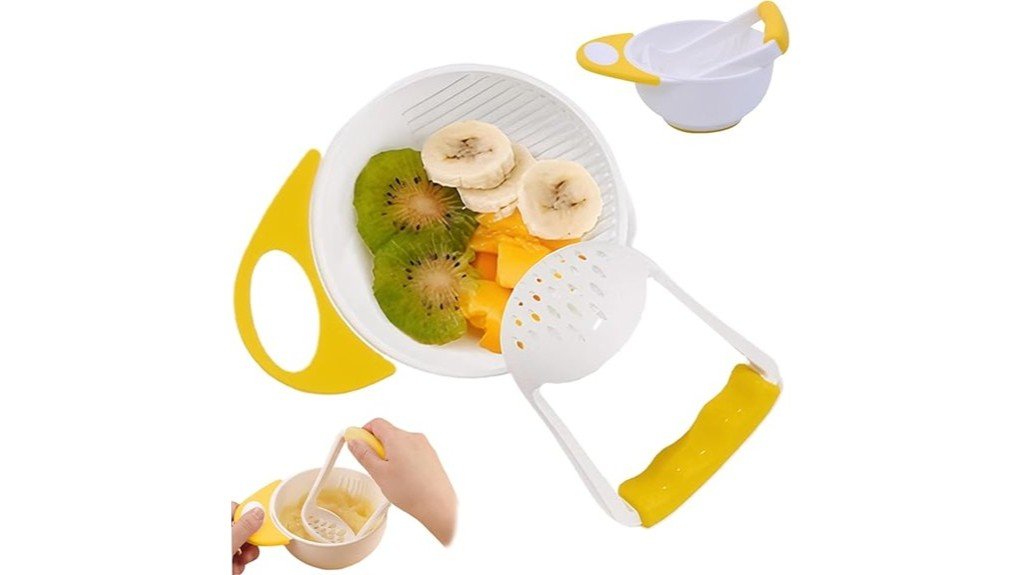
A baby food maker can be a practical addition for new parents, especially when safety, consistency, and time matter. Food-grade materials and a stable design support routine use with less concern. It also simplifies batch preparation and helps produce smooth purees that are easier for infants to manage. The question is whether these features justify the purchase for every household, or only for those with specific feeding needs.
Key Takeaways
- A baby food maker helps new parents prepare safer, homemade meals quickly and consistently.
- Food-grade materials, stable bases, and heat-resistant handles improve safety during use.
- Larger bowl capacity lets caregivers make multiple servings and save time.
- Smooth purees reduce choking risks and make foods easier for infants to accept.
- Easy cleaning and user-friendly design lower stress for busy new parents.
Why a Baby Food Maker Is Worth Buying?
A baby food maker is worth buying because it supports safer, more efficient home preparation of infant meals.
It can improve cost effectiveness by reducing reliance on repeated store purchases and enabling batch preparation from ordinary ingredients.
The user experience is typically straightforward, with a stable base, ergonomic masher, and bowl design that helps produce a smooth texture with less effort.
A stable base and ergonomic masher make baby food preparation smoother, easier, and less effort-intensive.
This can free caregivers from unnecessary dependence on processed options and support more autonomous feeding routines.
For new parents, the device offers practical time savings, consistent results, and a more controlled approach to early nutrition, without adding complexity.
Baby Food Maker Safety and Materials
Safety and material quality are central to the value of a baby food maker, especially when preparing meals for infants with sensitive digestive needs. Reliable models are built from food-grade PP and TPE, materials selected for low reactivity and dependable material durability.
Compliance with recognized safety standards helps reduce concerns about unwanted exposure during food preparation. Non-slip bases and heat-resistant handles support controlled use, while simple surfaces aid hygienic cleaning, including boiling-water sanitation.
These features give caregivers practical confidence and greater freedom to prepare infant foods independently, without unnecessary compromise on safety, cleanliness, or daily convenience.
How It Makes Batch Prep Easier
Batch preparation is made more efficient by the bowl’s larger size, which supports mixing and mashing multiple servings at once. This helps batch cooking by reducing repeated steps and preserving time management for caregivers seeking practical routines.
| Feature | Benefit |
|---|---|
| Large bowl | More food processed per cycle |
| Stable base | Controlled handling during prep |
| Ergonomic masher | Less effort during repeated use |
Clinical use suggests fewer interruptions, steadier workflow, and easier planning across meals. For new parents, this design can support a more liberated approach to daily feeding tasks, with preparation organized, efficient, and dependable.
Why Smooth Texture Matters for Baby Food
When baby food is blended to a smooth, consistent texture, it is generally easier for infants to swallow and may reduce the need for excessive chewing effort. This texture importance is central to reducing feeding challenges during early development, when oral coordination is still maturing.
- Smooth puree supports safer swallowing.
- Consistency helps infants accept unfamiliar foods.
- Reduced lumps may lower gagging risk.
- Reliable texture can calm mealtime stress.
A clinical approach to preparation helps caregivers offer nourishment with confidence and autonomy.
In practical terms, smoothness supports comfort, consistency, and liberated feeding routines for families.
Is This Baby Food Maker Right for New Parents?
A baby food maker that produces a smooth, consistent texture may be a practical fit for new parents seeking a simpler feeding routine. Evidence suggests its time saving benefits support reduced meal-prep burden, while a user friendly design may lessen setup stress. The food-grade materials, heat-resistant handle, and stable base improve safety. Batch capacity supports efficient preparation.
| Feature | Effect |
|---|---|
| Smooth texture | Easier swallowing |
| Boiling-water cleaning | Hygienic use |
| Large bowl | Batch prep |
| Ergonomic masher | Efficient mashing |
For caregivers wanting liberation from complex routines, this tool offers a controlled, reassuring method for preparing nutritious food, though basic cleaning and supervision remain necessary.
Frequently Asked Questions
How Long Does It Take to Make a Batch of Baby Food?
A batch of baby food typically takes 15–30 minutes, depending on prep time, cooking methods, and ingredient softness. The device’s large bowl supports efficient batching, helping caregivers prepare smooth, safe meals with minimal effort.
Is the Baby Food Maker Dishwasher Safe?
Dishwasher safety is not confirmed; boiling-water sanitizing appears supported instead. Clinical cleaning tips favor gentle washing, then sterilizing. The maker’s sturdy materials suggest practical resilience, yet an evidence-based approach recommends verifying the manufacturer’s guidance before dishwashing.
Can It Handle Fruits, Vegetables, and Cooked Meats?
Yes, it can handle fruits, vegetables, and cooked meats, supporting fruit preparation and meat blending with a smooth, consistent texture. Food-grade materials and a stable, heat-resistant design make it reliable, safe, and reassuring.
Does It Come in Different Colors or Sizes?
It appears that color options and size variations are not specified. The bowl is described as approximately 15x6cm, suggesting one practical size. Evidence remains limited, though the design seems sturdy, hygienic, and reassuringly versatile.
What Accessories Are Included With the Baby Food Maker?
It includes an ergonomic masher, a heat-resistant handle, and a non-slip base. Accessory benefits include safer handling and smoother mashing. Preparation tips suggest boiling-water sanitation before use, supporting hygienic, efficient baby food preparation.
Conclusion
In conclusion, a baby food maker offers a practical, evidence-based advantage for new parents: safer materials, steadier preparation, and smoother purees that support early feeding. Its batch capacity can reduce daily meal-prep time, making routines more manageable during busy weeks. In one common use case, preparing multiple servings at once can cut repeated kitchen tasks by nearly half, creating a calmer, more efficient feeding environment. For caregivers seeking convenience and consistency, it is a reassuring choice.