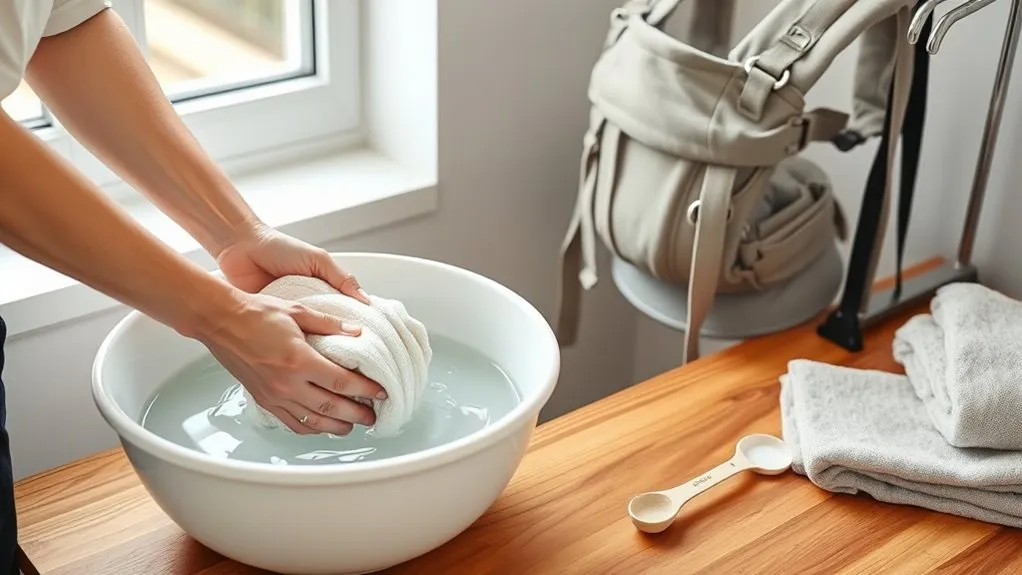
To clean baby carrier wraps and carriers safely, start with the care label, then match the wash method to the fabric. Most wraps do best with a gentle cycle, cold or lukewarm water, and a mild detergent without optical brighteners. Skip bleach and fabric softener, wash new wraps separately, treat stains quickly, and air dry whenever possible. The right routine helps protect softness, support, color, and everyday babywearing safety.
Quick Answer
Wash baby carrier wraps on a gentle cycle with cold or lukewarm water and mild detergent, unless the care label says otherwise. Avoid bleach, fabric softener, harsh stain removers, and high heat. Air dry flat or hang indoors, then inspect seams, rings, stitching, and weight-bearing areas before using again.
Key Takeaways
- Always follow the carrier’s care label first because fabric blends and structured parts can change the safest wash method.
- Use a gentle detergent without optical brighteners, bleach, or fabric softener to help protect support and skin comfort.
- Prewash new wraps separately to remove excess dye, reduce color transfer, and check for weak seams or fabric flaws.
- Air drying is usually safest, while low tumble drying should only be used when the label allows it.
- Check seams, stitching, rings, buckles, and weight-bearing areas after washing so you can spot damage before the next carry.
At a Glance
| Time Required | 10 to 20 minutes of active cleaning time, plus drying time |
| Difficulty | Easy, but fabric type matters |
| Tools Needed | Mild detergent, soft cloth, mesh bag or pillowcase, drying rack, clean towels |
| Cost | Usually no extra cost if you already have mild detergent |
How to Wash Baby Carrier Wraps
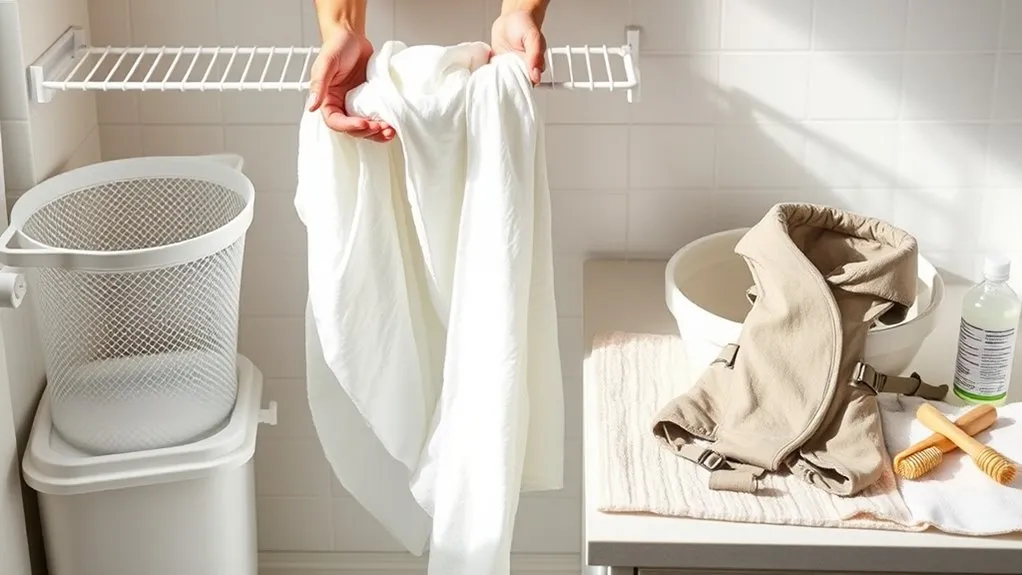
To keep your baby carrier wraps safe and long-lasting, wash them on a gentle cycle with cold water and a wrap-safe detergent unless the care label gives different instructions.
Choose detergent that is free from harsh additives, optical brighteners, bleach, and fabric softener. This helps protect fabric integrity, skin comfort, and the support your carrier needs to hold its shape.
Choose a gentle detergent and follow your wrap’s label closely to protect fabric, support, and softness.
If your wrap blends cotton, linen, hemp, bamboo, wool, silk, or another specialty fiber, follow the care label closely. Some wraps can handle machine washing, while others need hand washing, a lower temperature, or flat drying.
Wash new wraps separately, then check that the rinse water runs clear before using them with other laundry. Don’t overload the machine, because your wrap needs room to move, clean, and rinse fully.
After washing, air dry indoors or use low heat only if the label allows it. This approach keeps you in control and helps your wrap stay safe, strong, and ready for everyday use.
Inspect weight-bearing areas, seams, rings, buckles, straps, and stitching after every wash. Retire the wrap or carrier if you notice holes, torn fabric, loose stitching, cracked buckles, or damage that could affect support.
Warning: Never use a baby carrier that has torn fabric, damaged stitching, cracked buckles, weakened rings, or stretched-out weight-bearing areas. Cleaning can reveal damage, but it cannot make an unsafe carrier safe again.
Find the Right Wash Method
Start with the care label, because it tells you the safest wash method for your specific carrier fabric and construction. This matters for wraps, ring slings, meh dais, soft structured carriers, and carriers with foam, buckles, or padding.
If the label allows machine washing, choose a cold or warm delicate cycle and keep the load light. Your wrap needs room to rinse clean, and too much friction can cause pilling, fading, or snags.
Use a gentle detergent free of optical brighteners. Skip fabric softeners because they can coat fibers and reduce grip, which matters for wraps that need texture and support.
Some carriers can be machine washed and dried, but many wraps do better with air drying. Hang sturdy cotton or linen wraps indoors, lay wool flat, and keep silk away from direct heat and sunlight.
After the first wash, inspect seams, rings, buckles, straps, and high-stress areas for wear or holes. That quick check helps you catch problems early before the next carry.
How to Prewash a New Baby Wrap
Prewashing matters because it helps remove excess dye, prevents color bleeding, softens some fabrics, and clears away manufacturing residue before the wrap touches your baby’s clothing or skin.
For the first wash, wash the wrap separately on a delicate cycle with a gentle liquid detergent. Use the recommended temperature for the fabric, and make sure the machine is not overloaded so the wrap rinses well.
After washing, check that the water runs clear. Then hang the wrap indoors to dry away from direct sunlight so it will not fade, stiffen, or weaken from heat exposure.
Why Prewashing Matters
Even a brand-new baby wrap benefits from a careful prewash, because washing it first removes excess dye, helps prevent color bleeding, and begins softening the fibers for a more comfortable fit.
Prewashing also gives you a chance to inspect the whole carrier before use. Look for weak seams, loose threads, rough spots, fabric flaws, or anything that could affect safety.
Choose a gentle liquid detergent without optical brighteners, and keep the wrap separate from other laundry to avoid dye transfer. This simple step supports hygiene, fabric performance, and everyday babywearing confidence.
After spills, spit-up, drool, or outdoor use, freshening it again helps keep the carrier clean, durable, and dependable.
First Wash Steps
Before you use a new baby wrap, wash it separately so excess dye can rinse out and you can confirm the water runs clear.
| Step | What you do |
|---|---|
| 1 | Check the care label for fiber-specific instructions. |
| 2 | Use a gentle liquid detergent without optical brighteners. |
| 3 | Machine wash on a delicate cycle in cold or warm water; wool blends may need 30°C or hand washing. |
| 4 | Skip fabric softener, bleach, and harsh stain removers. |
| 5 | Wash alone or inside a mesh bag if the brand recommends it. |
This first wash helps protect skin, fabric, and comfort. Keep care simple: choose a gentle cycle, follow brand guidance, and rinse until the water clears. Then your wrap is ready for daily use with the right balance of support and softness.
Drying After Prewash
Once your prewash is done, dry the wrap indoors by laying it flat, draping it evenly over a rack, or hanging it in a way that spreads the weight across the fabric.
Let the fabric drip dry with even weight distribution so it does not stretch or twist. Keep it away from direct heat and sunlight, which can weaken fibers, fade colors, and distort fit.
If you must tumble dry low, use a delicate setting only when the label allows it. Remove the wrap promptly while it is still slightly damp, then finish air drying.
For wool, silk, or blended wraps, follow the manufacturer’s drying instructions exactly, since these materials can shrink, felt, wrinkle, or lose strength if dried too aggressively.
Before you store it, check that every layer is completely dry. Damp fibers can invite musty odors, mold, or mildew.
Careful drying protects your wrap, your baby, and your ability to wear it comfortably.
Wash Cotton, Linen, Hemp, and Bamboo Wraps
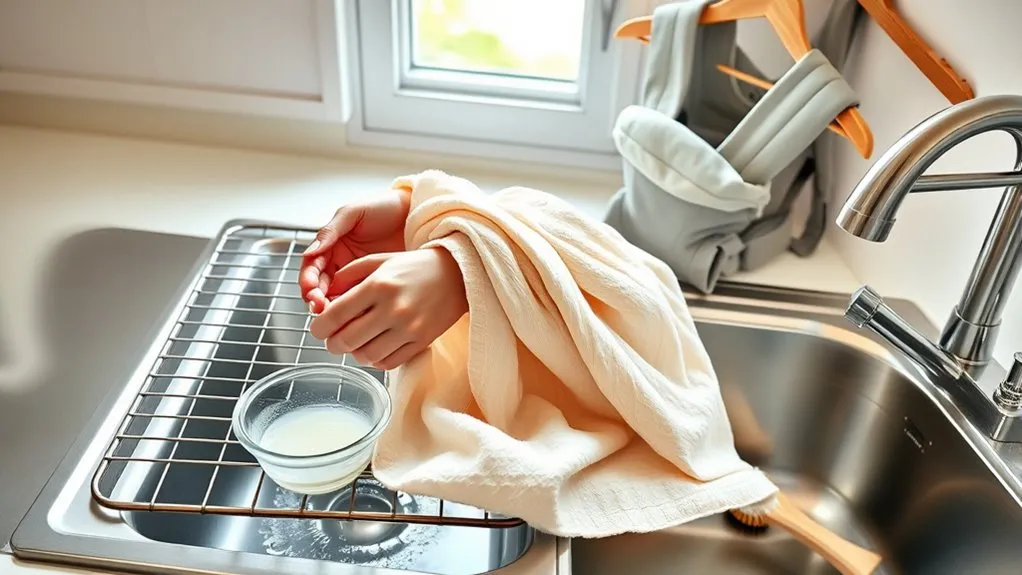
For cotton wraps, wash on a cold gentle cycle, then tumble dry low only if the label allows it, or hang dry so the wrap keeps its shape longer.
Treat linen much like cotton, but expect it to wrinkle. Steam ironing while it is still slightly damp can soften the fibers and make the wrap easier to tighten.
Hemp is usually strong and durable, but it can feel stiff at first. Use warm water only if the care label allows it, and choose low heat or air drying to protect the weave.
For bamboo wraps, stick to a cold gentle cycle, avoid long soaking, and use a gentle liquid detergent without optical brighteners.
Cotton Wrap Washing
Cotton, linen, hemp, and bamboo wraps each need a gentle wash routine to stay safe, soft, and supportive. For cotton wraps, wash cold on a gentle cycle with a mild detergent, then hang in a well-ventilated area or tumble dry on low if the label allows it.
| Step | Action |
|---|---|
| Wash | Use cold water and gentle agitation |
| Detergent | Choose liquid detergent with no optical brighteners |
| Dry | Air dry or tumble dry on low only if allowed |
| Inspect | Check seams, edges, and high-stress areas after washing |
You’ll protect the fibers and keep the wrap ready for secure carrying. If you’re washing hemp, follow the label for temperature and dry low only when allowed. Bamboo also needs a cold, gentle cycle and should not sit wet for long. Stay consistent, and you’ll preserve comfort, color, and support.
Linen Care Tips
Linen wraps should be washed much like cotton: use a cold, gentle cycle with a mild detergent, and avoid fabric softeners, bleach, and optical brighteners to protect the fibers.
When you wash your carrier, keep the load light so the linen can move freely and clean evenly. Use cold water to reduce stress on delicate fabrics and preserve shape.
After washing, gently shake out wrinkles and hang to air dry, or steam iron while slightly damp to improve softness and release stiffness.
Always avoid using harsh chemicals that can weaken fibers or irritate skin.
With careful linen care, you keep your wrap strong, breathable, and ready for safe, hands-free closeness that supports your baby’s comfort.
Hemp and Bamboo Care
Hemp and bamboo wraps need care that matches their unique fibers, and a few simple habits help them stay soft, safe, and supportive.
You can often wash hemp in warm water on a gentle cycle, but the label should decide the final temperature. For bamboo, use cold water, a gentle cycle, and avoid soaking or leaving it wet for a long time.
Choose a gentle liquid detergent without optical brighteners to protect both fabrics. After washing, hang drying or flat drying is usually best because it preserves shape and reduces wear.
If you’re short on time, low tumble drying may be acceptable only if the label allows it. Regular washing keeps your wrap clean, soft, and ready to support daily use.
Pro Tip: Fasten buckles, close hook-and-loop tabs, and place carriers with straps or rings inside a mesh laundry bag before machine washing. This helps prevent twisting, snags, and damage to both the carrier and your washing machine.
Care for Wool, Silk, and Blends Safely
When you’re caring for wool, silk, or blended baby carrier fabrics, check the care tag first, since different blends can have unique washing requirements.
For wool blends, follow the washing instructions closely: use lukewarm water, a wool-specific detergent, and gentle hand washing when the label recommends it. Then lay flat to dry so the fabric keeps its shape and does not felt.
For wool blends, wash gently in lukewarm water, use wool detergent, and lay flat to dry to help prevent felting.
For silk blends, wash at 30°C or below if the label allows washing. Skip hot water, spin drying, and tumble drying. After washing silk wraps, roll them in clean towels to press out moisture, never wring them.
Keep damp silk out of direct sunlight, because heat can weaken the finish and dull the fabric.
If you treat each carrier with care, you’ll preserve comfort, strength, and safe babywearing support for longer.
Brand Washing Rules to Know
When you wash a baby carrier, follow the brand label first because care rules can change by fabric, weave, padding, rings, buckles, and construction.
Girasol wraps may allow machine washing at 60°C with possible slight first-wash shrinkage, while Storchenwiege carriers often need a gentle cycle and no fabric softener or dryer.
For Wrapsody Breeze, a pillowcase or mesh bag can help prevent tangling. Lenny Lamb and Natibaby care can vary by fabric, so always check the specific care tag before choosing a temperature.
Brand Label Instructions
Brand labels can save you from avoidable wear, so always check the care tag before washing your wrap. When you wash your wrap, follow the maker’s rules to protect your carrier and keep it supportive.
- Girasol: Some wraps allow machine washing at 60°C; expect slight shrinkage after the first wash.
- Storchenwiege: Use a gentle cycle, and skip fabric softeners and dryers when the care label says so.
- Wrapsody Breeze: Place it in a pillowcase or mesh bag to help prevent tangling in the machine wash.
Natibaby may call for 30°C to 60°C depending on the fabric, and Lenny Lamb varies by material too.
Read the care label each time, because the right setting keeps your carrier safe, clean, and ready for the next carry.
Fiber-Specific Brand Care
Different wraps need different care, so match the wash setting to the brand and fabric before you toss it in the machine. Check every tag; that is your best guide for wash and care, especially with fabric blends and structured carriers.
| Brand | Care | Note |
|---|---|---|
| Girasol | Machine wash if label allows | Some wraps allow 60°C; expect slight first-wash shrinkage |
| Storchenwiege | Gentle cycle | Skip softener and dryer when instructed |
| Wrapsody Breeze | Mesh bag or pillowcase | Helps prevent tangling |
| Natibaby | Tag-specific | Washing temperature varies by fabric |
| Lenny Lamb | Tag-specific | Care depends on fiber blend and model |
Lenny Lamb can also need brand-specific handling, so a quick look at the care label is a good idea. When you follow the maker’s instructions, you protect support, fit, and safety without giving up easy babywearing.
Wash Temps by Brand
Now that you’ve checked the care label, match the wash temperature to the brand’s rules so you do not damage the wrap or weaken its support.
For wash temps by brand, use these quick checks for baby carriers:
- DIDYMOS wraps: Some wraps may allow 60°C/140°F on a delicate program with liquid detergent, but always confirm on the care tag.
- Girasol wraps: Some versions may allow machine washing at 60°C; expect slight shrinkage the first time.
- Natibaby and Lenny Lamb: Follow the exact fabric guide because 30°C, 40°C, or 60°C may apply, depending on cotton, linen, wool, silk, or blends.
For Wrapsody Breeze, use a pillowcase or mesh bag to stop tangling. This keeps your carrier supportive and ready for more hands-free freedom.
How to Dry Baby Wraps Without Damage
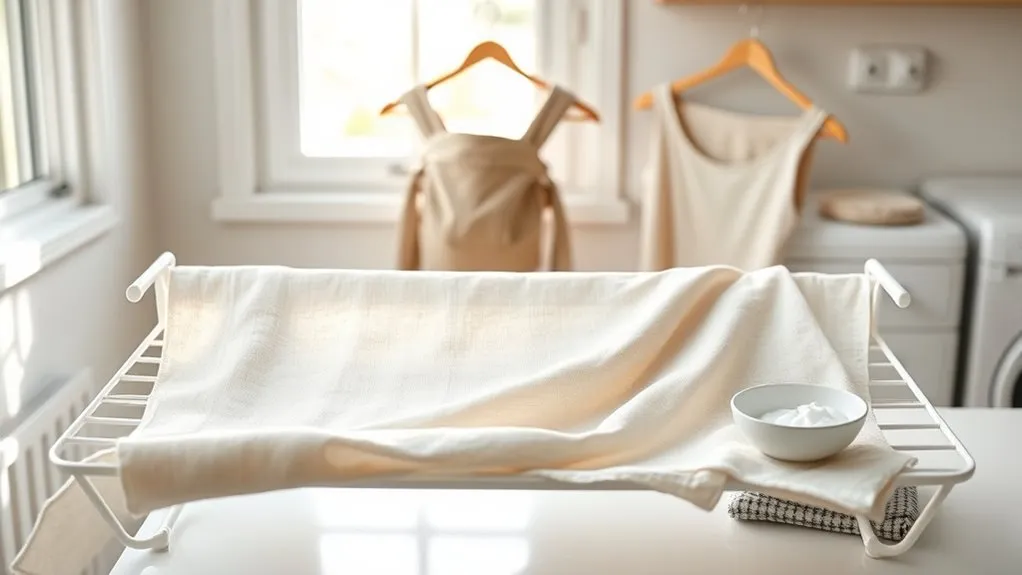
To keep baby wraps in good shape, drip dry them in a way that supports the fabric evenly. After washing, lay your wrap flat or drape it over a clean rack where air can move freely.
Avoid narrow hang points that put all the weight in one place, because gravity can pull fibers unevenly and change the fit. If you need faster results, use tumble drying on low or delicate only when the label allows it.
Remove the carrier while it is still slightly damp and finish air drying. Do not leave it in the dryer longer than needed.
For a final finish, iron on the highest setting safe for your fabric blend if the care label allows ironing. This can restore softness and usability, especially for cotton or linen wraps.
Keep your wrap separate from zippers, hooks, buckles, and sharp hardware during washing and drying so you avoid snags. A damp cloth can help spot-check any remaining residue before you store it.
Prevent Fading, Pilling, and Snags
Keep your wraps looking and feeling their best by washing them gently in cold water on a delicate cycle, which helps reduce fiber wear and preserve the fabric’s shape. These gentle washing techniques help you prevent fading, pilling, and snags while keeping your carrier ready for hands-free use.
- Wash separately: Clean wraps alone or with similar fabrics so friction stays low and pilling does not build up.
- Skip hardware traps: Keep zippers, buttons, hooks, and Velcro out of the load; they can catch threads and create snags.
- Turn down heat: High heat can shrink, weaken, or stiffen some fibers.
- Inspect often: Check weight-bearing areas after each wash so you spot holes or wear before they weaken support.
For long-term color care, dry and store your wraps away from direct sunlight. That simple habit helps prevent fading and keeps the fabric looking vibrant.
With a few careful steps, you protect comfort, safety, and the independence your carrier gives you every day.
How to Remove Stains From Baby Carriers
Even with careful washing, baby carriers can still pick up spills, drool, milk, sunscreen, diaper leaks, and everyday grime. The best approach is to treat stains right away before they set.
First, spot clean the area with a soft cloth dampened with lukewarm water and a small amount of mild detergent. Blot gently instead of rubbing, because rubbing can push the stain deeper and stress the fibers.
For stubborn marks, you can use an enzyme-based stain remover only if the care label and fabric type allow it. Blue Dawn dish soap or a Buncha Farmers stain stick may help with some marks, but test a small hidden area first.
Grease stains need extra care: apply baking soda or baby powder generously, let it sit for several hours, then brush it away and wash with cold water if the label allows washing.
If you’re hand washing, keep the pressure light and focus on the stained fibers, not the whole carrier.
After treatment, rinse with a clean, damp cloth to remove every trace of soap residue, since leftover cleaner can irritate skin or weaken fabric over time.
Note: Avoid chlorine bleach, strong solvents, heavy fragrance, and fabric softener on baby carriers. These can irritate sensitive skin, affect fiber grip, or damage the carrier’s finish.
How Often Should You Wash a Baby Carrier?
You do not need to wash a baby carrier after every use unless it is visibly dirty, wet, stained, or smelly. Overwashing can fade colors, increase pilling, and wear down fibers faster.
For normal everyday use, spot clean small marks and do a full wash only when needed. If your baby spits up often, drools heavily, has a diaper leak, or the carrier gets exposed to sweat, sunscreen, mud, or food, wash it sooner.
Structured carriers may need less frequent full washing because padding, foam, and buckles can take longer to dry. For these, spot cleaning and airing out between uses can help keep them fresh without overworking the fabric.
After every full wash, inspect the carrier carefully before the next use. Cleaning is also a good reminder to check the safety parts you may not notice during a busy day.
Machine Washing vs. Hand Washing
Machine washing is convenient, but hand washing can be safer for delicate fibers, specialty blends, rings, buckles, padding, and carriers with decorative details.
| Method | Best For | Care Tip |
|---|---|---|
| Machine washing | Cotton, some linen, some hemp, and washable structured carriers | Use gentle cycle, cold water, mild detergent, and a mesh bag if needed. |
| Hand washing | Wool, silk, delicate blends, and carriers with sensitive construction | Press gently in lukewarm or cool water and avoid wringing. |
| Spot cleaning | Small stains, drool marks, straps, and quick freshening | Blot with a damp cloth and mild detergent, then rinse away residue. |
If the label does not clearly allow machine washing, choose the gentler method. A few extra minutes of careful cleaning can help the carrier last longer.
How to Store Wraps and Carriers Properly
After each use, store your wraps and carriers in a cool, dry place away from direct sunlight so the fabric does not fade or break down over time.
To keep your wrap or sling ready for the next carry, fold it neatly and store wraps where air can circulate. For longer storage, use a clean breathable bag or a dry container in a low-humidity space.
- Hang it on hooks or in a closet for quick access.
- Keep it away from sharp objects like Velcro, zippers, hooks, and rough baskets.
- Check stored wraps regularly for holes, fraying, stains, odors, or weak seams.
Don’t cram your carrier into a crowded bin; pressure can distort padding, crease fabric, and reduce support.
A clean, organized storage spot helps you carry confidently without last-minute repairs or safety surprises.
If you live in a humid area, add a dry packet nearby, not inside the carrier, to help protect the fibers.
Frequently Asked Questions
How do you wash a baby wrap?
Wash your baby wrap on a gentle, cold cycle with mild detergent, unless the care tag says otherwise. Spot-treat stains first, wash similar fabric types together or wash the wrap alone, then air dry flat or hang indoors with even support.
What should wraps be washed with?
Wash wraps with a gentle liquid detergent that is free from optical brighteners, bleach, and fabric softener. Keep them away from zippers, snaps, hooks, Velcro, and rough fabrics that can cause pilling or snags.
Can I wash a baby carrier in the washing machine?
Yes, you can wash a baby carrier in the washing machine if the care label allows it. Use a gentle cycle, cold or lukewarm water, mild detergent, and a mesh bag if needed. Fasten buckles and straps first to reduce tangling.
Should you wash a baby wrap before using it?
Yes, you should usually wash a new baby wrap before using it. Prewashing helps remove excess dye, softens some fibers, clears away residue, and lets you inspect seams, stitching, and fabric quality before the first carry.
Can I put a baby wrap in the dryer?
Only put a baby wrap in the dryer if the care label says it is safe. Use low heat or a delicate setting, remove it while slightly damp, and finish air drying. Avoid dryer heat for wool, silk, and delicate blends unless the label allows it.
How do I know if my carrier is damaged after washing?
Check for loose stitching, holes, thinning fabric, stretched panels, cracked buckles, bent rings, frayed straps, and weak seams. If any weight-bearing part looks damaged, stop using the carrier until the manufacturer or a qualified babywearing professional confirms it is safe.
Conclusion
Keep your baby carrier clean, and you’ll keep it safer, softer, and more comfortable for every carry. If you’re worried washing will ruin the fabric, remember that most wraps and carriers stay in good shape when you follow the care label, use a gentle detergent, avoid fabric softener, and air dry when needed.
The best routine is simple: spot clean small messes, wash gently when needed, dry with low heat or no heat, and inspect the carrier before storing it. Check for stains, snags, loose seams, damaged buckles, and weak areas so you’re always ready for the next use.