Disclosure: As an Amazon Associate, we earn from qualifying purchases. If you click a link on this page and make a purchase, we may receive a small commission at no extra cost to you.
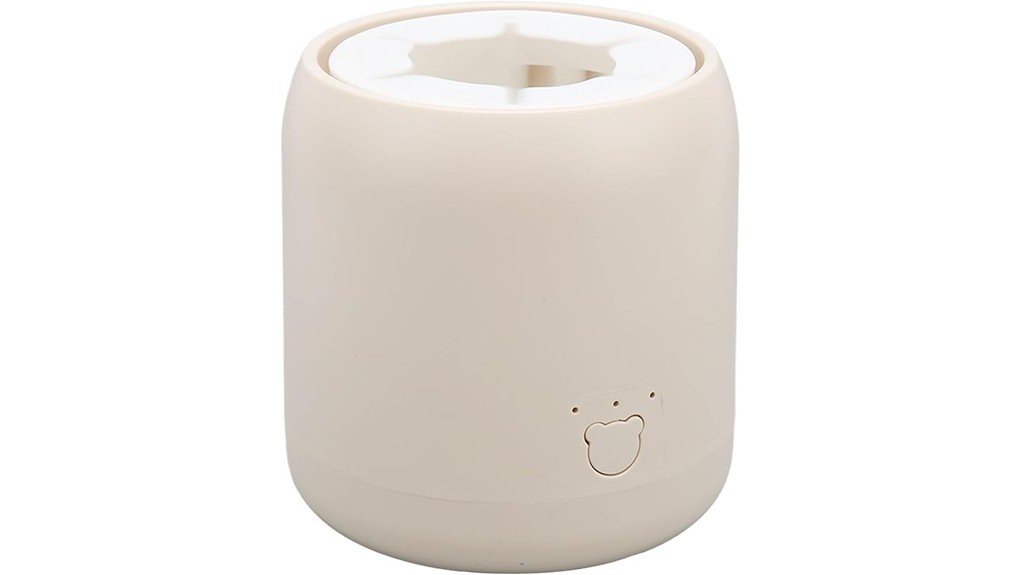
Preparing bottles can feel repetitive when you are tired, rushed, or trying to avoid clumps in the middle of a feeding routine. This automatic baby formula mixer is designed to blend formula and water with a small motorized stirring system instead of heavy hand shaking. It may help you get a smoother bottle with less visible foam, but it is not a warmer, sterilizer, or measuring device. This review explains how it works, what bottle sizes it fits, where it helps most, and where you should be cautious before buying.
Quick Verdict
Rating: 8/10, Recommended with caveats
Best For: Parents and caregivers who want easier bottle mixing, less hand shaking, and a compact rechargeable tool for home or travel.
Bottom Line: This mixer is useful if you want more consistent blending with less effort, especially for daily bottle prep. The main tradeoff is compatibility, since it is designed for bottles from 50 to 75 mm in diameter and does not replace safe formula measuring, warming, or storage steps.
| Specification | Detail |
|---|---|
| Product type | Automatic baby formula mixer |
| Design | Compact motorized mixer with rotating blade action |
| Mixing modes | Three modes |
| Bottle compatibility | Fits bottles from 50 to 75 mm in diameter |
| Material | ABS construction as described in the product copy |
| Noise level | Listed as under 40 dB |
| Power | Rechargeable battery |
| Battery life | Up to 10 days per charge; full charge time is not specified |
| Included accessories | Shaker and charging cable |
| Best use | Mixing infant formula with water, expressed milk, tea, coffee, and simple powdered drinks |
| Safety note | Not a sterilizer, bottle warmer, or formula measuring system |
Key Takeaways
- This automatic baby formula mixer can reduce the effort of hand shaking when preparing bottles.
- The rotating mixer action is meant to help break up powder clumps and create a smoother texture.
- It fits bottles from 50 to 75 mm in diameter, so bottle size is the main compatibility detail to check before buying.
- The listed under 40 dB noise level makes it more nursery-friendly than a loud kitchen blender or frother.
- The rechargeable battery is listed for up to 10 days per charge, but full charging time is not provided.
- You still need to measure formula and water correctly, clean the mixer after use, and follow your formula label for safe storage.
What Is an Automatic Baby Formula Mixer?
An automatic baby formula mixer is a small electric tool that stirs liquid inside a compatible bottle. Instead of shaking the bottle by hand, you attach or use the mixer as directed so the motor and rotating blade action help disperse formula powder into water.
This type of product is made for caregivers who want a smoother bottle with less arm movement, less mess, and fewer visible clumps. It is most useful when you prepare bottles often, when wrist strain is a concern, or when you want a more repeatable mixing routine during busy feeding times.
The key point is simple: this mixer helps with blending, not with measuring, heating, sterilizing, or deciding whether a formula is right for your baby. You still need to follow the formula container, your pediatrician’s guidance, and safe storage rules.
Before You Buy: Measure your bottle opening before ordering. This mixer is described as fitting bottles from 50 to 75 mm in diameter, so very narrow, very wide, or unusually shaped bottles may not fit securely.
How a Baby Formula Mixer Works
A baby formula mixer uses a small built-in motor and rotating blade system to move liquid inside the bottle. That motion helps formula powder disperse more evenly than a few quick hand shakes, especially when powder tends to stick to the sides or bottom.
The benefit is consistency. A steadier mixing action can help reduce clumps, limit excess foam, and give you a smoother bottle texture. Less foam may also mean less swallowed air during feeding, although this product should not be treated as a medical solution for gas, reflux, or feeding problems.
The mixer has three modes, which gives you more control than a single-speed tool. In most cases, you should start with the lowest effective mode and increase only when the powder is not dissolving well.
Design and Build Quality
The design is compact and focused on portability. That matters if you move between the nursery, kitchen, grandparents’ house, daycare drop-off, or travel bag. A smaller device is easier to store than a countertop formula machine, but it also means you need to pay closer attention to bottle fit and cleaning.
The article-supported material is ABS. ABS is commonly used in household products because it is lightweight and durable, but you should still follow the cleaning instructions for any part that touches bottle contents. Do not assume the motorized section can be washed in the same way as a normal bottle unless the product instructions clearly allow it.
Mixing Performance
The main reason to buy this mixer is to improve mixing consistency. The rotating motion can help break up powder clumps that may remain after manual shaking. That can be helpful for caregivers who dislike seeing dry powder pockets in the bottle.
Foam control is another benefit mentioned in the product copy. Shaking a bottle hard can create bubbles, while a controlled stirring action may limit foam. Results can still vary by formula type, water temperature, bottle shape, and how much powder you add.
This mixer works best when you add the correct amount of water first, add the correct amount of formula powder, and avoid overfilling the bottle. If the bottle is too full, any mixer can struggle to move liquid cleanly.
Bottle Compatibility and Sizing
The listed bottle diameter range is 50 to 75 mm. That is the most important buying detail in this review. Before you buy, measure across the part of the bottle where the mixer needs to sit or connect, not just the widest part of the bottle body.
If your bottle is close to the lower or upper limit, fit may require trial and error. A loose fit can reduce stability, while a tight fit may make setup harder. Parents who use several bottle brands should check each size before relying on the mixer for daily feeding.
Pro Tip: Test the mixer with water first before using formula. This lets you confirm bottle fit, choose the right mode, and check for splashing without wasting powder.
Battery Life, Noise, and Controls
The rechargeable battery is listed as lasting up to 10 days per charge. That is useful if you want fewer cords on the counter or need a mixer that can travel. The full charging time is not stated, so it is smart to charge it before a trip or keep the charging cable in a known place.
The listed sound level is under 40 dB, which is quiet enough for many nursery and nighttime routines. It should be less disruptive than a loud countertop appliance, though actual sound can vary based on bottle fit, liquid volume, and surface vibration.
Push-button controls make the mixer simple to use. Simple controls matter during late-night feedings, when you may not want to deal with settings, apps, or complicated assembly.
Cleaning and Maintenance
Cleaning ease is one of the main review factors for any baby feeding tool. This mixer has a simple design, but you should rinse contact areas promptly after use so formula residue does not dry around moving parts.
Dry the mixer fully before storage. Moisture trapped near seams, buttons, or moving areas can create cleaning problems over time. Use the product instructions as your main guide, especially around any motorized or rechargeable section.
This product should not add more work than it saves. If you find that cleaning takes longer than hand shaking a bottle, it may be better as an occasional tool rather than your main daily bottle-prep method.
Baby Safety Notes
Because this product is used around baby feeding, safe preparation matters more than speed. The mixer does not measure powder, confirm water temperature, sterilize bottles, or make prepared formula safe for longer storage.
Always follow the formula label for water amount, powder amount, preparation steps, and storage timing. If your baby was premature, has health concerns, or needs special feeding instructions, ask your pediatrician before changing any part of your feeding routine.
Use the mixer only with compatible bottles and only as directed. Stop using it if you notice cracks, loose parts, damaged charging areas, unusual sounds, or any residue you cannot clean fully.
Who Should Buy It?
Best For
- Caregivers who prepare formula often and want less manual shaking.
- Parents using bottles that fit the 50 to 75 mm diameter range.
- Families who want a compact rechargeable mixer for home, travel, or backup use.
Skip If
- You need a machine that measures, warms, and dispenses formula automatically.
- Your bottles fall outside the stated 50 to 75 mm diameter range.
- You prefer the simplest possible cleaning routine with no powered parts.
How It Performs in Real Use
For Daily Bottle Prep
For regular bottle prep, the mixer can save effort and help make each bottle feel more consistent. It is especially helpful when you are preparing several bottles in a day and want to reduce repeated shaking.
For Nighttime Feedings
The listed under 40 dB noise level makes it a practical option for nighttime use. It may help you prepare a bottle without making the same amount of noise as a kitchen appliance, but you still need enough light and attention to measure formula correctly.
For Travel or Grandparents’ House
The compact rechargeable design is useful outside your normal kitchen setup. Since the battery is listed for up to 10 days per charge, it can work well as a travel tool as long as you charge it before leaving and pack the cable.
For Coffee, Tea, and Other Drinks
The product copy also mentions use with coffee, tea, fruity drinks, and powdered supplements. That adds flexibility, but baby feeding should remain the main use case. Wash it well between uses so flavors, residue, or powder do not carry over.
Setup Tips Before First Use
- Measure your bottle first: Confirm that the bottle diameter falls within the 50 to 75 mm range.
- Charge before relying on it: Battery life is listed up to 10 days, but full charge time is not stated.
- Start with water: Test fit and mode strength before adding formula.
- Use the lowest effective mode: This can help reduce unnecessary foam.
- Clean right away: Rinse contact areas before formula dries around the mixing parts.
- Follow formula instructions: The mixer blends, but it does not decide water temperature, powder amount, or safe storage time.
Pros and Cons
Pros
- Motorized mixing can reduce clumps compared with quick hand shaking.
- Three modes give you more control for different powders and liquid levels.
- Listed under 40 dB noise level is helpful for nursery and night use.
- Rechargeable battery supports portable use without constant cord clutter.
- Compact design can fit more easily in a diaper bag or small kitchen space.
Cons
- Limited to bottles from 50 to 75 mm in diameter.
- Does not measure, warm, sterilize, or dispense formula.
- Full charging time and charging indicator details are not specified.
Is It Worth the Price?
This mixer is worth considering if you want a small tool that helps with bottle consistency without taking up countertop space. It offers strong value for everyday use if your bottles fit and you prepare formula often enough to benefit from the saved effort.
The best value is for caregivers who care about smoother mixing, quiet operation, and portability. It is not the best fit if you want a full formula station that measures water, heats it, and dispenses a finished bottle.
Because charging time and brand-specific listing details are not fully clear from the available article copy, check the latest Amazon listing details before you decide.
How It Compares to Alternatives
Compared with manual shaking, this mixer gives you a more controlled stirring action and may reduce foam. Manual shaking is still cheaper and simpler, but it can be tiring and may leave more clumps depending on the formula.
Compared with countertop formula makers or formula pitchers, this mixer is more compact and easier to travel with. Those larger alternatives may be better if you want batch prep or automatic dispensing, while this mixer makes more sense if you only need powered blending in a compatible bottle.
Frequently Asked Questions
Does this automatic baby formula mixer replace safe formula preparation?
No. It only helps mix the bottle. You still need to measure water and powder correctly, follow the formula label, clean feeding parts, and store prepared formula safely.
What bottle sizes does it fit?
It is described as fitting bottles from 50 to 75 mm in diameter. Measure your bottle before buying, especially if you use wide-neck, narrow-neck, glass, or shaped bottles.
How many mixing modes does it have?
The mixer has three modes. Start with the lowest mode that dissolves the powder well, then increase only if you still see clumps.
Is it quiet enough for nighttime feeding?
The product copy lists the noise level as under 40 dB. That should be quiet enough for many home and nursery routines, although actual sound can vary by bottle fit and surface vibration.
How long does the battery last?
Battery life is listed as up to 10 days per charge. The full charging time is not specified, so charge it before travel or before relying on it for a full day of bottle prep.
Can it mix breast milk or powdered supplements?
The product copy mentions use with breast milk and powdered drinks. For supplements or special feeding needs, follow your pediatrician’s guidance and use the mixer only if it fits your bottle and instructions.
How easy is it to clean after use?
It should be easy to clean if you rinse contact areas soon after mixing. Let parts dry fully before storage and follow the manual for any motorized or rechargeable section.
Who should skip this mixer?
Skip it if your bottles do not fit the 50 to 75 mm range or if you want a machine that measures, warms, and dispenses formula. It may also be unnecessary if you only make bottles occasionally and do not mind hand shaking.
The Bottom Line
This automatic baby formula mixer is a practical buy if you want smoother bottle mixing, less hand shaking, and a compact rechargeable design. It is best for compatible bottles and everyday formula prep, but you should skip it if you need warming, measuring, sterilizing, or full automatic dispensing. Its biggest strength is convenience, while its biggest limitation is bottle compatibility.