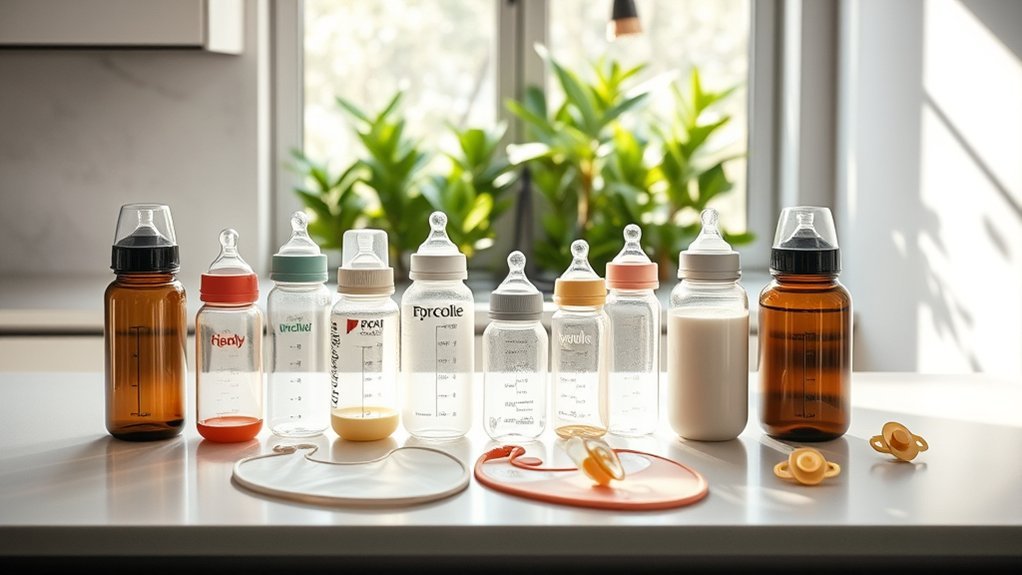
If your baby struggles with colic, you know how stressful feeding time can feel. Anti-colic bottles are designed to reduce air intake during bottle feeding, which may help lower gas, spit-up, fussiness, and feeding discomfort for some babies. They are not a guaranteed cure for colic, but choosing the right bottle, nipple flow, and feeding position can support a calmer feeding experience for both you and your baby.
Quick Answer
Anti-colic bottles may help babies who swallow extra air during feeding. They use vents, valves, angled shapes, or slower-flow nipples to reduce air bubbles in milk. They can ease gas and fussiness for some babies, but they do not prevent colic completely.
Key Takeaways
- Anti-colic bottles are made to reduce swallowed air during feeding.
- Common designs include vent systems, valves, angled bottles, and soft nipples.
- They may help with gas, bloating, spit-up, and feeding-related fussiness.
- The right nipple flow matters because milk that flows too fast or too slowly can cause frustration.
- Always clean valves, vents, nipples, and bottle parts carefully after each use.
At a Glance
| Best For | Babies with gas, fussiness, spit-up, or discomfort during bottle feeding |
| Difficulty | Easy, but proper assembly and cleaning are important |
| Main Features | Venting system, soft nipple, safe materials, correct flow rate, easy-clean parts |
| Cost | Usually more expensive than basic bottles because of extra venting parts |
Understanding Colic and Its Effects on Your Baby
Understanding colic can feel overwhelming, especially when you see your baby crying and you cannot quickly find a cause.
Colic usually means repeated periods of intense crying in an otherwise healthy baby. It often appears in the first few weeks of life and may improve as your baby gets older. Many babies cry more in the late afternoon or evening, which can make the end of the day especially hard for parents.
Colic does not always mean something is seriously wrong, but your baby’s discomfort is real and deserves gentle, consistent support.
The exact cause of colic is not always clear. Possible triggers include swallowed air, gas, digestive immaturity, feeding position, milk flow, overstimulation, or normal infant crying patterns. Some babies may also have reflux, food sensitivity, or another issue that looks similar to colic.
During this stage, it is normal to feel tired, worried, or helpless. Gentle rocking, a quiet room, white noise, paced feeding, burping breaks, and skin-to-skin comfort may help your baby settle.
Warning: Call your baby’s doctor if crying is paired with fever, poor feeding, vomiting, blood in stool, trouble breathing, unusual sleepiness, dehydration, or if your baby seems very weak or hard to wake.
What Are Anti-Colic Bottles?
Anti-colic bottles are feeding bottles made to reduce the amount of air your baby swallows while drinking milk or formula.
These bottles often use special features such as venting tubes, air valves, angled shapes, collapsible bags, or nipples designed to keep milk flowing more smoothly. The goal is to help separate air from milk so fewer bubbles reach your baby’s tummy.
Anti-colic bottles can be useful for babies who seem gassy, burp often, pull away from the bottle, cry after feeding, or swallow air during fast feeds. They are not a medical treatment, but they can be one helpful part of a better feeding routine.
Purpose of Anti-Colic Bottles
When you are learning how to feed your baby comfortably, knowing the purpose of anti-colic bottles can make feeding less stressful.
These bottles are designed to reduce the amount of air your baby swallows during feeding. Less swallowed air may help minimize gas, fussiness, burping, and discomfort. For some babies, this can lead to calmer feeds and less crying after meals.
The main goal is not to stop colic completely. Instead, anti-colic bottles help remove one common feeding problem: extra air intake. When paired with proper bottle angle, slow feeding, and regular burping, they may support a more comfortable routine.
Design Features to Consider
Finding the right bottle can make a big difference in your baby’s feeding experience. When choosing an anti-colic bottle, focus on features that make feeding smoother, safer, and easier to clean.
Look for a venting system that lets air enter the bottle without mixing heavily with the milk. This can help reduce bubbles. A soft silicone nipple may feel more natural and can help some babies latch more comfortably.
A wide neck can make filling and cleaning easier. This is helpful because anti-colic bottles often have extra parts that need careful washing. Adjustable or age-based flow rates also matter because newborns usually need a slower flow than older babies.
Lightweight materials can make handling easier during night feeds, while clear measurement markings help you track how much your baby drinks.
Benefits for Infants’ Comfort
Choosing the right feeding bottle can improve your infant’s comfort during feeding sessions.
Anti-colic bottles are designed to reduce feeding discomfort, making bottle time more peaceful for both you and your baby.
Here are some key benefits:
- Reduced Gas: Anti-colic bottles may minimize air intake, lowering the chance of gas and bloating.
- Less Fussiness: A baby who swallows less air may feel more settled after feeding.
- Smoother Feeding: A steady milk flow can help your baby drink without gulping or pulling away.
- Better Burping: Less trapped air may make burping easier and more effective.
- Convenience for Parents: Fewer feeding-related issues can create a calmer routine at home.
Types of Anti-Colic Bottles
Anti-colic bottles do not all work the same way. Different designs solve the air-intake problem in different ways, so the best choice depends on your baby’s feeding style.
- Internal vent bottles: These use a tube or insert inside the bottle to move air away from the milk.
- Valve-based bottles: These use a small valve in the nipple or collar to let air flow back into the bottle instead of into your baby.
- Angled bottles: These help keep the nipple full of milk, which may reduce air swallowing.
- Wide-neck bottles: These often support a wider latch and can be easier to clean.
- Silicone bottles: These are soft and squeezable, which some babies and parents find easier to handle.
Note: A bottle that works well for one baby may not work for another. Your baby’s latch, sucking strength, age, and milk flow preference all affect the result.
Key Features to Look for in Anti-Colic Bottles
As you explore options for anti-colic bottles, it is important to consider several features that can improve your baby’s feeding experience.
Look for bottles with a venting system designed to reduce air intake. This feature can help limit gas bubbles and may reduce discomfort after feeding.
The best anti-colic bottle is not always the most expensive one. It is the one your baby can latch onto, drink from calmly, and tolerate well.
Choose a bottle with a soft, flexible nipple that supports a natural latch. If your baby switches between breast and bottle, a nipple shape that feels familiar may help.
Pick BPA-free materials and check the bottle’s age recommendations. Some bottles are made for newborns, while others work better for older babies with stronger sucking skills.
Also consider:
- Nipple flow rate: Slow flow is usually best for newborns and babies who gulp milk.
- Ease of cleaning: Fewer tiny parts can make daily washing easier.
- Leak resistance: A secure collar and well-fitted vent help prevent messes.
- Measurement markings: Clear markings help you prepare and track feeds.
- Replacement parts: Make sure nipples, valves, and vents are easy to find.
Popular Brands of Anti-Colic Bottles
When choosing an anti-colic bottle, you will find several top-rated brands known for different designs and feeding features.
Each brand uses its own approach to reduce air intake and support a smoother feeding rhythm. Understanding these differences can help you choose a bottle that fits your baby’s needs and your daily routine.
Top Rated Brands
Finding the right anti-colic bottle can make a real difference, especially if your baby seems uncomfortable during or after feeds.
Here are some popular options parents often consider:
- Dr. Brown’s: Known for an internal vent system that helps reduce air intake.
- Philips Avent: Offers anti-colic and natural-style bottles designed to support a comfortable latch.
- MAM: Features a self-sterilizing design on some models and a soft, skin-like nipple.
- Comotomo: Uses soft silicone and a wide-mouth shape for easy filling and cleaning.
These brands are often chosen for quality, comfort, and different anti-colic designs. Your baby may still need time to adjust, especially when switching from another bottle or breastfeeding.
Unique Features Comparison
Choosing an anti-colic bottle is not only about brand reputation. It is also important to understand the unique features that each bottle offers.
| Brand | Unique Features | Best For |
|---|---|---|
| Dr. Brown’s | Internal vent system helps reduce air mixing with milk | Babies with gas, burping, or frequent air swallowing |
| Philips Avent | Anti-colic valve and natural-style nipple options | Parents who want simple parts and a familiar nipple shape |
| Comotomo | Soft, squeezable silicone and wide-mouth opening | Babies who prefer a soft bottle feel and parents who want easy cleaning |
| MAM | Vented base and soft nipple on many models | Babies who need a gentle nipple and steady flow |
Dr. Brown’s focuses strongly on internal air reduction, while Philips Avent aims for a simpler anti-colic design. Comotomo’s soft silicone body is easy to grip, and MAM bottles often appeal to parents who want a vented base with a soft nipple. Think about what matters most: fewer parts, stronger venting, softer feel, or easier cleaning.
How to Choose the Right Anti-Colic Bottle for Your Baby
How can you help your baby stay comfortable during feeding? Choosing the right anti-colic bottle starts with your baby’s age, feeding style, and symptoms.
Here are key factors to consider:
- Nipple Shape: Look for a nipple that helps your baby latch easily and seal around the nipple.
- Material: Choose BPA-free plastic, glass, or silicone based on your comfort, budget, and cleaning routine.
- Ventilation System: Pick a bottle with built-in vents or valves to help reduce air intake.
- Size and Capacity: Select a bottle size that fits your baby’s feeding amount and stage.
- Nipple Flow: Choose a slower flow if your baby coughs, gulps, leaks milk, or pulls away.
- Cleaning Needs: Make sure you are comfortable washing every part after each use.
If your baby is breastfed and bottle-fed, look for a nipple that encourages a wide latch and a paced feeding rhythm. If your baby is formula-fed, focus on easy mixing, clear markings, and a vent system that does not clog easily.
Pro Tip: Buy one or two bottles first instead of a large set. This lets you test your baby’s latch, flow preference, and comfort before spending more.
Proper Usage of Anti-Colic Bottles
Although using anti-colic bottles can help reduce gas and discomfort during feeding, proper usage is important for getting the best result.
First, always make sure the anti-colic valve, vent, or insert is correctly positioned. If the parts are not assembled properly, the bottle may leak, clog, or fail to vent air as designed.
When feeding, hold the bottle at an angle so the nipple stays full of milk. This helps stop your baby from sucking in extra air. Keep your baby slightly upright instead of lying flat.
It is also important to choose the right nipple size. A nipple that flows too fast can cause coughing, gulping, leaking, and air swallowing. A nipple that flows too slowly can make your baby tired or frustrated.
Try to keep feeding sessions calm and relaxed. Pause often, let your baby set the pace, and burp your baby during and after feeding.
Paced Bottle Feeding With Anti-Colic Bottles
Paced bottle feeding can work well with anti-colic bottles because it helps slow the feeding rhythm and gives your baby more control.
To try paced feeding:
- Hold your baby in a semi-upright position.
- Touch the nipple to your baby’s lips and let your baby latch instead of pushing the bottle in.
- Keep the bottle more horizontal, with enough tilt to keep milk in the nipple.
- Pause every few minutes to let your baby rest and breathe.
- Burp your baby when they slow down, pull away, or seem uncomfortable.
This method may help babies who gulp milk, spit up often, or seem uncomfortable after fast feeds.
Cleaning and Maintaining Your Anti-Colic Bottles
To keep your anti-colic bottles effective and safe for your baby, regular cleaning and maintenance are essential. Because these bottles often have extra parts, cleaning them carefully matters.
Follow these key steps:
- Wash after every use: Clean bottles, nipples, collars, valves, vents, and caps with warm soapy water or in the dishwasher if the manufacturer allows it.
- Use a small brush: Vent tubes and valves may need a thin cleaning brush to remove milk residue.
- Inspect for wear: Check nipples and parts for cracks, thinning, stickiness, discoloration, or damage.
- Sterilize when needed: Sterilize new bottles before first use and follow your doctor’s or manufacturer’s advice for ongoing sterilizing.
- Dry properly: Air-dry all parts on a clean drying rack to prevent trapped moisture.
- Replace parts on time: Nipples, valves, and vents can wear out and may need replacement.
If a bottle starts leaking, collapsing, or flowing differently than usual, check whether the vent is clogged, the nipple is damaged, or the parts are assembled incorrectly.
Common Anti-Colic Bottle Mistakes to Avoid
Even a good anti-colic bottle may not work well if it is used incorrectly. Avoid these common mistakes:
- Using the wrong nipple flow: A flow that is too fast can cause gulping and coughing.
- Skipping burp breaks: Anti-colic bottles reduce air, but they do not remove the need to burp.
- Overtightening the collar: Some bottles may not vent correctly if parts are tightened too much.
- Ignoring assembly instructions: Missing or reversed vent parts can stop the anti-colic feature from working.
- Waiting too long to replace nipples: Worn nipples may change the flow and cause feeding issues.
- Feeding while baby is lying flat: A more upright position can support better digestion and reduce air swallowing.
Transitioning From Anti-Colic Bottles to Regular Bottles
As your baby grows and develops, you may decide it is time to shift from anti-colic bottles to regular bottles. This change can be a natural step as your baby becomes more comfortable with feeding and less prone to gas or colic-like fussiness.
Start by introducing regular bottles during daytime feedings while keeping anti-colic bottles for nighttime or fussier feeds. This gradual approach lets your baby adjust without making every feeding feel different at once.
Watch how your baby responds. Some babies adapt quickly, while others need more time. Make sure the nipple flow is still appropriate for your baby’s age and feeding style. A faster flow can be overwhelming, even for an older baby.
It is normal for babies to be a little fussy during a bottle change. Stay patient, keep feeds calm, and switch back if your baby seems uncomfortable.
Tips for a Smooth Feeding Experience
Adjusting your baby’s bottle routine can be a good chance to improve feeding comfort. Small changes in position, flow, and environment can make a big difference.
A calmer feeding routine often comes from the full setup: the right bottle, the right flow, the right position, and enough pauses.
- Choose the right nipple flow: Start with a slower flow if your baby gulps, coughs, or leaks milk.
- Maintain a calm environment: Dim lights and reduce noise to make feeding feel soothing.
- Experiment with positioning: Hold your baby in a comfortable, slightly upright position to support digestion.
- Pause for burping: Burp during and after feeding, especially if your baby seems tense or pulls away.
- Watch hunger and fullness cues: Rooting, sucking hands, and alertness may show hunger. Turning away or relaxing may show fullness.
- Be patient and observant: Your baby may need a few feeds to adjust to a new bottle.
When to Talk to Your Baby’s Doctor
Anti-colic bottles can help with feeding comfort, but they are not a replacement for medical advice. Some symptoms need a doctor’s attention.
Contact your baby’s pediatrician if your baby has:
- Very forceful or frequent vomiting
- Poor weight gain or fewer wet diapers
- Blood in stool
- Fever or signs of illness
- Refusal to feed
- Crying that sounds unusual or extreme
- Breathing trouble during feeds
- Ongoing choking, coughing, or gagging while drinking
Your doctor can help rule out reflux, allergy, feeding problems, or other conditions that may look like colic.
Frequently Asked Questions
Can anti-colic bottles prevent colic completely?
No. Anti-colic bottles may reduce swallowed air and ease gas-related discomfort, but they cannot prevent colic completely. Colic can have several causes, so some babies may still cry even with an anti-colic bottle.
Are anti-colic bottles compatible with all breast pumps?
Not always. Some anti-colic bottles connect directly to certain breast pumps, while others need an adapter. Check your pump brand, bottle brand, and model details before assuming they fit together.
How do I know if my baby needs an anti-colic bottle?
Your baby may benefit from an anti-colic bottle if they seem gassy, fussy, bloated, or uncomfortable after feeding, or if they gulp air while drinking. If symptoms are severe or ongoing, ask your pediatrician for guidance.
What materials are anti-colic bottles made from?
Anti-colic bottles are usually made from plastic, glass, or silicone. Plastic is lightweight, glass is durable and easy to clean, and silicone is soft and flexible. Choose the material that fits your baby’s needs and your daily routine.
Can I use anti-colic bottles for formula feeding?
Yes. Anti-colic bottles can be used for formula feeding and expressed breast milk. Make sure formula is mixed correctly, the nipple flow matches your baby’s age, and all bottle parts are cleaned well after each feed.
Do anti-colic bottles help with reflux?
They may help if your baby’s discomfort is related to swallowed air, but they do not treat reflux. If your baby spits up often, arches their back, refuses feeds, or seems in pain, talk to your pediatrician.
How often should I replace anti-colic bottle nipples?
Replace nipples when they show cracks, thinning, stickiness, discoloration, leaking, or a change in flow. Many parents also replace nipples regularly as babies grow and need a different flow rate.
Conclusion
Finding the right bottle can make feeding feel less stressful when your baby struggles with gas, fussiness, or colic-like discomfort. Anti-colic bottles are designed to reduce swallowed air, support a steadier milk flow, and create a calmer feeding rhythm.
They are not a complete cure for colic, but they can be a helpful tool when used correctly. Focus on the right nipple flow, proper bottle angle, careful cleaning, regular burping, and a calm feeding environment. With patience and observation, you can make each feeding more comfortable and help your baby move toward a smoother, happier routine.