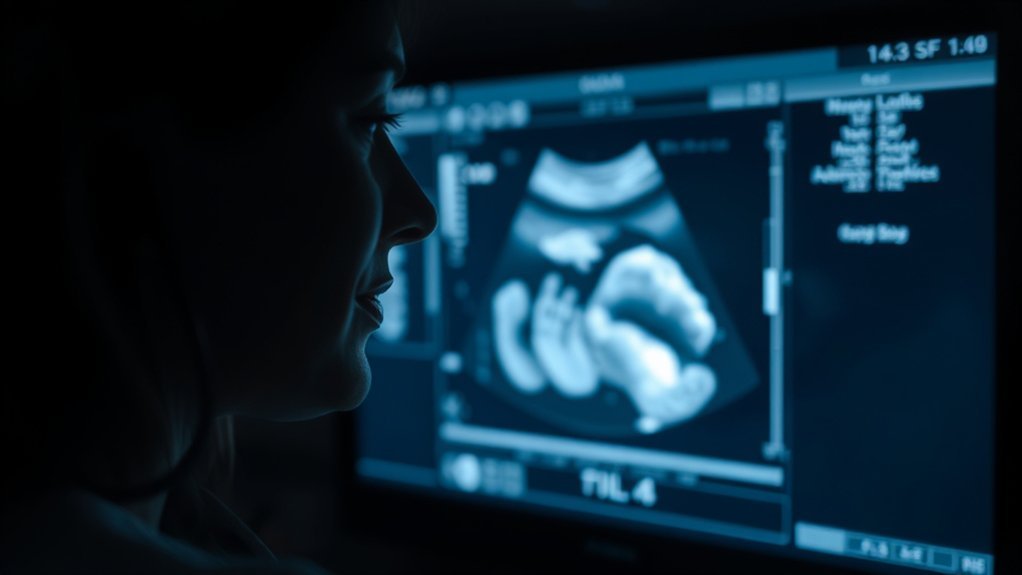
An anatomy scan is a major milestone in pregnancy. It’s a thorough assessment of your baby’s development, typically done between 18 and 22 weeks. You might have questions about what happens during the scan, how to prepare, and what the results could mean. Understanding this process can ease your mind as you approach this important appointment.
Quick Answer
- An anatomy scan is a detailed ultrasound done between 18 and 22 weeks of pregnancy.
- It checks your baby’s organs, limbs, facial features, placenta position, and amniotic fluid levels.
- The scan takes about 30 to 60 minutes and is considered safe, using sound waves rather than radiation.
- Schedule it in your second trimester, drink water beforehand, and bring a support person if you’d like.
What Is an Anatomy Scan?

An anatomy scan, also called a mid-pregnancy ultrasound, is a detailed imaging procedure typically performed between 18 and 22 weeks of gestation.
The scan lets you see your baby’s development, including organ formation, limbs, and facial features. It’s a key step in monitoring growth and catching any potential abnormalities early.
A trained technician uses sound waves to create images of your baby. The scan also checks the placenta’s position and amniotic fluid levels.
You may hear your baby’s heartbeat and see them moving. It can be both exciting and nerve-wracking, and both reactions are completely normal.
When Should I Schedule My Anatomy Scan?

Schedule your anatomy scan between 18 and 22 weeks of pregnancy for the best results.
Your health history and any risk factors may affect the timing, so talk with your provider early. This appointment plays a vital role in evaluating your baby’s development and catching potential concerns.
Ideal Timing for Scan
Most providers recommend scheduling your anatomy scan between 18 and 20 weeks. This window gives the clearest view of fetal anatomy and development.
| Week Range | Purpose |
|---|---|
| 18–20 weeks | Ideal fetal development imaging |
| Before 18 weeks | Limited detail, may miss abnormalities |
| After 20 weeks | Fetal position may hinder imaging |
First Trimester Considerations
Start planning your anatomy scan during your first trimester, even though the scan itself happens later. Talk to your healthcare provider early so they can explain what the scan involves and address any concerns.
Early planning helps you lock in an appointment within the ideal window and gives you time to prepare. The anatomy scan is essential for evaluating baby’s development and spotting potential issues, so being proactive makes a real difference.
Health Risks Assessment
Schedule your anatomy scan between 18 and 22 weeks of pregnancy. This window allows for the clearest view of your baby’s anatomy and gives providers the best chance of identifying health concerns early.
If you have a history of complications, such as gestational diabetes or high blood pressure, talk to your healthcare provider about your specific risks. They may recommend earlier monitoring or additional scans based on your situation.
What Can I Expect During the Procedure?
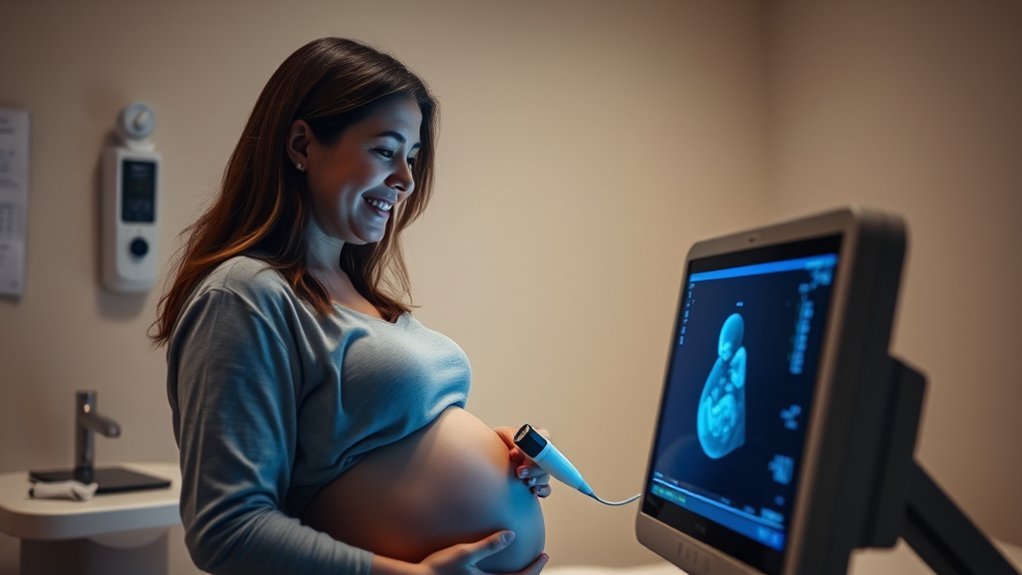
The anatomy scan typically takes place around 18 to 20 weeks and is performed by a trained sonographer using an ultrasound machine.
You’ll lie on an exam table with your abdomen exposed. A gel is applied to help transmit sound waves, and the sonographer moves a transducer (a small handheld device) across your belly to capture images of your baby’s organs, limbs, and overall growth.
You may hear the heartbeat and see your baby move. For many parents, this is an emotional experience worth savoring.
How Long Does an Anatomy Scan Take?
An anatomy scan typically takes about 30 to 60 minutes. The exact duration can vary depending on your baby’s position and whether additional imaging is needed.
Duration of Procedure
Plan for about 30 to 60 minutes on the examination table. The technician will use ultrasound to capture detailed images of your baby’s anatomy, and staying still helps ensure the clearest pictures. You may be asked to shift positions if needed.
This scan is a key part of your prenatal care. Feeling anxious or excited going in is completely normal, and your technician will walk you through each step and answer questions along the way.
Factors Affecting Time
A few things can push the appointment beyond that 30–60 minute window.
Your baby’s position is one of the biggest factors. If they’re in an awkward spot, the technician may need extra time to capture clear images. Body type also plays a role, since ultrasound waves can be harder to transmit depending on tissue density. A higher BMI may mean a longer scan.
The technician’s experience, the equipment used, and whether additional images are needed for a thorough assessment can all add time as well.
Will I Be Able to Find Out the Baby’s Sex?
The anatomy scan, which happens around 18–20 weeks, often gives parents the chance to find out their baby’s sex. The ultrasound technician assesses your baby’s development and may identify physical characteristics that indicate sex.
That said, accuracy depends on factors like the baby’s position and gestational age. If the baby isn’t cooperating, you may not get a definitive answer that day.
If you’d like to know, tell the technician beforehand. The primary purpose of the scan is to monitor your baby’s health, but finding out the sex is a natural and common part of the experience.
What if the Scan Reveals a Potential Issue?
If the anatomy scan reveals a potential issue, it’s natural to feel anxious about what comes next.
Your healthcare provider will walk you through the findings in detail and explain what they mean. You may be referred for additional testing or consultations with specialists for a clearer picture of the situation.
Many potential issues can be managed effectively, and early detection often plays a significant role in outcomes. Ask questions, voice your concerns, and lean on your support system. Your healthcare team is there to guide you through every step.
Can I Bring Someone With Me to the Appointment?
Bringing a partner, friend, or family member to your anatomy scan can provide real emotional support and help you process everything shared during the visit. Many healthcare facilities welcome a support person.
Check with your clinic beforehand, as some locations have visitor restrictions due to space or health guidelines. Having someone there also means a shared understanding of the results, making it easier to discuss what you heard after you leave.
How Should I Prepare for the Anatomy Scan?
Schedule the appointment during your second trimester, ideally between 18 and 22 weeks. Drink plenty of water beforehand to fill your bladder, which can improve image quality. Wear comfortable clothing that gives the technician easy access to your abdomen.
Write down any questions or concerns to bring up with your provider. Arriving a few minutes early helps with any necessary paperwork. If you tend to feel anxious, slow deep breathing before and during the scan can help.
Consider bringing a support person to share the experience with you.
Is the Anatomy Scan Safe for My Baby?
The anatomy scan is considered safe and non-invasive. It uses sound waves to create images of your baby’s development, with no radiation involved, which means minimal risk to your baby. You can read more about ultrasound safety from the American College of Obstetricians and Gynecologists.
Feeling a mix of emotions during the scan is perfectly normal. Most parents find the experience reassuring once they see their baby on screen.
Frequently Asked Questions
Can I Eat or Drink Before the Anatomy Scan?
Yes, you can eat or drink beforehand. Avoiding a very heavy meal or excessive fluids right before the appointment can help with imaging conditions. Follow your healthcare provider’s specific guidance.
Will I Receive a Copy of the Scan Images?
Yes, you’ll usually receive a copy of the scan images. Your healthcare provider will make sure you have access to them so you can track your baby’s development and share them with family if you’d like.
How Accurate Are the Findings From an Anatomy Scan?
Anatomy scans detect major abnormalities with roughly 90% accuracy. No test is perfect, but this scan provides genuinely valuable information. Your healthcare provider will help you interpret the results and address any concerns.
What Happens if I Miss My Scheduled Anatomy Scan?
If you miss your scheduled anatomy scan, your healthcare provider will typically reschedule it. This scan is an important part of monitoring fetal health, so arrange a new appointment as soon as possible.
Are There Any Risks Associated With the Ultrasound Gel Used?
Ultrasound gel is considered safe, with allergic reactions being very rare. The gel’s main purpose is to improve contact between the transducer and your skin, which helps produce clearer images.
Final Thoughts
Your anatomy scan is one of the most meaningful appointments of your pregnancy. It offers a detailed look at how your baby is developing and gives your healthcare team the information they need to support a healthy pregnancy.
Feeling excited, nervous, or both is entirely normal. Going in informed and prepared makes the experience smoother, and having your provider and support system by your side means you won’t face the results alone.