
An anatomy scan is often seen as an essential milestone in your pregnancy journey. It’s a thorough assessment of your baby’s development, typically conducted between 18 and 22 weeks. You might have questions about what happens during the scan, how to prepare, and what the results could mean for you and your baby. Understanding this process can greatly ease your mind as you navigate this important appointment. Let’s explore these common concerns together.
What Is an Anatomy Scan?

An anatomy scan, often referred to as a mid-pregnancy ultrasound, is a detailed imaging procedure typically performed between 18 and 22 weeks of gestation.
This scan allows you to visualize your baby’s development, including organ formation, limbs, and facial features. It’s a vital step in monitoring your baby’s growth and identifying any potential abnormalities.
During the procedure, a trained technician uses sound waves to create images of your baby, which can also provide insight into the placenta’s position and amniotic fluid levels.
You may hear your baby’s heartbeat and even see them moving. This experience can be both exciting and nerve-wracking, but remember that it’s an essential part of ensuring a healthy pregnancy.
When Should I Schedule My Anatomy Scan?

You should schedule your anatomy scan between 18 and 22 weeks of pregnancy for ideal results.
It’s important to take into account your health and any risks that may affect the timing of this scan during the first trimester.
This appointment plays a vital role in evaluating your baby’s development and identifying any potential concerns early on.
Ideal Timing for Scan
While many expectant parents enthusiastically anticipate their anatomy scan, scheduling it at the right time is essential for obtaining the most accurate results. Ideally, you should schedule your anatomy scan between 18 and 20 weeks of pregnancy. This timing allows for the best visualization of fetal anatomy and development.
| Week Range | Purpose |
|---|---|
| 18-20 weeks | Ideal fetal development imaging |
| Before 18 weeks | Limited detail, may miss abnormalities |
| After 20 weeks | Fetal position may hinder imaging |
First Trimester Considerations
When should you start planning your anatomy scan? Ideally, you should schedule your scan between 18 and 22 weeks of pregnancy.
However, it’s important to begin discussing this with your healthcare provider during your first trimester. They’ll help you understand the purpose of the scan and address any concerns you might have.
Early planning guarantees you secure an appointment within the best timeframe and gives you time to prepare for the experience.
Keep in mind that the anatomy scan is essential for evaluating the baby’s development and identifying potential issues. It’s a significant milestone, so stay proactive in your planning.
Communicating openly with your doctor will help guarantee a smooth process as you navigate this exciting phase of your pregnancy.
Health Risks Assessment
Scheduling your anatomy scan requires careful consideration of health risks to guarantee both you and your baby receive the best care.
Ideally, you should schedule your scan between 18 and 22 weeks of pregnancy. This timeframe allows for optimal visualization of your baby’s anatomy, helping to identify any potential health issues early on.
If you have a history of complications, such as gestational diabetes or high blood pressure, discussing your specific risks with your healthcare provider is essential. They may recommend earlier monitoring or additional scans.
Always prioritize open communication with your provider, as they can guide you based on your unique circumstances. By being proactive, you can facilitate a healthier pregnancy for you and your baby.
What Can I Expect During the Procedure?
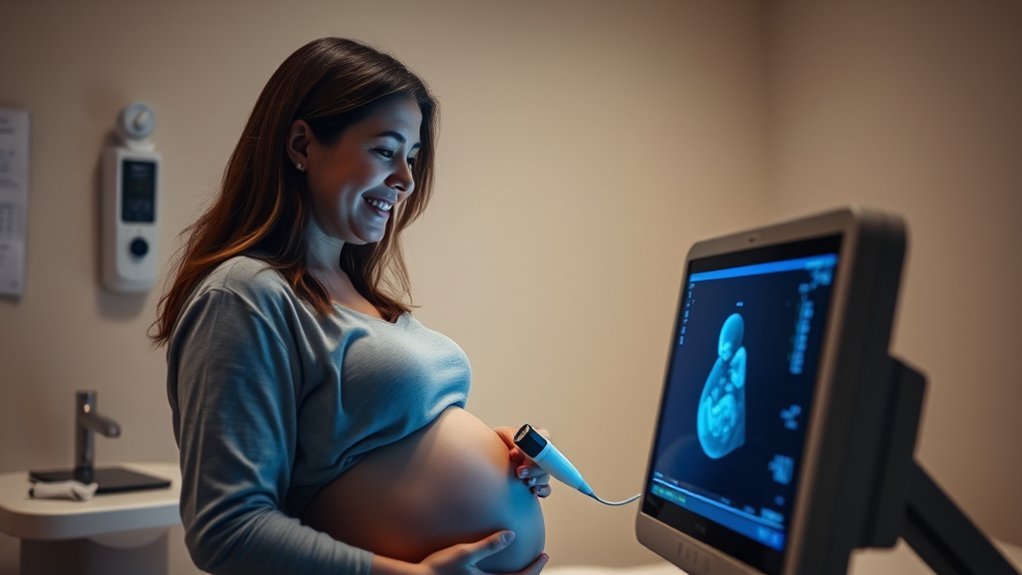
As you prepare for your anatomy scan, you can expect a detailed examination that focuses on your baby’s development and health.
The procedure typically takes place around 18 to 20 weeks of pregnancy and involves a trained sonographer using an ultrasound machine.
You’ll lie on an exam table with your abdomen exposed, and a gel will be applied to help transmit sound waves.
The sonographer will carefully move a transducer over your belly, capturing images of your baby’s organs, limbs, and overall growth.
You may hear the heartbeat and see your baby move, which can be an emotional experience.
How Long Does an Anatomy Scan Take?
An anatomy scan typically takes about 30 to 60 minutes, but the exact duration can vary.
Factors such as your baby’s position and the need for additional imaging may extend the time.
Understanding this can help you feel more prepared and at ease during your appointment.
Duration of Procedure
Typically, an anatomy scan takes about 30 to 60 minutes to complete. During this time, you’ll lie comfortably on an examination table while a technician uses ultrasound to capture detailed images of your baby’s anatomy.
It’s important to stay still to guarantee the best images, but you may be asked to change positions if needed. This scan is a crucial part of your prenatal care, allowing healthcare providers to assess your baby’s growth and development.
You might feel a bit anxious or excited, and that’s completely normal. Remember, this is your opportunity to see your baby and gather important information about their health.
Your technician will guide you through the process, answering any questions you might’ve along the way.
Factors Affecting Time
Several factors can influence the duration of your anatomy scan beyond the typical 30 to 60 minutes.
Your baby’s position plays an essential role; if they’re in an awkward spot, the technician may need extra time to capture clear images.
Additionally, your body type can affect how easily the ultrasound waves penetrate, potentially prolonging the scan. If you have a higher BMI, it might take longer to obtain the necessary views.
Other factors include the technician’s experience and the equipment used. If there are concerns or if additional images are needed for a thorough assessment, this can also extend the appointment.
Understanding these variables can help you feel more prepared for your scan experience.
Will I Be Able to Find Out the Baby’s Sex?
Wondering if you’ll be able to find out your baby’s sex during the anatomy scan?
Typically, the anatomy scan, which occurs around 18-20 weeks, allows for this information to be revealed. The ultrasound technician will assess your baby’s development and may identify physical characteristics that indicate sex.
However, it’s important to note that the accuracy can depend on various factors, including the baby’s position and gestational age. If the baby isn’t cooperating, you mightn’t get a definitive answer.
If you’d like to know the sex, communicate your preference to the technician beforehand. While many parents find this information exciting, remember that the primary purpose of the scan is to monitor your baby’s health and development.
What if the Scan Reveals a Potential Issue?
If the anatomy scan reveals a potential issue, it’s natural to feel anxious and uncertain about what comes next.
First, your healthcare provider will discuss the findings with you in detail, explaining what they mean and addressing any concerns. You may be referred for additional testing or consultations with specialists to gain a clearer understanding of the situation.
Remember, many potential issues can be managed effectively, and early detection often plays a significant role in outcomes.
It’s important to ask questions and voice your feelings during this process—you’re not alone. Support from loved ones, along with professional guidance, can help you navigate this challenging time.
Trust your healthcare team to provide the care and information you need.
Can I Bring Someone With Me to the Appointment?
Bringing someone with you to your anatomy scan appointment can provide emotional support and help you process the information shared during the visit. Many healthcare facilities encourage you to have a partner, friend, or family member accompany you. Their presence can help ease anxiety and make the experience feel less intimidating.
It’s important to check with your specific clinic beforehand, as some facilities may have visitor restrictions due to space limitations or health guidelines.
Additionally, having someone by your side allows for shared understanding and discussion about the results. Remember, this appointment is significant, and having support can enhance your overall experience, making it easier to absorb and discuss the information shared with you by the healthcare provider.
How Should I Prepare for the Anatomy Scan?
How can you best prepare for your anatomy scan? First, make sure you schedule the appointment during your second trimester, typically between 18 and 22 weeks.
Drink plenty of water beforehand to fill your bladder, as this can help improve image quality. Wear comfortable clothing that allows easy access to your abdomen.
You might also want to jot down any questions or concerns to discuss with your healthcare provider. It’s important to be relaxed; deep breathing can help ease any anxiety.
Arrive on time to allow for any necessary paperwork. Finally, consider bringing a support person to share in this important milestone.
With these preparations, you’ll be ready for a smooth and informative experience.
Is the Anatomy Scan Safe for My Baby?
Many expectant parents often wonder about the safety of the anatomy scan for their baby. Rest assured, this procedure is considered safe and non-invasive. The ultrasound uses sound waves to create images of your baby’s development, allowing healthcare providers to assess growth and identify any potential issues. It doesn’t involve radiation, which means there’s minimal risk to your baby.
During the scan, you’re likely to experience a mix of emotions, and it’s perfectly normal to feel anxious.
Frequently Asked Questions
Can I Eat or Drink Before the Anatomy Scan?
Yes, you can eat or drink before your anatomy scan. However, it’s often recommended to avoid heavy meals or excessive fluids right before the appointment to guarantee ideal imaging conditions. Always follow your healthcare provider’s specific instructions.
Will I Receive a Copy of the Scan Images?
Yes, you’ll usually receive a copy of the scan images. Your healthcare provider will guarantee you have access to them, helping you keep track of your baby’s development and share with family if desired.
How Accurate Are the Findings From an Anatomy Scan?
Anatomy scans are about 90% accurate in detecting major abnormalities. While they provide valuable insights, remember that no test is perfect. Your healthcare provider can guide you through the results and address any concerns.
What Happens if I Miss My Scheduled Anatomy Scan?
If you miss your scheduled anatomy scan, your healthcare provider will typically reschedule it. It’s important to have this scan for fetal health, so don’t hesitate to arrange a new appointment as soon as possible.
Are There Any Risks Associated With the Ultrasound Gel Used?
Ultrasound gel’s considered safe, with only rare allergic reactions occurring in about 1 in 10,000 cases. You shouldn’t worry, as the gel primarily serves to enhance image clarity during your ultrasound procedure.
Conclusion
In conclusion, your anatomy scan is an essential step in your pregnancy journey, akin to peering into a window that reveals your baby’s development. It’s normal to feel a mix of excitement and anxiety, but being informed can make the experience smoother. Remember to discuss any findings with your healthcare provider and lean on your support system for comfort. With the right preparation and understanding, you can approach this important milestone with confidence and peace of mind.
