Disclosure: As an Amazon Associate, we earn from qualifying purchases. If you buy through links on this page, we may earn a small commission at no extra cost to you.
ALVABABY cloth diaper inserts are presented as a practical option for parents seeking a lower-waste alternative to disposables. They are designed for infants from 3 to 15 kg and aim to combine softness, absorbency, and reuse. The key question is whether they perform well enough in daily use to justify the switch. Their washing routine, durability, and actual impact on diaper waste warrant closer examination.
Key Takeaways
- ALVABABY inserts are reusable, helping reduce diaper waste and long-term diapering costs.
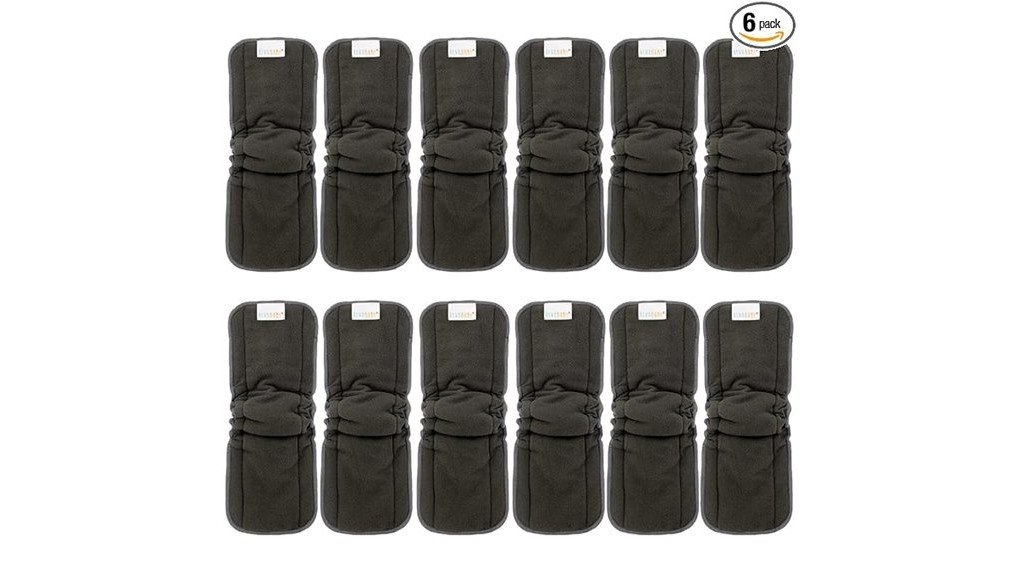
- The 12-pack supports easy rotation, making daily cloth diaper use more convenient.
- Their two-layer fiber and three-layer microfiber design offers strong absorbency for babies 3 to 15 kg.
- The suede-cloth side helps pull moisture away from skin for better comfort during wear.
- Proper washing with mild detergent and low heat keeps inserts effective and extends their usable life.
Why Consider ALVABABY Cloth Diaper Inserts
ALVABABY cloth diaper inserts merit consideration because they combine reusable convenience with a structured absorbent design suited for infants from 3 to 15 kg.
The 12-pack format supports routine rotation, reducing dependence on disposables and delivering clear cost savings over time. Each insert is sized for standard cloth diaper systems, allowing straightforward integration into a practical care regimen.
For families seeking liberation from recurring waste and unnecessary purchasing cycles, the product presents a disciplined alternative. Its reusable construction also supports baby comfort by promoting a consistent, dependable diapering workflow through infancy and early toddlerhood.
How Absorbent and Soft Are They?
The insert system combines two layers of fiber with gussets and three layers of microfiber to provide strong absorbency for routine cloth diaper use.
In absorbency test conditions, the structure is designed to manage repeated wetting without immediate saturation, supporting dependable containment for children from newborn to toddler stages.
A softness comparison with typical microfiber inserts indicates a gentler hand feel, aided by the suede cloth inner surface that moves moisture away from skin.
The result is a practical, freedom-oriented textile option: efficient, reusable, and less dependent on disposable waste while remaining suitable for daily wear.
How to Use ALVABABY Inserts
To use these inserts, place one inside a cloth diaper cover so the gusseted edges sit flat and aligned for secure coverage.
Best practices include selecting insert types matched to absorbency needs and positioning the suede-cloth side against the skin.
The insert suits babies from 3 to 15 kg and can support daytime freedom by limiting leaks and frequent outfit changes.
If extra protection is required, add a second insert without compressing airflow.
The 12.99-by-5.32-inch profile offers broad coverage while remaining discreet.
Adjust fit at the waist and legs for a secure, liberated range of movement.
How to Wash and Reuse Them
After use, solids should be rinsed into the toilet before the inserts are machine washed at no more than 30°C.
Detergent should be mild, with no bleach or fabric softener, to preserve absorbency and breathability.
Effective washing techniques prioritize a full rinse cycle and prompt laundering within one to two days, preventing odor and residue.
After washing, drying methods may include hanging in open air or using a low tumble setting. High heat is unnecessary and may shorten service life.
Proper care supports repeated use through infancy and toddlerhood, maintaining performance while reducing dependence on disposable alternatives for families seeking autonomy.
Do ALVABABY Inserts Reduce Diaper Waste?
Proper washing and reuse practices make ALVABABY inserts a substantially less wasteful option than disposable diapers. Each insert can serve through multiple growth stages, reducing the volume of single-use material sent to landfills.
This reuse pattern yields clear environmental benefits by limiting packaging, manufacturing, and disposal demands. For households seeking liberation from recurring purchases, the system also offers cost savings over time, especially when twelve inserts are rotated efficiently.
Waste is further minimized when solids are discarded properly and inserts are laundered promptly. The result is a pragmatic, lower-impact diapering method with measurable resource conservation.
Frequently Asked Questions
What Are the Exact Insert Dimensions?
The insert dimensions are 33 cm by 13.5 cm, or 12.99 by 5.32 inches. Its insert materials support strong absorption capacity, with gussets and microfiber offering a clinical, breathable, reusable option.
How Many Inserts Come in One Package?
One package contains 12 inserts. The design uses eco friendly materials and offers strong absorbency levels, supporting repeated use through infancy and toddlerhood. This reusable system reduces waste while maintaining clinically reliable performance and comfort.
What Baby Weight Range Do They Fit?
They fit babies weighing 3–15 kg, or 8.8–33 pounds. The theory that such eco friendly materials compromise baby comfort is largely unproven; clinical use suggests breathable absorbency supports both comfort and practical liberation.
Are They Compatible With Diaper Covers?
Yes, they are compatible with diaper covers. Their insert materials, with gusseted microfiber and suede cloth, are designed for cloth diapers and covers. Washing tips: rinse promptly, machine wash under 30°C, then air dry.
Can They Be Used Overnight?
Yes, though overnight use is a candle in a storm: possible, but not ideal alone. These inserts offer moderate nighttime absorbency and leak prevention; for extended sleep, an extra booster or cover would better protect freedom.
Conclusion
ALVABABY cloth diaper inserts present a remarkably practical, almost engineering-level solution to everyday diapering. Their absorbent core and soft texture create a dependable barrier against leaks, while their reusable design sharply reduces landfill volume over time. For caregivers seeking a low-waste option, they offer durability, straightforward washing, and sustained performance. In effect, these inserts turn routine diaper changes into a small but powerful environmental intervention—one that can ripple outward like a wave of reduced waste.