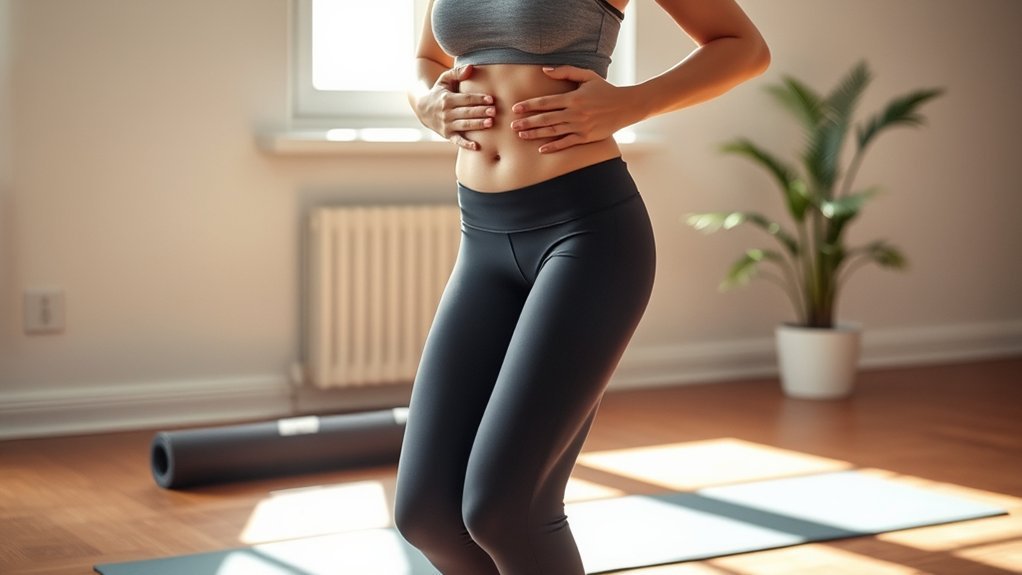
Abdominal separation can make simple movements feel awkward, weak, or unsafe. The right habits can support healing, while the wrong exercises may place more strain on your midline. This guide explains what you should do, what you should avoid, and when you should get professional help for diastasis recti.
Quick Answer
If you have abdominal separation, focus on gentle core work, good posture, safe lifting, and slow progress. Avoid crunches, sit-ups, heavy lifting, twisting under load, and high-impact workouts until a qualified clinician clears you.
Key Takeaways
- Choose gentle core exercises that help you control your breathing and abdominal pressure.
- Avoid crunches, sit-ups, jumping, and heavy lifts that make your abdomen bulge or dome.
- Use safe lifting habits during daily tasks to protect your core while you heal.
- Ask a physical therapist or healthcare professional for a plan that fits your symptoms.
Understanding Diastasis Recti
Diastasis recti happens when the left and right sides of the rectus abdominis move apart along the connective tissue in the middle of your abdomen. Pregnancy, major weight changes, repeated heavy strain, and poor pressure control can all play a role.
Diastasis recti involves a gap between the abdominal muscles, which can affect core strength, posture, and comfort during movement.
You may notice a bulge, ridge, or doming shape in your abdomen when you sit up, cough, lift, or strain. You may also feel weaker through your core during daily tasks.
Early guidance can help you move with more control and reduce strain on the midline. A healthcare professional or pelvic health physical therapist can check your symptoms and guide your recovery safely.
Do’s: Effective Exercises for Recovery
Gentle exercises can help you rebuild core control without forcing your abdominal wall. Start with movements that help you breathe well, keep your ribs stacked over your pelvis, and avoid visible doming.
Begin with pelvic tilts to connect your breath with your deep core muscles. Add heel slides, bent-knee fallouts, and supported marches when you can keep your abdomen flat and controlled.
Deep diaphragmatic breathing can help you manage pressure through your core. Side-lying leg lifts may also help you strengthen your hips and obliques without placing direct strain on your midline.
Gentle walking can support circulation, stamina, and overall strength. Practice consistently, but stop if you feel pain, pressure, pulling, or a bulge that you can’t control.
Pro tip: Exhale during effort, such as lifting your leg or standing up, to reduce pressure on your abdomen.
Don’ts: Exercises to Avoid
Some exercises can raise pressure inside your abdomen and make diastasis recti harder to manage. Avoid movements that cause doming, bulging, pain, or loss of control through your core.
High-impact cardio, traditional crunch variations, and heavy lifting can place extra stress on your abdominal wall. Choose lower-pressure options while you build strength and control.
High-Impact Cardio Exercises
High-impact cardio can make abdominal separation symptoms worse if your core cannot manage the force yet. These activities often combine jumping, fast direction changes, and repeated bracing.
Avoid or modify these exercises until a professional clears you:
- Running or jogging on hard surfaces
- Jumping rope
- High-intensity interval training (HIIT)
- Aerobic dance classes with jumps
- Plyometric moves, such as box jumps
Try lower-impact activities instead, such as walking, cycling, water exercise, or swimming if your clinician approves. These options can help you stay active while you protect your core.
Traditional Crunch Variations
Traditional crunches can strain your midline because they flex your spine and increase pressure through the abdomen. Sit-ups, bicycle crunches, reverse crunches, and similar moves may cause doming or pulling.
Replace them with core stabilization exercises that help you control pressure. A physical therapist can show you how to progress without making the separation worse.
Heavy Lifting Techniques
Heavy lifting can place too much pressure on your abdominal wall, especially if you hold your breath or twist while lifting. Use caution with exercises that require strong bracing or fast force.
Avoid these movements until you receive professional guidance:
- Deadlifts: They can overload your abdominal wall if your core cannot control the pressure.
- Overhead presses: They can increase pressure through your ribs, pelvis, and midline.
- Heavy weighted squats: Poor form may increase strain across the abdomen.
- Kettlebell swings: The fast hip drive can challenge core control too soon.
- Lifting with twists: Rotation under load can increase stress on the midline.
Warning: Stop any exercise that causes sharp pain, pelvic pressure, leaking, or visible abdominal doming.
Do’s: Tips for Daily Activities
Your daily habits matter as much as your exercise routine. Safe lifting, gentle core engagement, and good posture can reduce strain while your abdomen heals.
Small changes can help you protect your core when you pick up a child, carry groceries, get out of bed, or stand for long periods.
Safe Lifting Techniques
Safe lifting techniques help you protect your abdomen during normal tasks. Use these tips when you lift, carry, or move objects:
- Bend at your hips and knees: Use your legs instead of pulling from your back.
- Keep the object close: Hold items near your body to reduce strain on your core.
- Exhale as you lift: Breathe out during effort instead of holding your breath.
- Avoid twisting: Turn your feet and hips instead of rotating your torso.
- Ask for help: Get support with heavy, bulky, or awkward items.
Gentle Core Exercises
Gentle core exercises can support your recovery when you perform them with control. Start with pelvic tilts, breathing drills, and supported movements that don’t cause doming.
As you improve, try modified bridges to build glute and lower back strength while you keep your pelvis steady. Seated leg lifts can also help when you move slowly and keep your breath calm.
Listen to your body during each movement. Stop right away if you feel pain, pressure, or a bulge through your midline.
Proper Posture Practices
Good posture helps your core work with less strain during daily tasks. Aim to keep your ribs stacked over your pelvis instead of flaring your ribs or tucking your pelvis hard.
- Relax your shoulders and gently draw them back.
- Engage your core lightly while sitting, standing, and walking.
- Align your ears, shoulders, ribs, and hips when you stand.
- Use a chair that supports your lower back.
- Move with care when you bend, roll, lift, or carry.
Don’ts: Common Mistakes to Watch For
Avoiding common mistakes can make your recovery safer and more effective. Watch for habits that increase pressure, reduce control, or make symptoms worse.
| Mistake | Impact on Recovery |
|---|---|
| Ignoring core engagement | Reduces support during movement |
| Lifting heavy objects | Adds stress to the abdominal wall |
| Performing high-impact workouts | May worsen doming or separation symptoms |
| Holding your breath during effort | Increases abdominal pressure |
Check your abdomen during exercise and daily movement. If you see doming or feel pressure, reduce the effort and return to a gentler option.
How to Check for Doming During Exercise
Doming looks like a ridge or bulge that rises along the center of your abdomen during effort. It often appears when your core cannot manage pressure during a movement.
Place your hand lightly over your midline while you move. If you feel bulging, pulling, or pressure, slow down, exhale, or choose an easier version.
Note: The size of the gap matters less than how well you can create tension and control pressure.
Seeking Professional Help
Professional help can make a major difference if you feel unsure, stuck, or worried about your symptoms. A healthcare provider can assess your abdominal wall, movement patterns, pain, and daily needs.
A pelvic health physical therapist can teach you safe exercises and help you progress at the right pace. They can also check for related issues, such as pelvic floor symptoms, back pain, or poor breathing mechanics.
- You don’t have to manage recovery alone.
- Expert guidance can help you avoid unsafe exercises.
- A proper assessment can reduce your risk of setbacks.
- A tailored plan can help you rebuild strength safely.
- Support can help you stay patient and consistent.
Frequently Asked Questions
Can Diastasis Recti Occur Without Pregnancy?
Yes, diastasis recti can occur without pregnancy. Weight changes, repeated heavy lifting, abdominal surgery, chronic straining, and some medical conditions may contribute to abdominal separation.
How Long Does Recovery Typically Take?
Recovery time varies from person to person. Many people need several weeks or months of consistent rehab, but your timeline depends on your symptoms, movement habits, and exercise plan.
Are There Specific Diets to Support Healing?
No specific diet can close diastasis recti on its own. A balanced diet with enough protein, fiber, fluids, and nutrient-rich foods can support tissue health and help you feel stronger during rehab.
Can Men Experience Abdominal Separation?
Yes, men can experience abdominal separation. It may happen with significant weight changes, repeated heavy lifting, chronic straining, or pressure management issues during exercise.
Is Surgery Necessary for Severe Cases?
Surgery is not always necessary for diastasis recti. A specialist may discuss surgery if you have major functional limits, pain, hernia concerns, or symptoms that do not improve with guided rehab.
Medical Disclaimer: This article is for informational purposes only and does not constitute professional medical advice. Always consult a qualified doctor, physical therapist, or other licensed healthcare professional before making decisions based on this information.
Conclusion
The safest recovery plan for diastasis recti focuses on control, not intensity. Choose gentle core exercises, use smart lifting habits, and avoid movements that cause doming, pain, or pressure.
Your next step is to get a professional assessment if your symptoms affect daily life, exercise, or comfort. With steady progress and the right support, you can rebuild strength and move with more confidence.