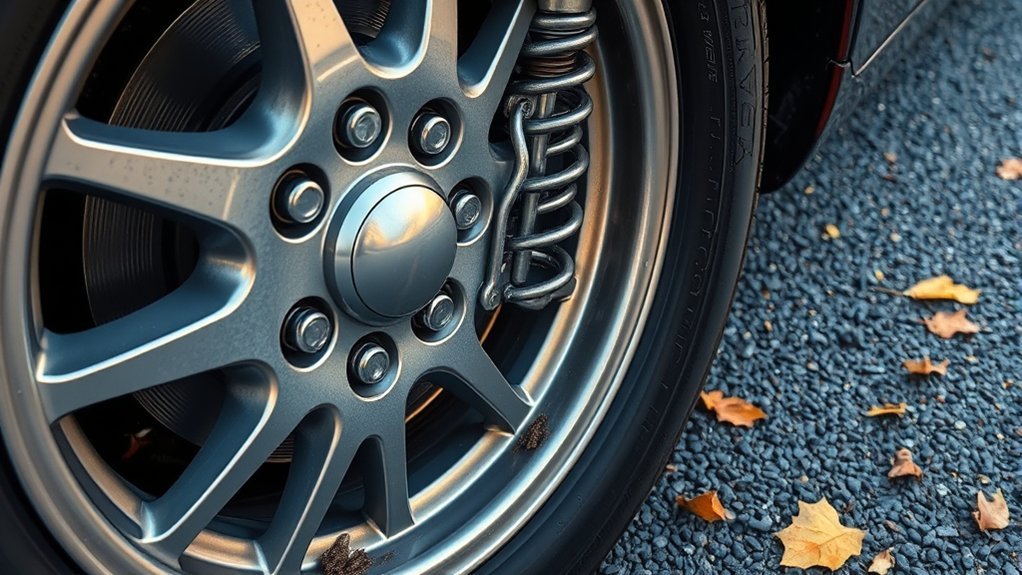
It’s interesting how a simple pothole can lead to significant wheel and suspension issues. Many drivers underestimate the impact of factors like improper mounting and overloading on their vehicles. As you navigate through various road conditions, the risk of corrosion and neglecting maintenance grows. Understanding these causes is essential for ensuring your vehicle’s stability and safety. What steps can you take to prevent these common pitfalls?
Common Causes of Wheel Failures
While you mightn’t think about it often, several common causes can lead to wheel failures that jeopardize vehicle safety and performance.
One significant factor is improper mounting, which can result in uneven tire wear and potential blowouts. Additionally, overloading your vehicle places excessive stress on wheels, increasing the risk of fractures.
Improper mounting and overloading your vehicle can lead to uneven tire wear and increased fracture risks.
Corrosion from road salt or moisture can weaken wheel integrity, making them prone to cracks. Moreover, inadequate maintenance, such as failing to check tire pressure regularly, can lead to heat buildup and tire separation.
Finally, impacts from potholes or debris can cause structural damage. Understanding these factors equips you to take preventive measures, ensuring your vehicle remains both safe and liberating on the road.
Factors Contributing to Suspension System Issues
When it comes to suspension system issues, several factors can lead to compromised vehicle handling and comfort. Poor road conditions, including potholes and uneven surfaces, can greatly affect your suspension’s integrity.
Additionally, excessive weight from cargo or modifications can strain the system, causing premature wear. Overloading your vehicle disrupts the balance, leading to instability.
Moreover, corrosion from environmental elements can weaken components, resulting in failure. Regularly driving on rough terrain without adequate suspension adjustments can exacerbate these issues.
Finally, the quality of replacement parts plays an essential role; substandard components may not withstand normal usage, ultimately resulting in performance degradation.
Addressing these factors proactively guarantees a smoother, safer ride while maintaining your vehicle’s suspension health.
The Impact of Poor Maintenance on Vehicle Safety
Neglecting regular maintenance on your vehicle can considerably compromise safety. Poorly maintained wheel and suspension systems lead to reduced handling, increased stopping distances, and heightened risk of accidents. Every component, from shocks to tires, plays a critical role in your vehicle’s performance.
| Maintenance Issue | Safety Impact |
|---|---|
| Worn shocks | Decreased stability |
| Improperly aligned wheels | Uneven tire wear, loss of control |
| Low tire pressure | Increased blowout risk |
Addressing these issues promptly not only enhances vehicle safety but also extends the lifespan of your car. Prioritize maintenance to guarantee a safer driving experience, as your safety on the road relies heavily on the condition of your vehicle.
Road Conditions and Their Effect on Wheel and Suspension Integrity
Road conditions greatly influence the integrity of your vehicle’s wheel and suspension systems. Uneven pavement, potholes, and debris can subject these components to excessive stress, leading to premature wear or failure.
For instance, hitting a deep pothole can damage wheel alignment, compromising handling and safety. Slippery surfaces can exacerbate suspension issues, causing instability during maneuvers. Additionally, gravel or loose materials can increase the likelihood of wheel and suspension component degradation.
Regular exposure to harsh road conditions may also necessitate more frequent inspections and repairs. Understanding these impacts empowers you to make informed decisions about maintenance and driving habits, ultimately enhancing your vehicle’s performance and safety.
Recognizing the importance of road conditions can liberate you from risks that jeopardize your driving experience.
Preventative Measures for Safer Driving Experiences
To guarantee a safer driving experience, it’s crucial to adopt preventative measures that address potential issues with your vehicle’s wheel and suspension systems.
Adopting preventative measures for your vehicle’s wheel and suspension systems is essential for a safer driving experience.
These practices not only enhance safety but also improve vehicle performance. Here are four key actions to reflect on:
- Regular Inspections: Schedule routine checks for alignment, tire wear, and suspension components.
- Tire Maintenance: Maintain proper tire pressure and rotate tires to guarantee even wear.
- Fluid Checks: Regularly monitor and replace suspension fluids as needed to prevent degradation.
- Driving Habits: Avoid abrupt maneuvers and excessive speeds, especially on uneven surfaces, to reduce strain on your suspension.
Frequently Asked Questions
How Can I Tell if My Wheels Are Misaligned?
You can tell if your wheels are misaligned by observing uneven tire wear, a drifting sensation while driving, or your steering wheel being off-center. Regularly check these signs to maintain ideal vehicle performance and safety.
What Are the Signs of Worn Suspension Components?
You’ll notice signs of worn suspension components like excessive bouncing, uneven tire wear, pulling to one side, and a rough ride. Addressing these issues promptly can enhance your vehicle’s performance and safety.
How Does Wheel Size Affect Suspension Performance?
Larger wheel sizes can improve handling and stability but may compromise ride comfort, as they reduce tire sidewall height. This affects suspension travel, leading to a stiffer ride and potentially increasing wear on suspension components.
Can Aftermarket Modifications Cause Suspension Problems?
Yes, aftermarket modifications can cause suspension problems. Altered components may disrupt alignment, increase wear, and compromise handling. It’s essential to guarantee compatibility and quality to maintain peak suspension performance and safety in your vehicle.
What Tools Do I Need for Wheel Maintenance?
You’ll need a jack, jack stands, lug wrench, torque wrench, tire pressure gauge, and a cleaning brush for wheel maintenance. These tools guarantee proper handling, safety, and performance, empowering you to maintain your vehicle effectively.
Conclusion
To summarize, you can’t overlook the importance of regular maintenance for your wheel and suspension systems. Coincidentally, addressing minor issues before they escalate can guarantee your safety on the road. Just as potholes can create unexpected challenges, neglecting checks like tire pressure and alignment can lead to significant failures. By prioritizing inspections and care, you enhance your vehicle’s performance and stability, ultimately making each drive a safer experience. Don’t wait for a problem to arise—act now.
