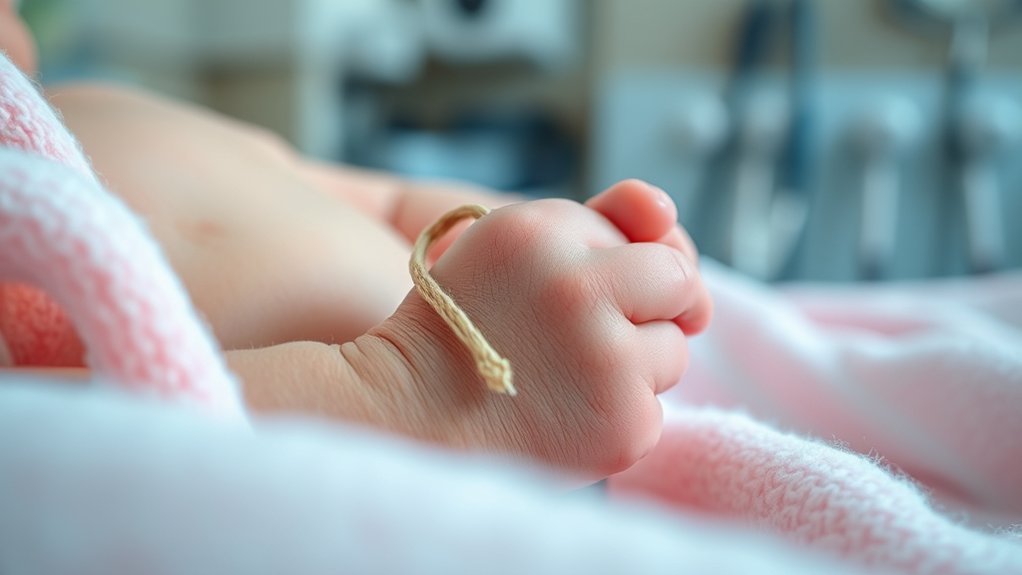
Did you know that about 1 in 10 newborns experience complications related to their umbilical cord stump? Caring for this small but significant part of your baby’s body can be intimidating, especially for new parents. Understanding when to call a doctor can make all the difference in ensuring your baby’s health. Let’s explore the essential signs to watch for and how to handle common concerns that may arise during this important time.
Understanding the Umbilical Cord Stump
The umbilical cord stump is a small but significant remnant of your baby’s prenatal life, and understanding its care is vital for their well-being. After birth, this stump typically dries out and falls off within one to three weeks. It’s crucial to recognize that the stump should be kept clean and dry during this time. You might notice a color change, ranging from yellowish to brown, which is normal as it heals. While it may seem concerning, a little bit of odor is also expected. However, if you spot any signs of infection, such as excessive redness, swelling, or discharge, reach out to your pediatrician. Caring for the stump helps guarantee your baby’s progression into the world is smooth and healthy.
Proper Cleaning Techniques
While caring for your baby’s umbilical cord stump might feel overwhelming, following proper cleaning techniques can make the process straightforward and effective. Start by washing your hands thoroughly to guarantee a clean environment. Gently clean the stump with a soft, damp cloth or cotton swab, using plain water. Avoid using alcohol or any harsh chemicals, as these can irritate the skin. Be sure to clean around the base of the stump, where bacteria can accumulate. After cleaning, let the stump air dry completely to promote healing. Dress your baby in loose clothing to keep the area exposed and dry. Regularly check the stump during diaper changes, but don’t pull or tug on it. Your care will help it heal nicely.
Signs of Infection to Look For
Recognizing signs of infection in your baby’s umbilical cord stump is essential for ensuring their health and comfort. Look for redness or swelling around the stump, which may indicate inflammation. If you notice a foul odor, it could be a sign of an infection. Watch for any discharge that appears yellow or green, as this is abnormal. Additionally, if your baby seems unusually fussy or has a fever, these can signal that something isn’t right. Pay attention to any changes in their feeding habits or lethargy, as these might also indicate an underlying issue. Keeping a close eye on your baby’s umbilical stump will help you address potential problems early on. Trust your instincts; you know your baby best.
When to Seek Medical Attention
When should you reach out to a healthcare provider about your baby’s umbilical cord stump? It’s essential to monitor it closely, and there are specific signs that warrant a call. If you notice any of the following, don’t hesitate to seek medical advice:
- Persistent bleeding: If the stump continues to bleed after initial cord separation.
- Foul odor: A strong, unpleasant smell could indicate an infection.
- Redness or swelling: If the area around the stump appears red or swollen.
- Fever: If your baby develops a fever, it could signal a more serious issue.
Common Concerns New Parents Have
It’s natural for new parents to have concerns about their baby’s umbilical cord stump, especially after learning about signs that may require medical attention. You might worry about the appearance, smell, or any changes in the stump. Here’s a quick reference table to help clarify common concerns:
| Concern | What to Look For | Action to Take |
|---|---|---|
| Discoloration | Yellow or green discoloration | Consult your pediatrician |
| Odor | Foul smell coming from stump | Seek medical advice |
| Bleeding | Persistent or heavy bleeding | Contact a doctor immediately |
How to Handle Bleeding or Discharge
Although seeing bleeding or discharge from your baby’s umbilical cord stump can be alarming, it’s important to stay calm and know how to respond. Here’s how to handle the situation:
- Assess the amount: A few drops or light spotting can be normal, but significant bleeding requires attention.
- Clean gently: Use a soft, damp cloth to clean the area with warm water. Avoid alcohol wipes unless advised by your doctor.
- Monitor for changes: Keep an eye on the discharge’s color and consistency. Yellowish discharge is normal, while green or foul-smelling may indicate infection.
- Contact your pediatrician: If bleeding is persistent or you notice signs of infection, call your doctor for guidance.
Staying informed helps you care for your little one with confidence!
The Role of Pediatric Check-Ups
Pediatric check-ups are essential for monitoring your baby’s overall health and ensuring the umbilical cord heals properly. During these visits, your doctor will check for any signs of complications and guide you on what to look out for at home. Staying on top of these appointments helps you provide the best care for your little one.
Importance of Regular Check-Ups
Regular check-ups play an essential role in your child’s health, guaranteeing early detection and management of any potential issues. These visits help monitor growth and development, allowing you to address concerns before they escalate. Here are four key reasons to prioritize pediatric check-ups:
- Growth Monitoring: Track your child’s physical and emotional development.
- Vaccinations: Guarantee your child receives necessary immunizations on time.
- Health Screenings: Identify potential health issues early, increasing treatment effectiveness.
- Nutrition Guidance: Get personalized advice on your child’s dietary needs.
Monitoring Umbilical Cord Healing
During those significant check-ups, your healthcare provider will also assess your baby’s umbilical cord healing. They’ll examine the area for any signs of redness, swelling, or odor, which can indicate potential issues. It’s vital to keep track of your baby’s healing progress, as the cord typically falls off within the first few weeks. Your provider may offer guidance on proper care techniques to guarantee the area remains clean and dry. If they notice anything unusual, they’ll discuss next steps with you. Regular check-ups not only help monitor the healing process but also provide you with a chance to ask questions and express any concerns. Trust your provider to support you through this critical stage of your baby’s development.
Signs of Complications to Watch
While you may be focused on the joy of your baby’s early days, it is essential to stay vigilant for any signs of complications with the umbilical cord. Here are four key indicators to watch for:
- Persistent Redness: If the area around the cord remains red beyond the expected time frame.
- Foul Odor: A strong, unpleasant smell may indicate an infection.
- Excessive Bleeding: If you notice bleeding that isn’t resolving, contact your pediatrician.
- Swelling or Discharge: Any unusual swelling or discharge from the cord site should be assessed.
Be certain to discuss these signs during pediatric check-ups. Being proactive guarantees your baby’s health and peace of mind during those precious early days.
Tips for Stress-Free Umbilical Cord Care
Taking care of your baby’s umbilical cord can feel overwhelming, but it doesn’t have to be. You’ll want to focus on effective cleaning techniques, watch for signs of infection, and guarantee proper drying to promote healing. Let’s explore these essential tips for a stress-free experience.
Cleaning Techniques Overview
Caring for your newborn’s umbilical cord can feel challenging, but with the right techniques, it becomes a manageable part of your routine. Here are some effective cleaning tips to guarantee proper care:
- Wash your hands: Always start by washing your hands thoroughly to prevent introducing bacteria.
- Use a clean cloth: Gently clean the base of the cord with a soft, damp cloth or cotton swab.
- Keep it dry: Allow the cord to air dry completely after cleaning to promote healing.
- Avoid lotions and ointments: Don’t apply any creams or powders, as these can irritate the area.
Signs of Infection
How can you tell if your newborn’s umbilical cord might be infected? Watch for signs like redness, swelling, or a foul odor coming from the area. If you notice any discharge that’s yellow or green, that’s another red flag. Your baby might also seem unusually fussy or have a fever. Keep an eye on the skin around the cord; if it feels warm to the touch, that could indicate an issue too. It’s crucial to act quickly—if you see any of these symptoms, don’t hesitate to contact your pediatrician. Early intervention can prevent complications and guarantee your little one stays healthy. Trust your instincts; you know your baby best.
Proper Cord Drying
While it might seem intimidating at first, proper drying of your newborn’s umbilical cord is simple and essential for their health. Here are some tips to guarantee a stress-free drying process:
- Keep it Clean: Gently clean the area with a mild soap and water, avoiding alcohol, which can irritate the skin.
- Air Dry: Allow the cord to air dry completely; avoid covering it with tight clothing or diapers.
- Monitor Moisture: Check for any moisture build-up; if needed, use a soft, dry cloth to absorb excess moisture.
- Watch for Signs: Keep an eye out for any signs of infection, such as redness or discharge, and consult your doctor if you notice anything unusual.
Frequently Asked Questions
How Long Does It Take for the Umbilical Cord Stump to Fall Off?
The umbilical cord stump typically falls off within one to three weeks after birth. Keep the area clean and dry, and don’t worry; it’s a normal process that varies for each baby.
Can I Bathe My Baby Before the Stump Falls Off?
You shouldn’t fully bathe your baby until the stump falls off. Instead, give sponge baths to keep the area dry and clean. This helps prevent infection and promotes healthy healing during this delicate time.
What Should I Do if the Stump Smells Bad?
If the stump smells bad, it’s essential to consult your doctor. About 10% of newborns experience infections in their umbilical cord stump. You should keep the area clean and dry while monitoring for other signs of infection.
Is It Normal for the Stump to Change Color?
Yes, it’s normal for the stump to change color as it heals. You might notice shades of yellow or brown. Just keep it clean and dry, and reach out if you see unusual colors or signs of infection.
Can I Dress My Baby Normally With the Stump Still Attached?
You can dress your baby normally, but choose loose-fitting clothes that allow airflow around the stump. Avoid tight fabrics to prevent irritation, and keep an eye on the area for any signs of infection.
Conclusion
Caring for your newborn’s umbilical cord stump can feel intimidating, but it’s an essential part of nurturing your little one. While you may worry about possible infections or bleeding, keep in mind that most stumps heal without complications. Trust your instincts—if something doesn’t seem right, don’t hesitate to call your pediatrician. Balancing caution with confidence will help you navigate this new journey, ensuring your baby stays healthy and happy as they grow.
