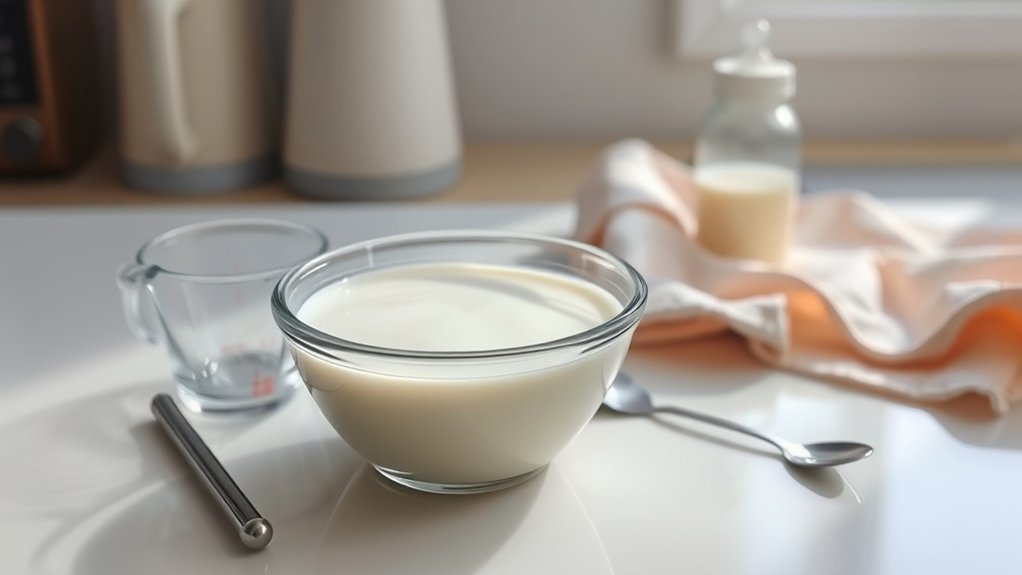
Thawing breast milk the right way is essential for maintaining its nutrients and ensuring your baby’s safety. You might think it’s as simple as tossing it in the microwave, but there are better methods that protect the milk’s quality. Understanding these techniques can make all the difference. So, what’s the best way to thaw your stored milk without compromising its benefits? Let’s explore the safe and effective methods together.
Understanding the Importance of Proper Thawing
When you thaw breast milk correctly, you not only preserve its fundamental nutrients but also guarantee your baby’s safety.
Proper thawing is important because it helps maintain the quality of the milk, ensuring your little one receives the best possible nutrition. Breast milk contains antibodies and enzymes that can be compromised if it’s thawed improperly.
Using the right method can prevent harmful bacteria from developing, keeping your baby healthy. It’s also significant to remember that once thawed, breast milk should be used within 24 hours and never refrozen.
Best Methods for Thawing Breast Milk
To guarantee your baby’s safety and the milk’s nutritional quality, it’s essential to choose the right method for thawing breast milk.
Here are the best methods you can use:
- Warm Water Bath: Place the sealed container of breast milk in a bowl of warm water. This method gently warms the milk without overheating it.
- Running Warm Water: Hold the sealed milk bag or bottle under running warm water. It’s a quick way to thaw without risking nutrient loss.
- Microwave (not recommended): While it’s fast, avoid using a microwave, as it can create hot spots that may scald your baby and destroy beneficial components.
Thawing Breast Milk in the Refrigerator
Thawing breast milk in the refrigerator is one of the safest methods, as it maintains an ideal temperature that preserves nutrients.
Typically, you’ll want to allow about 24 hours for the milk to fully thaw, ensuring it’s ready when you need it.
Remember to follow safe storage practices to keep your milk fresh and your little one healthy.
Optimal Thawing Temperature
The safest way to thaw breast milk is in the refrigerator, where it can gradually reach an ideal temperature without compromising its quality. By thawing in this manner, you guarantee the milk retains its nutrients and remains safe for your baby.
Here are a few key points to keep in mind:
- Temperature Range: Aim for a temperature between 32°F to 40°F (0°C to 4°C) while thawing.
- Storage: Keep the thawed milk in a separate area of the fridge to avoid cross-contamination.
- Checking Consistency: Once thawed, gently swirl the milk to mix any separated components, but don’t shake it.
Thawing breast milk properly is essential for maintaining its nutritional value and safety for your little one.
Recommended Thawing Duration
When you’re thawing breast milk in the refrigerator, it’s important to plan ahead to guarantee safety and quality.
Ideally, you should allow about 24 hours for the milk to thaw completely in the fridge. This slow thawing method helps preserve the nutrients and reduces the risk of bacterial growth.
If you’re in a hurry, you might be tempted to leave it out at room temperature, but that can compromise safety.
Once thawed, use the milk within 24 hours and never refreeze it.
By following these guidelines, you ascertain that your baby gets the best possible nutrition without risking their health.
Safe Storage Practices
After allowing breast milk to thaw in the refrigerator, it’s essential to store it properly to maintain its safety and quality.
Here are three key practices to follow:
- Use Within 24 Hours: Once thawed, use the breast milk within 24 hours for maximum safety. Don’t refreeze it.
- Keep It Sealed: Store the milk in a clean, airtight container. This helps prevent contamination and keeps the milk fresh.
- Label Your Containers: Always label your containers with the date you thawed the milk. This way, you’ll easily keep track of its freshness.
Thawing Breast Milk Under Running Water
One effective method for thawing breast milk is using running water, which can quickly bring the milk to a safe temperature.
Start by placing the sealed bag or bottle of frozen milk under lukewarm running water. Confirm the water’s temperature is comfortable to the touch; avoid hot water, as it can damage the milk’s nutrients.
Place the sealed bag or bottle of frozen milk under lukewarm running water, ensuring the temperature is comfortable to the touch.
Keep the milk container under the water for about 5 to 10 minutes, gently swirling it occasionally to guarantee even thawing. Always check the milk’s temperature before feeding your baby; it should feel warm, not hot.
This method allows you to thaw milk efficiently while keeping it safe for your little one. Remember, never refreeze thawed milk, so only thaw what you plan to use.
Thawing Breast Milk in a Warm Water Bath
Thawing breast milk in a warm water bath is another safe and effective method to prepare your baby’s meal.
This gentle approach helps maintain the nutrients in your milk while warming it to the right temperature. Here’s how to do it:
- Fill a bowl with warm water, ensuring it isn’t boiling—aim for a comfortable temperature.
- Place the sealed breast milk container in the warm water, making sure it’s submerged but not too deep to prevent water from entering.
- Swirl the container gently in the water for a few minutes until the milk is thawed and warm.
Always test the milk’s temperature on your wrist before feeding.
Your little one deserves the best, and this method helps you provide it.
What Not to Do When Thawing Breast Milk
While it may seem tempting to rush the thawing process, there are several things you should avoid to guarantee your breast milk remains safe and nutritious for your baby.
| What Not to Do | Reason to Avoid It |
|---|---|
| Don’t use a microwave | It can create hot spots, risking burns. |
| Never refreeze thawed milk | It can diminish nutritional quality. |
| Avoid thawing in hot water | It may overheat and spoil the milk. |
| Don’t leave milk at room temp | Bacteria can grow rapidly, making it unsafe. |
Safe Storage and Reheating of Thawed Breast Milk
Ensuring the safe storage and reheating of thawed breast milk is essential for protecting your baby’s health and maintaining the milk’s nutritional benefits.
Here are some key practices to follow:
1. Store properly**: After thawing, keep the breast milk in the refrigerator and use it within 24 hours**.
Never refreeze previously thawed milk.
2. Reheat gently****: Warm the milk by placing the container in a bowl of warm water or using a bottle warmer.
Avoid microwaving, as it can create hot spots and destroy nutrients.
3. Test the temperature: Before feeding, always check the milk’s temperature by dropping a few drops on your wrist.
It should feel lukewarm, not hot.
Frequently Asked Questions
Can I Refreeze Thawed Breast Milk?
You shouldn’t refreeze thawed breast milk. Once it’s thawed, it’s best to use it within 24 hours. Always prioritize your baby’s health and safety by following proper storage guidelines for breast milk.
How Long Can Thawed Breast Milk Be Stored?
Thawed breast milk can be stored in the refrigerator for up to 24 hours. For instance, if you thaw a bag for a nighttime feeding, use it within that timeframe to guarantee your baby’s safety.
Does Thawing Change the Nutritional Value of Breast Milk?
Thawing breast milk doesn’t notably change its nutritional value. However, avoid refreezing thawed milk to preserve its quality. Always make sure you’re handling it safely to maintain the essential nutrients for your baby’s health.
Can I Thaw Breast Milk in the Microwave?
You wouldn’t want to zap precious nutrients away! Thawing breast milk in the microwave isn’t recommended, as it can create hot spots and compromise the milk’s quality. Instead, opt for safer methods like warm water or refrigeration.
What Signs Indicate Breast Milk Has Gone Bad?
You’ll know breast milk has gone bad if it smells sour, has a strange color, or shows clumps. Always trust your senses; if it seems off, it’s best to throw it away for safety.
Conclusion
Thawing breast milk properly is essential for your baby’s health and nourishment. As the saying goes, “An ounce of prevention is worth a pound of cure.” By following the right methods and guidelines, you guarantee that your little one gets the best from every drop. Always remember to check temperatures, avoid refreezing, and store milk safely. With these practices in place, you can confidently provide your baby with the critical nutrients they need for healthy growth.
