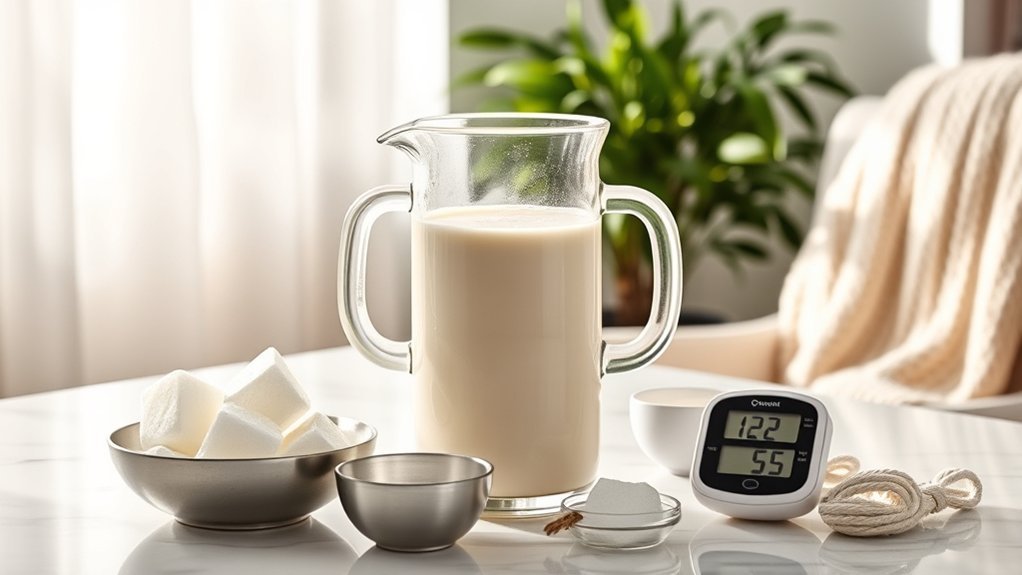
Thawing breast milk safely is essential for your baby’s health. It’s important to use the right methods to prevent bacterial growth and preserve nutrients. You’ll want to avoid quick fixes like microwaving or letting it sit at room temperature. Instead, consider the best practices for thawing and storing your milk. Understanding these guidelines can make all the difference in ensuring your little one gets the nutrition they need. What are the safest methods to use?
Understanding Breast Milk Storage Guidelines
When you’re preparing to store breast milk, understanding the guidelines is essential to confirm its safety and quality.
First, always use clean, BPA-free containers or bags designed specifically for breast milk storage. Label each container with the date and time to confirm you use the oldest milk first.
Store freshly expressed milk at room temperature for up to four hours, in the refrigerator for up to four days, or in the freezer for six months to a year, depending on your freezer type.
Thawing should occur in the refrigerator or under running water, never at room temperature.
Safe Thawing Methods
Although it might seem convenient to thaw breast milk quickly, using safe methods is essential to preserve its nutrients and protect your baby’s health. Here are some effective thawing methods you can use:
| Method | Description |
|---|---|
| Refrigerator | Place the milk in the fridge overnight. |
| Cold Water Bath | Submerge the container in cold water. |
| Warm Water Bath | Use lukewarm water, never boiling. |
| Running Water | Hold the container under warm running water. |
| Microwave (not recommended) | Can create hot spots; avoid when possible. |
The Importance of Temperature Control
Proper temperature control is vital for maintaining the quality and safety of thawed breast milk. When you thaw breast milk, it’s important to keep it at safe temperatures to prevent bacterial growth.
If milk warms too quickly or stays at room temperature for too long, it can compromise its nutritional value and safety. Always aim to thaw in the refrigerator or under cool running water, avoiding microwave use, as it can create hot spots.
Monitor the temperature closely; ideally, the milk should be used within 24 hours after thawing. By controlling the temperature effectively, you guarantee that your little one receives the healthiest and safest nutrition possible, giving you peace of mind as a parent.
Avoiding Refreezing Breast Milk
If you thaw breast milk, it’s essential to avoid refreezing it to guarantee your baby’s safety and nutritional needs are met.
Refreezing can lead to bacterial growth and nutrient loss, which isn’t ideal for your little one.
Here are some tips to help you manage thawed breast milk effectively:
- Plan Ahead: Thaw only the amount you think your baby will consume in one feeding.
- Use Within 24 Hours: Once thawed, aim to use the milk within 24 hours to maintain freshness.
- Stay Organized: Label containers with thaw dates to keep track of their usability.
Recognizing Signs of Spoilage
When you’re caring for your baby, it’s essential to recognize the signs of spoilage in thawed breast milk. Spoiled milk can pose health risks, so be vigilant.
First, check the smell; fresh breast milk has a sweet scent, while spoiled milk often has a sour or rancid odor.
Check the smell of thawed breast milk; a sweet scent indicates freshness, while a sour odor suggests spoilage.
Next, observe the appearance; if you notice any separation or clumping, it might be a sign of spoilage.
Finally, taste a drop if you’re in doubt; fresh milk tastes mild, whereas spoiled milk will have an unpleasant flavor.
Always trust your instincts—if something feels off, it’s best to discard the milk.
Keeping these signs in mind guarantees your baby receives only the best nutrition.
Utilizing Thawed Breast Milk
After confirming that your thawed breast milk is safe for your baby, it’s time to utilize it effectively. Here are some tips to help you make the most of it:
- Feed within 24 hours: Once you’ve thawed the milk, use it within a day to maintain its nutritional quality.
- Warm gently: If your baby prefers warm milk, warm it by placing the container in a bowl of warm water or using a bottle warmer. Avoid microwaving, as it can create hot spots.
- Don’t refreeze: Once thawed, never refreeze breast milk. This guarantees your baby gets the best nutrition without compromising safety.
Tips for Organizing Your Milk Supply
Organizing your milk supply can make a significant difference in your breastfeeding journey. Start by labeling each container with the date and time of expression. This helps you use the oldest milk first, ensuring freshness.
Consider using a dedicated freezer bin or drawer specifically for breast milk; this keeps it easily accessible. You might also want to group your milk by month, as this aids in tracking supply changes.
Make sure to store milk in small portions to minimize waste during thawing. Finally, keep a log of your inventory, noting how much you have and when you need to pump more.
With these simple tips, you’ll find managing your milk supply becomes a smoother and more efficient process.
Frequently Asked Questions
Can I Mix Thawed Breast Milk With Fresh Milk?
You shouldn’t mix thawed breast milk with fresh milk. Doing so can compromise the freshness and safety of the milk. It’s best to use thawed milk separately to guarantee your baby’s health and well-being.
How Long Can Thawed Milk Stay at Room Temperature?
Thawed breast milk can stay at room temperature for up to two hours. If you need it longer, store it in the fridge. Remember, keeping it safe guarantees your baby gets the best nourishment possible.
Is It Safe to Use a Microwave for Thawing?
It’s not safe to use a microwave for thawing breast milk. Microwaving can create hot spots, potentially scalding your baby. Instead, opt for gentle methods like warm water or refrigerator thawing to preserve milk’s quality.
What Containers Are Best for Storing Thawed Milk?
You should store thawed milk in BPA-free plastic bottles or glass containers. These options maintain milk quality and safety, ensuring your baby gets the best nutrition without any harmful chemicals leaching into the milk.
Can I Use Thawed Milk for Cooking or Baking?
Yes, you can use thawed breast milk for cooking or baking, but make sure it’s fully defrosted and hasn’t been heated previously. Always check for any signs of spoilage before using it in your recipes.
Conclusion
To summarize, safely thawing breast milk is essential for your baby’s health and well-being. By following proper guidelines and using the right methods, you can guarantee your little one gets the best nutrition possible. Remember, a well-thawed bottle can make you feel like a superhero in your baby’s eyes! Stay organized, monitor temperatures, and always be mindful of spoilage signs. With these tips, you’ll navigate your milk supply like a pro and keep your baby happy and healthy!
