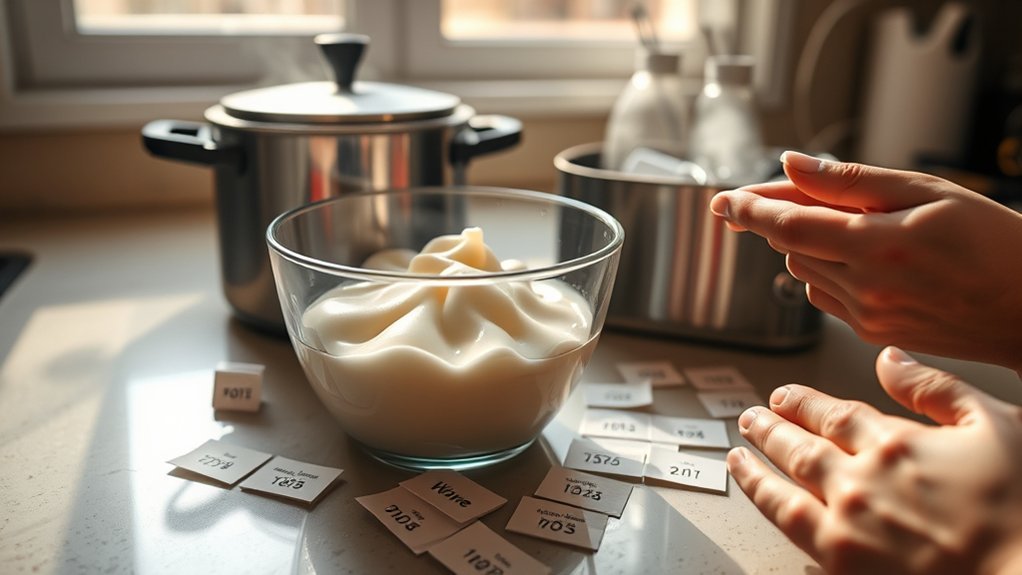
When you’ve got a bottle of frozen breast milk ready for your little one, it’s vital to thaw it safely to preserve its nutrients. Many parents wonder about the best methods and common pitfalls to avoid during this process. Understanding the do’s and don’ts can make a significant difference in ensuring your baby’s health. Let’s explore the essential guidelines that will help you navigate this important task with confidence.
Understanding the Importance of Proper Thawing
When you’re caring for your baby, ensuring the safety and quality of their food is essential, especially when it comes to thawing breast milk. Proper thawing safeguards your baby’s health by preventing the growth of harmful bacteria that can occur if milk isn’t handled correctly.
It’s important to maintain the nutrients and antibodies that breast milk provides, as these are critical for your baby’s development. Thawing breast milk improperly can compromise its effectiveness and put your little one at risk.
Best Methods for Thawing Breast Milk
When it comes to thawing breast milk, using the right methods is crucial for preserving its quality and safety.
You can choose between the refrigerator thawing method, which is slow but gentle, or a warm water bath for quicker results.
Understanding these techniques will help guarantee your baby gets the best nutrition possible.
Refrigerator Thawing Method
Thawing breast milk in the refrigerator is one of the safest methods, allowing you to maintain its nutritional quality while minimizing the risk of bacterial growth.
Simply move the frozen breast milk from the freezer to the refrigerator the night before you plan to use it. This gradual thawing process keeps the milk at a safe temperature.
Make sure to place the milk on a shelf rather than in the door, where temperatures fluctuate. Once thawed, you should use the milk within 24 hours and never refreeze it.
Always label your containers with the date, so you can track freshness. This method is simple and effective, giving you peace of mind while ensuring your baby receives the best nutrition possible.
Warm Water Bath
One effective method for thawing breast milk is using a warm water bath, which can quickly and safely bring the milk to a usable temperature.
To do this, fill a bowl or sink with warm water—not boiling—and place the sealed container of breast milk inside. Confirm the water only covers the milk up to the neck of the container to avoid contamination.
Gently swirl the milk occasionally for even warming. This method typically takes about 20 minutes, allowing you to maintain its nutrients.
Remember, never refreeze thawed milk, and avoid using a microwave, as it can create hot spots that might harm your baby.
Always check the milk temperature before feeding to verify it’s safe for your little one.
The Do’s of Thawing Breast Milk
When it comes to thawing breast milk, using the refrigerator method is one of your safest options.
This allows for gentle thawing while preserving the milk’s nutrients.
Alternatively, you can warm it under running water for a quick solution, ensuring it’s ready for your little one without compromising quality.
Use Refrigerator Method
Using the refrigerator method is one of the safest and most effective ways to thaw breast milk. By placing your frozen milk in the fridge, you allow it to thaw gradually, which helps maintain its nutritional quality.
It’s best to plan ahead and give yourself enough time—thawing can take several hours or overnight. Always store the milk in a sealed container to prevent contamination.
Once thawed, use the milk within 24 hours and never refreeze it. This method minimizes the risk of bacterial growth, ensuring your baby receives the healthiest milk possible.
Warm Under Running Water
How can you effectively thaw breast milk without compromising its quality? One of the best methods is to warm it under running water.
Place the sealed container of frozen breast milk under warm, not hot, running water for several minutes. This gentle heat helps to evenly thaw the milk while maintaining its nutrients.
Remember to continuously monitor the temperature; you want it to be comfortably warm, not scalding. After thawing, give the container a gentle swirl to mix the milk, as separation can occur.
It’s important to use the milk promptly after thawing, as this method doesn’t allow for storage. Following these steps will guarantee your baby receives the best nutrition possible while keeping the milk safe.
The Don’ts of Thawing Breast Milk
Thawing breast milk can be tricky if you don’t follow the right guidelines.
Thawing breast milk requires careful attention to guidelines to ensure safety and nutrition for your baby.
First, don’t ever use a microwave to thaw milk; it creates hot spots that can harm your baby.
Avoid leaving breast milk at room temperature for more than two hours, as bacteria can grow rapidly.
Don’t refreeze thawed breast milk; once it’s thawed, it should be used within 24 hours.
Also, steer clear of boiling water to thaw milk, as this can destroy valuable nutrients.
Finally, don’t forget to label your milk with the date it was pumped, so you can keep track of freshness.
Following these don’ts guarantees your baby receives safe and nutritious milk every time.
Recognizing Signs of Spoiled Milk
While most breast milk remains fresh and safe for your baby, it’s important to recognize the signs of spoilage to protect their health.
First, trust your senses: if the milk smells sour or has an off-putting odor, it’s likely spoiled. Additionally, observe the texture; fresh milk should be smooth and creamy, while spoiled milk may appear clumpy or grainy.
Another sign is a change in color—if the milk turns yellowish or has strange hues, it’s best to discard it.
Finally, if you notice any unusual separation that doesn’t mix back when shaken, it’s a red flag.
Being vigilant about these signs helps promote your baby’s safety and well-being, allowing you to feel more confident in your feeding choices.
Storing Thawed Breast Milk: Guidelines
When you’ve thawed breast milk, it’s crucial to store it properly to maintain its quality and safety for your baby.
After thawing, you should refrigerate the milk immediately and use it within 24 hours. Avoid refreezing thawed milk, as it can compromise its nutrients and safety. If you don’t use the thawed milk within that timeframe, it’s best to discard it.
Always label your containers with the date to track freshness easily. Store the milk in the back of the fridge, where temperatures remain consistent.
How to Safely Heat Thawed Breast Milk
After you’ve properly stored thawed breast milk, it’s important to know how to heat it safely.
Start by placing the thawed milk in a bottle or a storage bag. The best method is to warm it gently by placing the container in a bowl of warm water for a few minutes.
Avoid using boiling water or a microwave, as they can create hot spots that may burn your baby’s mouth. Always test the temperature by dropping a few drops on your wrist; it should feel comfortably warm, not hot.
If your baby doesn’t finish the bottle, discard any leftover milk to guarantee safety. Following these guidelines will help keep your baby’s feeding experience both safe and enjoyable.
Thawing and Reusing Breast Milk
Thawing breast milk correctly is vital for guaranteeing its safety and quality, especially if you plan to reuse it.
Always thaw milk in the refrigerator or under running warm water, as this helps maintain its nutrients. Once thawed, you can generally store it in the fridge for up to 24 hours.
Thaw breast milk in the refrigerator or under warm water to preserve nutrients; use within 24 hours after thawing.
However, it’s important to remember that you shouldn’t refreeze thawed breast milk. If your baby doesn’t finish a bottle, discard any remaining milk within two hours to avoid bacterial growth.
Keeping track of thawing times will help you manage your supply effectively. By following these guidelines, you can ensure that your baby receives the best nutrition while keeping their health a top priority.
Tips for Thawing Milk on the Go
If you’ve got to thaw breast milk while out and about, it’s important to have a plan to guarantee your baby’s nutrition stays safe.
Here are some tips to make the process smoother:
- Use a cooler: Keep a small cooler with ice packs handy. This helps maintain the milk’s temperature while it thaws.
- Warm water method: If you can, fill a cup or bowl with warm water and place the sealed bag or bottle inside. This method evenly thaws the milk without overheating.
- Plan ahead: If you know you’ll be out for a while, consider thawing some milk at home and bringing it along. Just remember to use it within a few hours.
Common Myths About Thawing Breast Milk
You might’ve heard that thawing breast milk in hot water is safe or that you can refreeze it after thawing.
However, these common myths can lead to potential risks for your baby’s health.
Let’s clarify the facts to guarantee you’re making the best choices for your little one.
Thawing in Hot Water
While many parents seek quick methods to thaw breast milk, using hot water often leads to misconceptions about safety and effectiveness.
It’s understandable to want to speed up the process, but this approach can actually harm the milk’s nutrients and create uneven temperatures.
Here are some common myths about thawing in hot water:
- Myth: Hot water rapidly thaws milk without damaging it.
- Myth: It’s safe to heat breast milk to body temperature in hot water.
- Myth: Thawing in hot water is more effective than other methods.
Instead, consider using cold water or the refrigerator for safe, gradual thawing.
Your baby deserves the best, and ensuring the milk’s quality is crucial for their health.
Refreezing Thawed Milk
Though it might seem convenient to refreeze thawed breast milk, doing so can lead to significant misconceptions about its safety and nutritional integrity.
Once you’ve thawed breast milk, bacteria can multiply if it isn’t consumed within 24 hours. Refreezing may compromise the milk’s quality, reducing its beneficial properties and making it less safe for your baby.
It’s crucial to respect the thawing process. Instead of refreezing, consider portioning your milk into smaller containers before freezing, so you only thaw what you need. This method helps you avoid waste and guarantees your little one gets the freshest milk possible.
Always prioritize your baby’s health by following best practices for handling breast milk. Your efforts in providing the best nutrition for your child truly matter.
Frequently Asked Questions
Can I Thaw Breast Milk in the Microwave?
You shouldn’t thaw breast milk in the microwave. It can create hot spots, damaging nutrients and posing a risk of burns. Instead, use a warm water bath or refrigerator for safe and effective thawing.
How Long Can Thawed Breast Milk Be Stored in the Fridge?
Thawed breast milk can safely be stored in the fridge for up to 24 hours. Keep it in a sealed container, and remember, it’s best to use it within that timeframe for your baby’s health.
Is It Safe to Refreeze Thawed Breast Milk?
No, it’s not safe to refreeze thawed breast milk. Once it’s been thawed, bacteria can grow, compromising its quality. Stick to using it within 24 hours after thawing to guarantee your baby’s safety.
Does Thawed Breast Milk Lose Its Nutritional Value?
Thawed breast milk doesn’t considerably lose its nutritional value. However, it’s best to use it within 24 hours for ideal benefits. Always prioritize your baby’s health by ensuring you’re following safe storage practices.
What Should I Do if My Baby Refuses Thawed Milk?
If your baby refuses thawed milk, try warming it slightly or offering it in a different bottle. You could also switch up feeding positions or try again later. Patience is key; don’t worry too much.
Conclusion
Thawing breast milk can feel intimidating, but following the right steps guarantees your baby’s safety and nourishment. While the convenience of quick methods might tempt you, remember that patience is key to preserving quality. By adhering to the do’s and avoiding the don’ts, you safeguard your little one’s health. Embrace these practices, and you’ll transform a seemingly simple task into an act of love and care that supports your baby’s growth and well-being.
