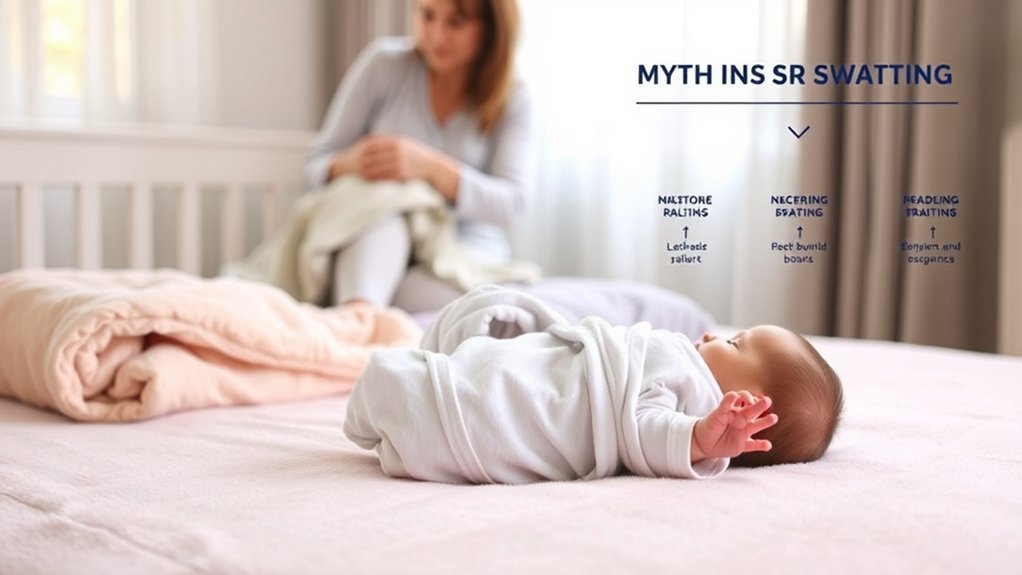
Swaddling has been around for centuries, yet myths about it still cause confusion and worry for new parents. Sorting fact from fiction matters, because getting it right affects your baby’s comfort and safety. From hip health to knowing when and how to wrap correctly, the details of this technique are worth understanding.
Quick Answer
- Swaddling is safe and beneficial when done correctly, with room for hip and leg movement.
- It does not cause hip dysplasia if you follow proper technique, keeping the legs in a natural bent position.
- Swaddling can soothe babies beyond the newborn stage, but should stop once a baby shows signs of rolling over (usually around 2–4 months).
- Always lay a swaddled baby on their back and use lightweight, breathable fabric.
Understanding the Basics of Swaddling
Swaddling is a soothing technique for newborns. It mimics the snug environment of the womb, helping babies feel secure and reducing the startle reflex that often disrupts sleep.
When swaddled, infants tend to calm down faster and sleep longer, which benefits both baby and parent. Use breathable fabrics so your baby does not overheat, and always keep the hips free to move. This helps prevent hip dysplasia.
Monitor your baby’s comfort throughout. If they show signs of distress, adjust your technique.
Common Swaddling Techniques
The classic swaddle method, arms-up technique, and hip-healthy swaddling each offer different benefits for your baby’s comfort and development.
Classic Swaddle Method
The classic swaddle method is popular for its simplicity and effectiveness. It involves wrapping your baby snugly in a soft blanket, leaving the head exposed while securing the arms and legs.
Research shows swaddling can help reduce anxiety and promote better sleep by mimicking the womb environment. Make sure the fabric is breathable, and avoid wrapping too tightly around the hips to prevent developmental issues.
Always monitor your baby for signs of overheating or fussiness. Done well, the classic swaddle creates a sense of security that helps both baby and parent rest.
Arms-Up Technique
If your baby seems to want a little more freedom, the arms-up technique is a good alternative. It lets your baby move their arms while still feeling snug.
To try it, lay your baby on a swaddle blanket, fold the bottom up, and tuck the sides around their body while leaving the arms free. Some babies find this position comforting because it mimics how they were positioned before birth.
It can also help reduce how often the startle reflex wakes them. Adjust the swaddle as needed and watch for signs of overheating.
Hip-Healthy Swaddling
Hip-healthy swaddling techniques help prevent hip dysplasia, which can occur when a baby’s legs are restricted. A few tips to swaddle safely:
- Use a breathable, stretchy fabric that allows for movement.
- Keep your baby’s legs in a natural “frog” position with knees bent and spread apart.
- The swaddle should not be tight around the hips; you should be able to fit two fingers between the fabric and your baby’s hips.
- Avoid wrapping too snugly around the chest to allow proper breathing.
Myth: Swaddling Can Cause Hip Dysplasia
You may have heard that swaddling leads to hip dysplasia. This is not necessarily true.
Swaddling done correctly is safe for your baby’s hip development. The key is following hip health guidelines so your baby stays comfortable and healthy.
Swaddling Techniques Explained
Proper technique makes all the difference. To swaddle effectively:
- Choose breathable fabrics: Use lightweight materials to prevent overheating.
- Allow for movement: Leave enough room for the hips and legs to move freely.
- Secure but not tight: Wrap snugly around the torso while keeping the arms free or gently tucked.
- Monitor your baby: Check regularly for signs of discomfort or overheating.
Hip Health Guidelines
Swaddling can provide comfort and security, but the concern about hip health is worth taking seriously. Research shows that swaddling is safe for your baby’s hips when done correctly.
The wrap should be snug around the arms but loose around the hips, keeping the legs in a natural frog-like position. The International Hip Dysplasia Institute supports this approach, noting that proper technique can actually support hip health rather than harm it.
Always monitor your baby’s comfort and adjust the swaddle as needed.
Fact: The Benefits of Proper Swaddling
Proper swaddling provides real benefits for newborns, promoting security and well-being.
- Reduces Startle Reflex: Swaddling limits sudden movements that can wake your baby.
- Improves Sleep Quality: A snug wrap helps your baby sleep longer and more soundly.
- Creates a Safe Environment: Swaddling mimics the womb, giving your baby a feeling of safety.
- Eases Adjustment: It helps your baby adjust to the outside world, reducing anxiety.
Myth: Swaddling Is Only for Newborns
Swaddling is not just for the first few weeks. Older infants can still benefit from the snugness of a swaddle, which helps reduce the startle reflex and promote better sleep.
Wrapping them securely provides a sense of safety that mirrors the womb environment. Swaddling can also help calm fussy babies beyond the newborn stage.
As your baby grows, adapt your technique to ensure the legs have room to move freely, which supports healthy hip development.
Fact: Signs Your Baby Needs to Be Swaddled
Knowing when your baby needs to be swaddled can make a real difference in their comfort and sleep quality. Look for these signs:
- Startle reflex: If your baby wakes up suddenly and often, swaddling can help them feel secure.
- Fussiness: Restless or fussy behavior may mean they need the comfort of being wrapped.
- Difficulty sleeping: Struggling to fall or stay asleep can signal they need the calming effect of a swaddle.
- Jerky movements: Frequent flailing of arms and legs can disrupt sleep. Swaddling helps contain those movements.
Myth: Swaddling Should Be Tight and Restrictive
A tighter swaddle does not mean a safer or more effective one. A swaddle should allow some movement, especially around the hips and legs.
Wrapping too tightly can cause discomfort and increase the risk of hip dysplasia, a condition that affects proper hip development. Your baby needs to feel snug but still have enough room to flex their legs and shift their arms slightly.
A well-fitted swaddle promotes security without sacrificing safety or comfort.
Fact: Safe Swaddling Guidelines
Swaddling safely is just as important as swaddling comfortably. Following these guidelines helps reduce the risk of sleep-related issues:
- Make sure your baby’s hips can move freely to prevent hip dysplasia.
- Use lightweight, breathable fabrics to regulate temperature and avoid overheating.
- Always lay your baby on their back to sleep, even when swaddled. (For more guidance, see the AAP safe sleep guidelines.)
- Stop swaddling once your baby shows signs of rolling over.
Transitioning Out of the Swaddle
As your baby grows and develops new skills, moving out of the swaddle becomes necessary for their safety and comfort.
The transition usually happens at around 2 to 4 months, once they start rolling over. Start by swaddling with one arm out, letting them adjust gradually. A sleep sack is another good option since it provides some snugness without restricting movement.
Watch your baby’s cues. If they seem restless or unhappy, try a different approach.
Frequently Asked Questions
Can Swaddling Help With Infant Sleep Problems?
Yes, swaddling can help. It provides a sense of security by mimicking the womb. Swaddle safely by allowing hip movement and avoiding overheating to get the best results.
How Long Can I Swaddle My Baby Safely?
Most babies can safely be swaddled until about 2 to 4 months old, or until they begin showing signs of rolling. Many parents find swaddling helps soothe their infants during this stage.
What Materials Are Best for Swaddling Blankets?
Soft, breathable fabrics like cotton or muslin work best. They keep your baby comfortable and help regulate temperature for a safe, cozy sleep environment.
Can I Swaddle a Baby With Reflux?
Yes, you can. Keep the swaddle snug around the arms but loose around the hips, and avoid adding pressure to the stomach, which can help reduce discomfort.
Is It Okay to Swaddle During Hot Weather?
Hot weather calls for extra caution. Use lightweight fabrics and keep your baby’s environment cool. If there is any risk of overheating, skip the swaddle or reduce layers underneath.
Conclusion
Swaddling, done right, can be one of the most effective tools you have for soothing your baby and supporting better sleep. By separating fact from myth and sticking to safe techniques, you create a calming environment that also supports healthy development. Swaddling works beyond the newborn stage, too. Follow the guidance here, stay attentive to your baby’s cues, and you will have a solid foundation for swaddling success.
