
Getting stitches can be stressful for any parent. Knowing what to do next makes a real difference, both for your child’s comfort and for how well the wound heals. You need to know how to clean the area, spot warning signs early, and manage any discomfort your child feels.
Quick Answer
- Keep the wound clean and dry for the first 24 hours.
- After 24 hours, clean gently with mild soap and water and apply petroleum jelly.
- Watch daily for redness, swelling, warmth, pus, or fever — these can signal infection.
- Use acetaminophen or ibuprofen for pain; never give aspirin to children under 18.
- Follow up with your healthcare provider within 7–10 days for wound checks and stitch removal.
Understanding Stitches: Their Importance
When your child gets a cut or laceration, understanding what stitches actually do can help you take better care of the wound.
Stitches hold the edges of a wound together so the skin heals properly while reducing the risk of infection. They’re used for cuts, lacerations, and surgical wounds to help both the skin and the tissue beneath it close correctly.
Stitches are crucial for wound closure, ensuring proper healing and reducing infection risks for cuts and lacerations.
Properly placed stitches align the skin edges, which significantly reduces scarring. Urgent care facilities can typically place them quickly after an injury occurs.
Depending on the depth and location of the wound, stitches usually stay in place for 7–10 days before a provider removes them.
Recognizing an Infection: Key Symptoms
Watching for signs of infection is one of the most important parts of caring for your child’s stitches.
Look for increasing redness and swelling around the wound, along with any unusual oozing or drainage. Heightened pain is also a red flag that needs prompt attention from a healthcare provider.
Redness and Swelling
Some redness right after an injury is normal. Redness that spreads or gets worse over time is not.
Increasing swelling in the area is another sign that something may be wrong. Warmth around the wound often goes along with this, pointing to inflammation or an immune response.
If your child develops more pain or a fever on top of these symptoms, contact a healthcare provider. Early attention prevents complications.
Oozing or Drainage
Discharge that appears creamy, green, or brown is a sign of potential infection that needs attention.
Pay close attention to redness or swelling alongside the drainage, as these often appear together when the body is fighting an infection. Pus draining from the wound calls for an immediate call to a healthcare professional.
Red streaks extending from the wound site can mean the infection is spreading and needs urgent care. Foul odors or excessive swelling are also red flags. If you’re worried, seek help.
Increased Pain Indicators
Pain that gets worse over time and goes beyond normal post-injury soreness may point to infection.
Spreading redness or warmth to the touch can signal a bacterial infection that needs medical attention. Oozing or foul-smelling drainage alongside the pain is another strong indicator.
If your child develops a fever along with increasing pain or swelling, this could indicate a systemic infection that requires urgent care. Red streaks extending from the wound toward the heart are a critical symptom of lymphangitis. Don’t wait on that one.
Caring for Stitches: A Step-by-Step Guide
Good wound care starts with keeping things clean and simple. The goal is a consistent daily routine while watching for any changes.
Initial Wound Care
For the first 24 hours, keep the wound clean and dry. After that, gently clean the area with mild soap and water. Avoid scrubbing or soaking the wound.
Apply a thin layer of petroleum jelly to support healing and reduce scarring.
Check the wound daily for signs of infection: increased redness, swelling, or pus drainage. If your child is uncomfortable, over-the-counter pain relievers like acetaminophen or ibuprofen can help.
Daily Monitoring Tips
Stay alert to any changes in the wound as it heals. During the first 24 hours, keeping it clean and dry lowers the risk of infection. After that period, clean it gently with soap and water without harsh scrubbing or soaking.
Apply petroleum jelly to keep the wound moist and minimize scarring. Check regularly for increasing redness, warmth, swelling, or pus drainage.
Follow up with a healthcare provider for suture removal. Stitches left in too long can cause complications, so don’t skip that appointment.
Infection Prevention Strategies
Start with 24 hours of keeping the wound completely clean and dry. After that, clean it gently with mild soap and water — no scrubbing directly on the wound.
Apply a thin layer of petroleum jelly to maintain moisture and support healing. Keep the stitched area away from dirty environments and out of standing water.
Check daily for signs of infection such as increased redness, swelling, or drainage. Contact a healthcare provider if anything looks or feels off.
The First 24 Hours: Cleanliness Is Key
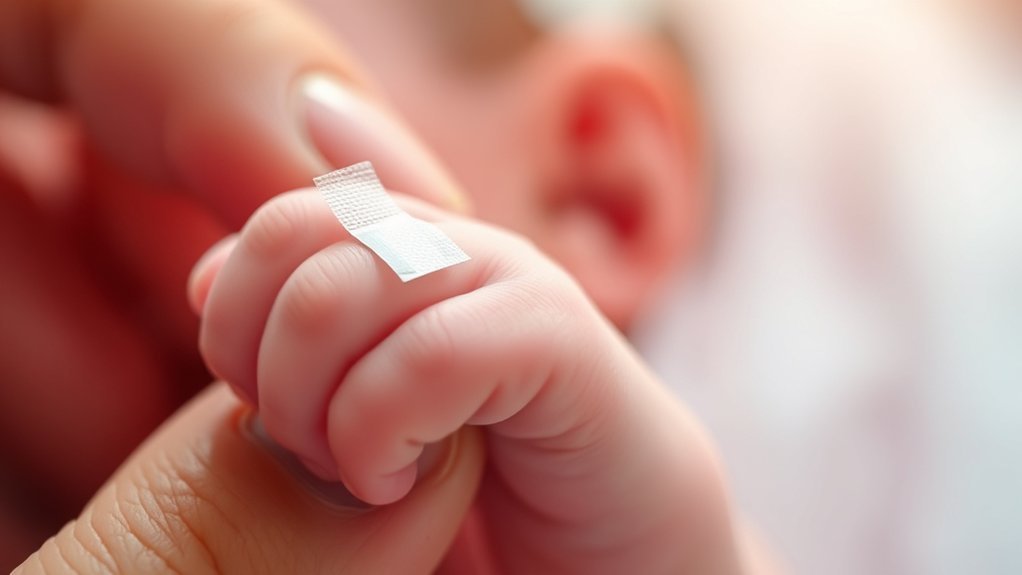
The first 24 hours after getting stitches set the tone for healing. Keep the wound clean and dry to prevent infection and give the tissue the best start.
- Wash Your Hands: Always wash your hands before touching the wound or the surrounding area to minimize bacteria exposure.
- Keep It Dry: If the area gets wet, gently pat it dry with a clean cloth. Avoid scrubbing.
- Monitor for Issues: Check regularly for excessive redness, swelling, or drainage around the stitches. If you see these signs, seek medical attention.
Manage Pain: Use Medication as Needed
Keeping your child comfortable after stitches helps them rest and recover. Over-the-counter pain relievers like acetaminophen or ibuprofen work well for most children.
Follow the dosing instructions on the label or your doctor’s guidance. Check your child’s pain level regularly. Pain that doesn’t improve with medication could signal a complication that needs medical attention.
Do not give aspirin to anyone under 18. Aspirin is linked to Reye’s syndrome, a rare but serious condition affecting the brain and liver.
Pain relief is usually most needed after the first 24 hours, when inflammation peaks during the healing process. Your child’s comfort matters, so stay attentive. It’s important to know that children’s health typically requires specialized care to address unique needs.
Daily Cleaning: Gentle but Thorough
Once you’ve managed initial comfort and pain, daily cleaning becomes the cornerstone of recovery. Follow these steps:
- Start 24 Hours After the Injury: Use mild soap and water to gently clean the area. No scrubbing.
- Keep It Covered: After cleaning, cover the wound with a clean dressing to protect it from dirt and bacteria.
- Monitor for Infection: Check for signs each time you clean — increased redness, swelling, or any drainage.
Avoid alcohol and hydrogen peroxide. Both can irritate the skin and slow down healing.
Keep It Moist: The Role of Petroleum Jelly
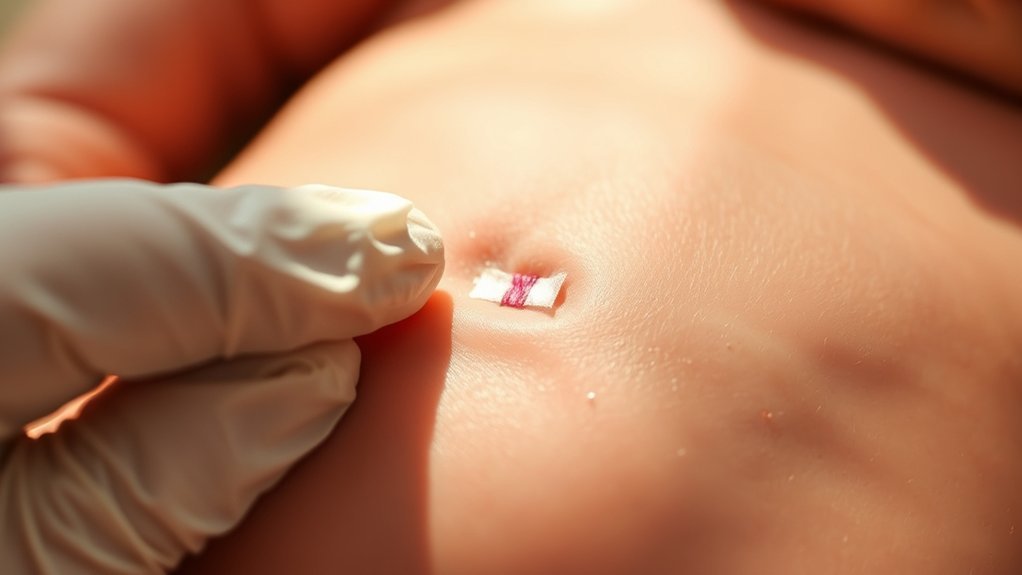
Moisture is key to healing stitched wounds. Petroleum jelly keeps the wound from drying out, which supports faster healing and reduces the chance of scarring. Start applying it after the first 24 hours to prevent a dry scab and help new skin cells grow in properly.
| Step | Action | Benefit |
|---|---|---|
| 1. Wait 24 Hours | Start applying jelly | Begins after initial healing |
| 2. Use Clean Tool | Apply with a clean finger | Minimizes infection risk |
| 3. Regularly Apply | Keep the wound moist | Promotes elasticity and healing |
| 4. Monitor Healing | Watch for changes | Supports proper recovery |
Handling Bleeding: Apply Gentle Pressure
If bleeding occurs, act calmly and follow these steps:
- Apply Gentle Pressure: Press a clean cloth or bandage directly on the wound for at least 5 minutes to help control bleeding.
- Avoid Checking Too Soon: Lifting the cloth early can disrupt the clot and cause bleeding to restart.
- Elevate the Injury: Raise the injured area above heart level when possible to slow blood flow.
If bleeding continues after 5 minutes, or if blood is spurting from the wound, seek medical attention right away.
When to Seek Emergency Care
Urgent care handles most stitch-related concerns, but some situations call for an emergency room visit. Go to the ER or call emergency services if your child experiences any of the following:
- Bleeding that doesn’t stop after 10 minutes of firm, continuous pressure
- Blood spurting from the wound
- A wound that is very deep, widely gaping, or involves the face, hands, or joints
- Red streaks spreading from the wound toward the body
- High fever (above 103°F / 39.4°C) alongside worsening wound symptoms
- Signs of shock: pale skin, rapid breathing, confusion, or loss of consciousness
When in doubt, trust your instincts. If something feels seriously wrong, go straight to the ER rather than waiting for an urgent care appointment.
Follow-Up: Regular Checks Are Vital
Follow-up visits with your healthcare provider are a key part of recovery. These appointments, typically scheduled within 7–10 days, let the provider check for signs of infection and confirm the wound is healing well.
| Follow-Up Actions | Importance |
|---|---|
| Assess wound healing | Early detection of complications |
| Monitor for infection | Prevents further health issues |
| Remove non-dissolvable stitches | Minimizes scarring |
| Discuss any concerns | Provides reassurance to parents |
| Get expert guidance | Supports recovery journey |
If you notice increased redness, swelling, or fever between visits, contact the clinic right away. Staying in communication with your care team makes a real difference in your child’s recovery.
Frequently Asked Questions
What Is the Care for Stitches?
Keep the area clean and dry for 24–48 hours, cover it with a dressing, avoid soaking, and watch for signs of infection. Follow up for removal if needed.
Who Can Legally Give Stitches?
Only licensed medical professionals — such as doctors and physician assistants — can legally place stitches. EMTs may do so in emergencies, but regulations vary by location.
What Does It Mean When Someone Has Stitches?
Stitches mean a cut or wound has been closed to support healing. The area may be tender, and following care instructions helps avoid complications.
What Helps Stitches Heal Faster?
Keep the wound clean and dry, apply petroleum jelly, eat a balanced diet rich in vitamins, avoid strenuous activity, and check regularly for infection signs.
Conclusion
Caring for your child’s stitches takes consistency, not complexity. Clean the wound gently, keep it moist, watch for infection signs, and show up for follow-up appointments. That’s most of it.
Feeling anxious is normal. Staying informed is the best antidote. Keep communication open with your healthcare provider, and reach out whenever something doesn’t look right.
