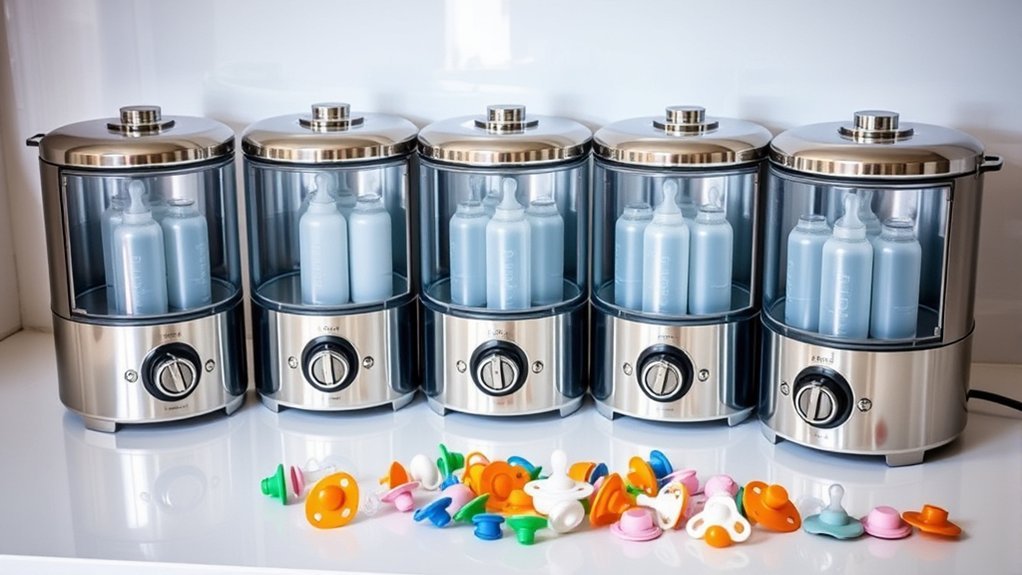
Gastrointestinal illness is one of the most common health risks for bottle-fed infants, and contaminated feeding equipment is a known contributor. Understanding when and how to sterilize your baby’s bottles can make a real difference in keeping them healthy, especially in those early months when their immune system is still developing.
Quick Answer
- Start sterilizing bottles from birth and continue daily until your baby is at least 2 months old (per CDC guidance), or through 3 months as many practitioners recommend.
- Key signs you need to sterilize: new bottles, dropped equipment, foul odors, unusual residue, or a baby showing discomfort after feeding.
- Common methods include boiling, electric steam sterilizers, microwave sterilizers, and UV sterilizers.
- After the early months, thorough washing with hot soapy water after every use remains essential, even if daily sterilization becomes less frequent.
Understanding the Importance of Bottle Sterilization
Your baby’s immune system isn’t fully developed at birth, which makes them far more vulnerable to harmful bacteria and viruses than older children or adults. This is why bottle sterilization matters so much in the early months.
The main sterilization methods are boiling, steam sterilization, and chemical solutions. Boiling is simple and costs nothing extra. Electric steam sterilizers are convenient and thorough. Chemical solutions work well when you’re traveling and don’t have access to heat.
Each method works. The key is being consistent about using one.
Common Signs That Indicate the Need for Sterilization
Staying alert to signs of potential bottle contamination helps protect your baby from unnecessary illness. Here are situations that call for sterilization:
- You’ve just introduced a new bottle or feeding accessory.
- The bottle has been dropped or touched a dirty surface.
- You notice a foul smell or unusual residue inside the bottle.
- Your baby shows signs of discomfort or illness after feeding.
- The bottle was used to store non-baby food or drinks.
When to Start Sterilizing Your Baby’s Bottles
Sterilization should begin at birth. The CDC guidelines on cleaning and sanitizing infant feeding items recommend daily sanitizing for babies under 2 months old, as well as for premature infants and those with weakened immune systems, regardless of age. Many pediatricians recommend continuing through the third month as an added precaution.
During this period, your baby’s immune system is still building its defenses, making infections harder to fight off. Regular bottle cleaning removes visible residue, but sterilization goes further by killing bacteria that washing alone may miss.
After the initial months, thorough washing with hot, soapy water before each use remains the baseline for good feeding hygiene.
How Long to Keep Sterilizing
Once your healthy baby passes the 2–3 month mark, daily sterilization is generally no longer required by major health organizations, provided bottles are washed thoroughly after every feeding. That said, there are situations where you should continue sterilizing regardless of age.
Keep sterilizing if your baby was born prematurely, has an underlying health condition, or has a weakened immune system. You should also sterilize any second-hand or borrowed bottles before first use, and after any illness that involves thrush or a gastrointestinal infection.
The UK’s National Health Service (NHS) takes a more conservative approach, recommending sterilization of all feeding equipment until at least 12 months. When in doubt, ask your pediatrician what’s right for your baby’s specific situation.
Types of Bottle Sterilizers Available
Picking the right sterilizer comes down to your routine and how often you plan to sterilize. Here are the main options:
- Electric sterilizers: Use steam and heat to kill germs quickly, often with an automatic shut-off. A solid choice for daily use at home.
- Microwave sterilizers: Compact and fast. They work well if counter space is limited.
- Cold water sterilizers: Use a sterilizing solution without any heat. Good for travel or when you don’t have access to electricity.
- UV sterilizers: Use ultraviolet light to kill bacteria without chemicals or heat, which makes them suitable for heat-sensitive materials.
- Multi-function sterilizers: Combine sterilization with drying in one appliance, saving both time and space.
How to Use a Bottle Sterilizer Effectively
Getting the most from any sterilizer starts before you even turn it on. Proper preparation and safe handling make the whole process more effective.
Preparing Bottles for Sterilization
Bottles need to be clean before they go into the sterilizer. Residue left in the bottle can prevent sterilization from working properly. Follow these steps:
- Disassemble the bottles: Separate nipples, rings, and caps.
- Rinse with warm water: Remove leftover milk or formula right away.
- Wash with soap: Use mild dish soap on bottles and all accessories.
- Scrub thoroughly: A bottle brush helps clean the bottom and any hard-to-reach areas.
- Rinse completely: No soap residue should remain before sterilization.
Operating the Sterilizer
Once your bottles are clean, using the sterilizer is straightforward. Always check the manufacturer’s instructions for your specific model.
| Step | Action | Notes |
|---|---|---|
| 1 | Select sterilizer settings | Choose time and method |
| 2 | Place bottles correctly | Avoid overcrowding |
| 3 | Add water if needed | Refer to your model’s instructions |
| 4 | Start the sterilization process | Monitor for completion |
| 5 | Allow to cool before handling | Use tongs for safety |
Safety Precautions to Follow
Following a few basic safety steps helps the sterilizer do its job and keeps you from getting burned.
- Read the sterilizer’s manual before the first use.
- Use only bottles and accessories that are compatible with your sterilizer.
- Keep the sterilizer clean and free of mineral buildup or debris.
- Place it on a stable, heat-resistant surface during use.
- Let bottles cool fully before handling — use tongs to avoid burns.
Incorporating Sterilization Into Your Daily Routine
A consistent daily routine takes the guesswork out of bottle hygiene. The right tools make it much easier to stay on track.
Daily Sterilization Schedule
Building sterilization into your existing routine helps you stay consistent without it feeling like an extra task. A few simple habits go a long way:
- Sterilize bottles after each use during the newborn phase.
- Set specific times for sterilization, such as after the morning and evening feedings.
- Use a dedicated sterilizer to make the process faster.
- Keep sterilized and unsterilized bottles in separate areas to avoid confusion.
- Allow bottles to cool and dry fully before storing or using them.
Essential Sterilization Tools
Having the right tools makes your routine faster and more reliable. Steam sterilizers use high heat to eliminate bacteria in minutes. Microwave sterilizers are a practical option for busy households. UV sterilizers work without heat, which suits certain bottle materials better.
Whichever method you choose, follow the manufacturer’s instructions and keep the sterilizer itself clean. A poorly maintained sterilizer won’t perform as well over time.
Tips for Maintaining a Clean Feeding Environment
Bottle cleaning and sterilization are only part of the picture. The environment where you prepare and handle bottles matters too. Here are some practical steps to keep feeding safe:
- Wash your hands thoroughly before each feeding.
- Use a designated area for bottle cleaning and preparation.
- Clean all feeding equipment with hot, soapy water after each use.
- Sterilize bottles and nipples regularly to remove lingering germs.
- Store clean bottles in a dust-free spot, ideally covered or inside a cabinet.
Frequently Asked Questions
Can I Sterilize Bottles in the Microwave?
Yes, but only if the bottles are labeled microwave-safe. Some plastics can warp under microwave heat. Use a dedicated microwave sterilizer or a bowl with water, and always follow the manufacturer’s instructions for your specific bottles.
How Long Does the Sterilization Process Take?
Most methods take between 5 and 15 minutes, depending on what you’re using. Always follow manufacturer guidelines to make sure bottles reach the time and temperature needed to kill harmful bacteria.
Are There Specific Sterilization Methods for Different Bottle Materials?
Yes. Glass, plastic, and silicone bottles each have different heat tolerances and compatibility with sterilization methods. Check what your bottle manufacturer recommends before choosing a method to avoid damage.
Is It Necessary to Sterilize Bottles After Every Use?
Not necessarily. Thorough washing after every feeding is the baseline. Daily sterilization is most important for newborns and babies under 2 months. For older, healthy babies, careful washing between uses is generally sufficient, with sterilization reserved for higher-risk situations.
Can I Use Homemade Sterilization Techniques?
Yes. Boiling bottles in water for at least 5 minutes is a well-established method. A diluted bleach solution is also an option recommended by the CDC for situations where heat isn’t available. Clean the bottles thoroughly before using any of these methods to get the best results.
Conclusion
Regular bottle sterilization is one of the simplest things you can do to protect your baby’s health in those critical early months. Many parents fall into inconsistent habits over time, which raises the risk of contamination going unnoticed. By knowing the signs that call for sterilization, choosing the right method for your routine, and keeping the whole feeding environment clean, you give your baby’s developing immune system a much stronger foundation.
