It’s interesting how your child’s sleep position can reveal so much about their emotional state. For instance, have you noticed your little one curling up in a fetal position? This common posture might suggest they’re seeking comfort and security. Understanding these sleep habits can offer valuable insights into their personality and emotional needs. So, what does your child’s sleeping style say about them? Let’s explore the meanings behind these positions.
Understanding the Fetal Position: Comfort and Security
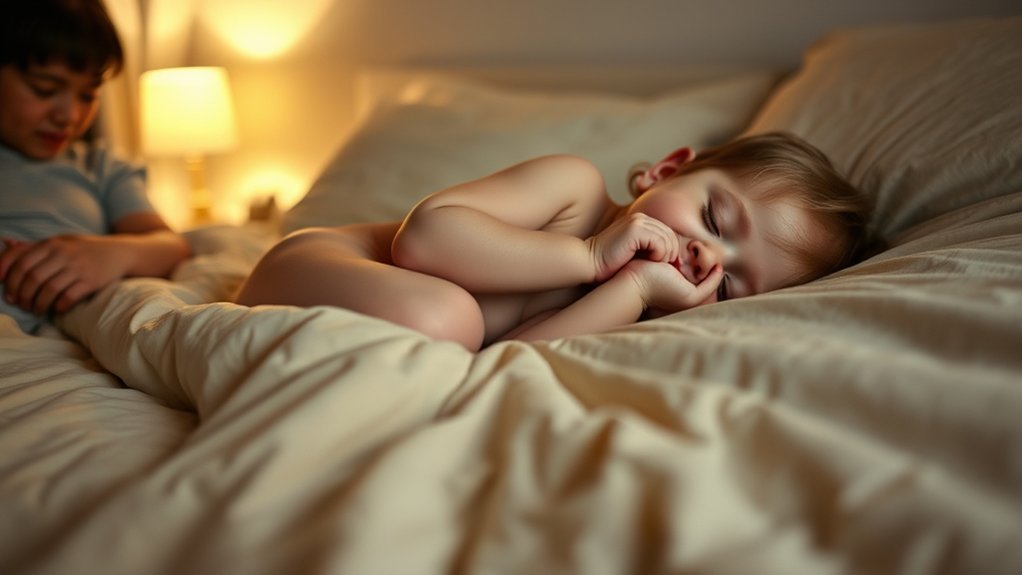
When you curl up in the fetal position, you might find a sense of comfort and security that’s hard to replicate in other sleeping postures. This position mimics the protective embrace of the womb, which can evoke feelings of safety and warmth.
Research shows that many people gravitate towards this posture during stressful times, as it can promote relaxation and reduce anxiety. By tucking your knees towards your chest, you’re not only protecting your essential organs but also creating a cozy environment that encourages restful sleep.
However, while it can be comforting, be mindful of potential discomfort for some, like back pain. Ultimately, if this position helps you feel secure and rested, it could be the perfect choice for your nightly routine.
The Starfish Sleeper: Independence and Openness
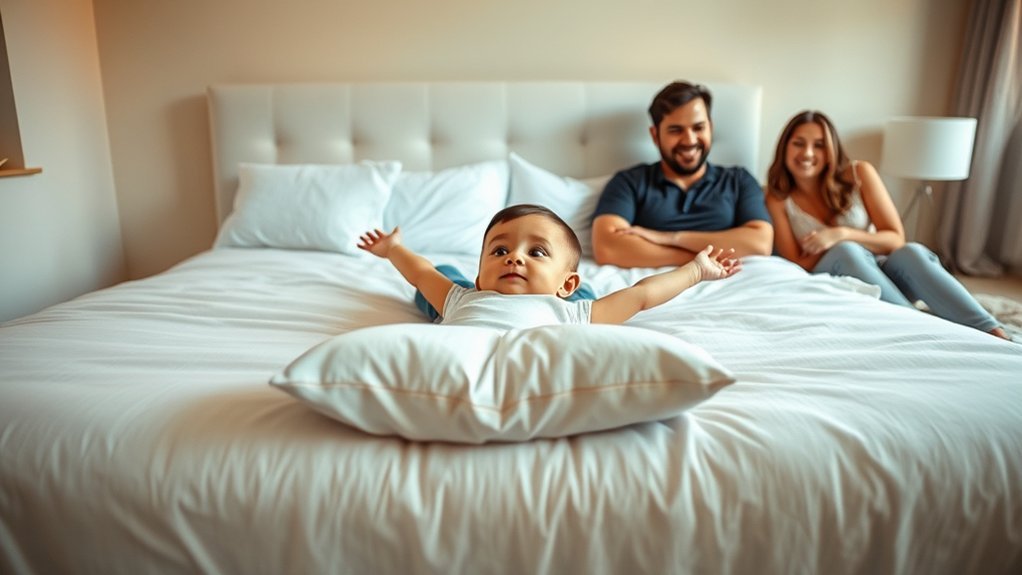
While the fetal position offers a sense of security, the starfish sleeper embodies a different kind of comfort—one rooted in independence and openness.
If your child sleeps like a starfish, arms stretched wide, it can indicate they’re confident and self-assured. This position often reflects a willingness to embrace the world around them, suggesting they feel safe and secure in their environment.
Research shows that starfish sleepers typically have a positive self-image and a strong sense of autonomy.
As a parent, recognizing this trait in your child can be empowering; it encourages you to foster their independence further. By celebrating their unique sleep style, you support their growth and confidence, nurturing a healthy sense of self in your little starfish.
The Freefall Position: An Indicator of Anxiety

Though you might find it endearing to watch your child sleep in the freefall position—face down with arms wrapped around their pillow—this posture can sometimes signal underlying anxiety.
Children who adopt this position often feel a need for security, as they may be trying to shield themselves from perceived threats. Research indicates that this sleeping style may correlate with increased anxiety levels, as it resembles a defensive stance.
Children sleeping in the freefall position may be expressing a need for security, often linked to underlying anxiety.
If you notice your child frequently sleeping this way, consider evaluating their daily stressors, such as school pressures or social dynamics. Open communication is essential; encourage them to express their feelings.
Creating a calming bedtime routine can also help alleviate anxiety, making it easier for them to find a more restful sleep position.
The Side Sleeper: Balance and Adaptability
Side sleepers often exhibit a natural balance and adaptability that reflects their personality traits.
If you find yourself sleeping on your side, you likely embrace harmony in your life and relationships. This position promotes spinal alignment and reduces discomfort, which may suggest that you prioritize your well-being and comfort.
Research shows that side sleeping can enhance digestion and decrease snoring, indicating an ability to adapt to physical needs. You may also be more open-minded and empathetic, traits that help you connect well with others.
As a parent, your side-sleeping habit may translate into a nurturing approach, fostering emotional resilience in your children. Understanding this connection can help you create a more supportive environment for both yourself and your family.
The Stomach Sleeper: Personality Traits and Concerns
If you find yourself sleeping on your stomach, you might be someone who values control and independence, traits often associated with this position.
Stomach sleepers tend to be more extroverted and spontaneous, often thriving in social situations. However, this position can lead to physical concerns, like neck and back pain, due to the strain it places on your spine.
It may also increase the risk of sleep apnea since it can constrict airways. If you’re a parent, you might want to reflect on shifting to side sleeping for better alignment and comfort, especially as your body changes.
Frequently Asked Questions
How Can I Encourage My Child to Sleep in a Healthier Position?
Encourage your child to sleep on their back by making it comfortable with supportive pillows and blankets. Establish a bedtime routine that promotes relaxation, and gently remind them of the benefits of healthier sleep positions.
Are Certain Sleep Positions Linked to Sleep Disorders?
Certain sleep positions can indeed be linked to sleep disorders, like obstructive sleep apnea or chronic insomnia. By understanding these connections, you can help improve your child’s sleep quality and overall well-being, like a guiding star.
What Sleep Position Is Best for Infants?
The best sleep position for infants is on their backs. This reduces the risk of sudden infant death syndrome (SIDS). Always guarantee the sleeping surface is firm and free of soft bedding for safety.
How Do Sleep Positions Affect Sleep Quality?
Your sleep position greatly impacts your sleep quality. Sleeping on your back promotes alignment, while side positions can reduce snoring. Experimenting with various positions helps you discover what leads to deeper, more restorative rest for you.
Can Sleep Positions Change With Age or Development?
Yes, sleep positions can change as you age or develop. Factors like physical growth, comfort preferences, and health conditions influence your sleeping habits, leading to shifts in how you naturally position yourself during sleep.
Conclusion
So, next time you peek in on your little one, remember: if they’re curled up like a cozy burrito, they might just need a hug, while the starfish sprawled out like they own the bed is ready to take on the world! And if they’re face-down like a pancake, well, maybe it’s time for a chat about that school project weighing them down. Understanding these sleep positions can help you nurture their emotional journey—one snooze at a time!
