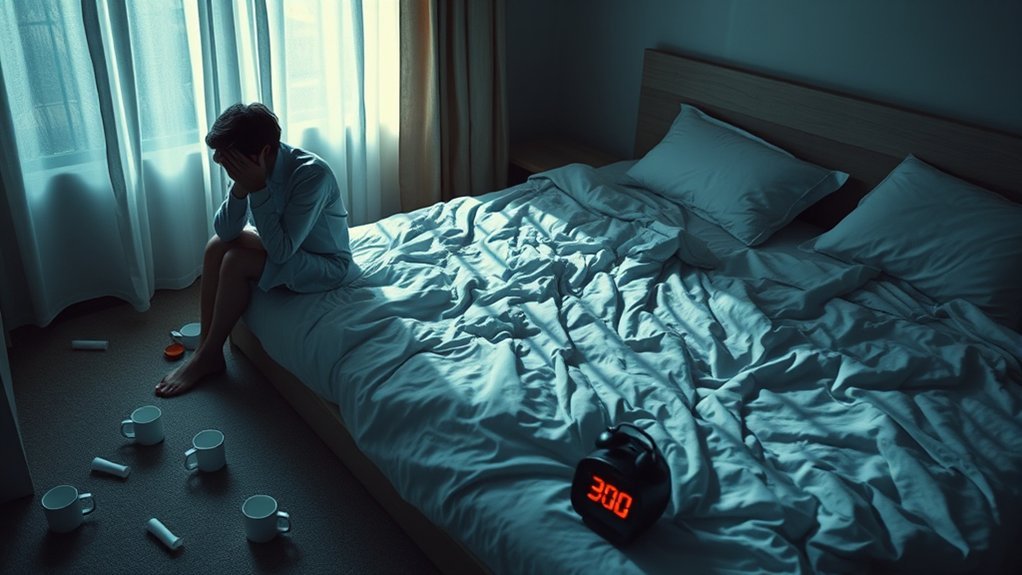
If you’ve ever found yourself feeling irritable or anxious after a restless night, you’re not alone. Sleep deprivation can wreak havoc on your mood, affecting how you process emotions and handle stress. Understanding this connection is essential for your mental well-being. But what happens when lack of sleep becomes a pattern? And how can you break the cycle? Let’s explore the answers to these pressing questions and more.
What Is the Relationship Between Sleep and Mood?
When you don’t get enough sleep, it’s not just your energy levels that take a hit; your mood can also plummet.
Lack of sleep disrupts your brain’s ability to process emotions, leading to irritability and heightened stress. You might find yourself snapping at loved ones or feeling unusually anxious.
Research shows that sleep deprivation can decrease serotonin levels, a key neurotransmitter affecting mood. Without adequate rest, you’re more likely to experience negative thoughts and feelings, making it harder to cope with daily challenges.
This relationship between sleep and mood underscores the importance of prioritizing rest. By understanding how sleep impacts your emotional state, you can take steps to improve both your sleep quality and overall well-being.
How Does Sleep Deprivation Affect Emotional Regulation?
Sleep deprivation greatly impacts your ability to regulate emotions, making it challenging to respond to stressors effectively. When you’re sleep-deprived, your brain’s emotional centers become overactive, leading to heightened emotional responses. This can result in irritability, anxiety, and difficulty managing frustration.
| Emotional Response | Impact of Sleep Deprivation |
|---|---|
| Irritability | Increased frustration |
| Anxiety | Heightened feelings |
| Sadness | Lowered mood |
| Anger | Impulsive reactions |
| Stress | Reduced coping strategies |
You might find it harder to think clearly, which can amplify negative feelings and create a cycle of poor emotional regulation. Recognizing this effect is essential for addressing your mental well-being and enhancing your emotional resilience.
Can Lack of Sleep Lead to Mental Health Disorders?
When you don’t get enough sleep, it can create a ripple effect on your mental health, often leading to anxiety and depression.
Lack of restorative sleep disrupts your emotional balance, making it harder to cope with daily stressors.
Over time, this chronic sleep deprivation can contribute to more serious mental health disorders, impacting your overall well-being.
Sleep and Anxiety Disorders
Although many people underestimate the impact of insufficient sleep, it can greatly contribute to the onset and exacerbation of anxiety disorders.
When you don’t get enough rest, your brain struggles to manage stress and regulate emotions effectively. This can lead to heightened feelings of anxiety, making it harder for you to cope with daily challenges. You might find yourself feeling more irritable and tense, which only adds to your worries.
Sleep deprivation can also disrupt the balance of neurotransmitters, further intensifying anxious thoughts. It’s essential to recognize this connection; prioritizing sleep can considerably improve your mental health.
Depression and Sleep Loss
Insufficient sleep not only exacerbates anxiety but can also play a significant role in the development of depression. When you don’t get enough sleep, your brain struggles to regulate emotions effectively. This can lead to increased irritability, sadness, and a sense of hopelessness.
Furthermore, chronic sleep deprivation can disrupt the natural balance of neurotransmitters that are essential for mood regulation. You might find it harder to cope with stressors, and everyday challenges may feel overwhelming.
Studies show that individuals experiencing sleep loss are at a higher risk for developing depressive disorders. Prioritizing good sleep hygiene isn’t just about rest; it’s an important step in safeguarding your mental health and emotional well-being.
Recognizing this connection is vital for your overall health.
Long-term Effects on Health
Chronic sleep deprivation greatly impacts your overall health, often leading to serious mental health disorders. You might experience increased anxiety, depression, or even cognitive decline as a result of prolonged sleep loss. Understanding the connection between sleep and mental well-being is essential for your health.
| Symptoms | Mental Health Effects | Long-term Consequences |
|---|---|---|
| Fatigue | Increased anxiety | Memory impairment |
| Mood swings | Depression | Increased risk of disorders |
| Irritability | Cognitive decline | Impaired decision-making |
What Are the Short-Term Effects of Sleep Deprivation on Mood?
When you don’t get enough sleep, your mood can quickly take a nosedive. You might find yourself feeling irritable or anxious, struggling to manage your emotions effectively.
The short-term effects can be quite noticeable and may include:
The immediate impact of sleep deprivation can lead to increased stress, irritability, and mood swings.
- Increased feelings of stress and frustration
- Heightened sensitivity to negative stimuli
- Difficulty concentrating and making decisions
- Greater likelihood of mood swings
These mood changes can impact your interactions with others, leading to misunderstandings and conflicts.
You may feel overwhelmed by everyday challenges, making it hard to enjoy activities you typically love. Recognizing these symptoms is vital, as addressing sleep deprivation can help restore your emotional balance and improve your overall well-being.
Prioritizing rest is essential for maintaining a healthy mood.
How Does Chronic Sleep Deprivation Impact Emotional Resilience?
Chronic sleep deprivation can greatly challenge your ability to regulate emotions, making it harder to cope with stressors.
You might find that even minor frustrations feel overwhelming, as fatigue erodes your emotional resilience.
Additionally, increased anxiety levels can become more pronounced, leaving you feeling on edge and less equipped to manage daily pressures.
Emotional Regulation Challenges
Although you may not realize it, the impact of sleep deprivation on emotional resilience can be profound. When you’re sleep-deprived, your capacity to manage emotions becomes compromised. This can lead to emotional regulation challenges that affect your daily life.
You might notice:
- Increased irritability over minor issues
- Difficulty concentrating on tasks
- Heightened sensitivity to criticism
- Trouble bouncing back from setbacks
These emotional struggles can hinder your relationships and overall well-being.
It’s essential to recognize that chronic sleep deprivation doesn’t just make you tired; it erodes your ability to cope with stress and maintain a balanced mood. Prioritizing sleep can be a vital step in restoring your emotional resilience and improving your quality of life.
Increased Anxiety Levels
Sleep deprivation greatly contributes to increased anxiety levels, making it harder for you to navigate everyday stressors. When you’re sleep-deprived, your brain struggles to effectively manage emotions, leading to heightened feelings of worry and fear. This can create a vicious cycle, where anxiety further disrupts your sleep.
Here’s a quick look at how sleep affects your anxiety:
| Sleep Quality | Anxiety Levels | Emotional Resilience |
|---|---|---|
| Good | Low | High |
| Moderate | Moderate | Moderate |
| Poor | High | Low |
Understanding this relationship can help you prioritize sleep, which is essential for maintaining emotional balance. By improving your sleep habits, you can enhance your resilience against anxiety and better handle life’s challenges.
What Strategies Can Improve Sleep Quality and Mood?
When you prioritize your sleep quality, you’ll likely notice a positive shift in your mood and overall well-being. Improving your sleep doesn’t have to be complicated.
Here are some effective strategies to reflect upon:
- Establish a Routine: Go to bed and wake up at the same time each day to regulate your body’s internal clock.
- Create a Relaxing Environment: Keep your bedroom dark, quiet, and cool to promote restful sleep.
- Limit Screen Time: Reduce exposure to screens at least an hour before bedtime to help your brain wind down.
- Practice Relaxation Techniques: Engage in activities like meditation or deep breathing before bed to ease stress.
When Should I Seek Professional Help for Sleep-Related Mood Issues?
How can you tell if your sleep-related mood issues require professional intervention? If you’re experiencing persistent anxiety, depression, or irritability that disrupts daily life, it’s time to seek help.
Consider reaching out if your mood swings are severe or if you’re withdrawing from loved ones. If sleep issues lead to difficulty at work or school, that’s another red flag.
You should also consult a professional if you find it hard to concentrate or if negative thoughts become overwhelming.
Remember, seeking help isn’t a sign of weakness; it’s a proactive step toward better health. A mental health professional can guide you in understanding and managing your mood while addressing any underlying sleep disorders.
You’re not alone in this journey.
Frequently Asked Questions
Can Sleep Deprivation Affect Physical Health as Well?
Yes, sleep deprivation can considerably impact your physical health. It weakens your immune system, increases the risk of chronic conditions, and affects your metabolism. Prioritizing sleep is essential for overall well-being and health.
How Does Caffeine Impact Sleep and Mood?
Caffeine can disrupt your sleep cycle, leading to irritability and anxiety. For instance, if you drink coffee late in the day, you might find it harder to sleep, negatively affecting your mood the next day.
Is Napping Beneficial for Mood Improvement?
Yes, napping can boost your mood. A short nap revitalizes your brain, enhances focus, and reduces stress. Just be mindful of timing to avoid interfering with your nighttime sleep for the best benefits.
Does Age Influence Sleep Needs and Mood?
Yes, age does influence your sleep needs and mood. As you navigate different life stages, your body requires varying amounts of rest, impacting your emotional well-being and overall energy, so it’s essential to adjust accordingly.
Are There Specific Foods That Enhance Sleep Quality?
Yes, certain foods can enhance sleep quality. Incorporate almonds, kiwi, and fatty fish into your diet. They contain melatonin, magnesium, and omega-3s, which promote relaxation and improve your overall sleep experience.
Conclusion
In the grand scheme of things, sleep really is the foundation for emotional health. By prioritizing quality rest, you can better manage your mood and enhance your overall well-being. Remember, addressing sleep issues isn’t just about feeling tired; it directly influences how you process emotions and interact with others. If you find yourself struggling, don’t hesitate to seek professional help. Taking steps toward better sleep can make a world of difference in your mental health journey.
