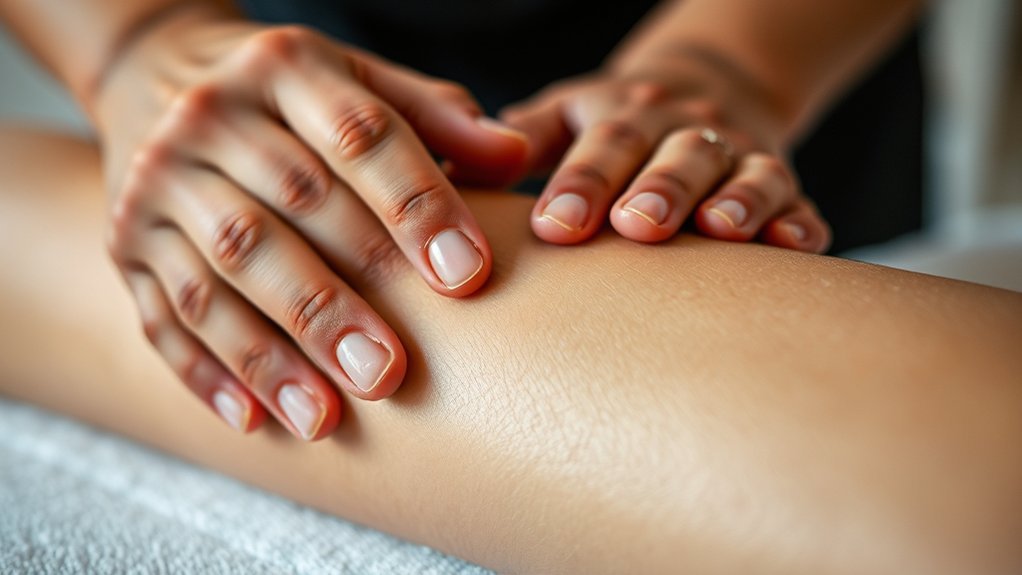
It’s interesting how a simple scar can tell a complex story about your body’s healing process. If you’ve noticed changes in your scar’s texture or flexibility, you might be wondering if scar massage could help. However, it’s essential to recognize when massage is beneficial and when it may pose risks. Understanding the signs and symptoms related to scar massage can guide your approach to treatment effectively. Let’s explore what you need to know next.
Understanding Scars: Types and Characteristics
Scars are the body’s natural response to healing after an injury, and they come in various types with distinct characteristics.
You might encounter flat scars, which are often lighter than your surrounding skin, or raised scars, known as hypertrophic or keloid scars, which can be thicker and more pronounced.
Atrophic scars, on the other hand, create a sunken appearance due to loss of tissue. Each type varies in texture and coloration, and understanding these differences is essential for effective treatment.
Emotional responses to scars can also vary; they may evoke pride, pain, or self-consciousness.
Recognizing the type of scar you have can guide you in seeking appropriate care, ultimately supporting both physical healing and emotional well-being.
Indications for Scar Massage
Scar massage offers several benefits, including improved texture and flexibility of the scar tissue.
It’s important to contemplate the ideal timing for starting treatment, as initiating massage too soon can hinder healing.
Benefits of Scar Massage
When you engage in scar massage, you may experience a range of benefits that promote healing and improve the appearance of your scars.
This technique can help soften and flatten the scar tissue, making it less noticeable. By increasing blood flow to the area, scar massage may enhance nutrient delivery, which supports healing.
You might also find that it reduces itchiness or discomfort associated with scars, helping you feel more at ease. Additionally, regular massage can improve the flexibility of the skin, preventing tightness and discomfort.
Ideal Timing for Treatment
Understanding the ideal timing for scar massage can greatly enhance its effectiveness. Proper timing can notably improve your results and comfort.
Here are three key indications for when to start your scar massage:
- After Wound Closure: Begin once your stitches or staples are removed and the skin is fully closed, typically within 1-2 weeks post-surgery.
- When Scars Are Mature: You should wait until your scars have matured, usually around 3-6 months, as they become less sensitive and more pliable.
- When You Experience Symptoms: If you notice discomfort, tightness, or itchiness, it’s a sign that scar massage may be beneficial to alleviate these symptoms.
Techniques for Effective Massage
Effective scar massage techniques can markedly enhance healing and improve the appearance of scars. By incorporating specific methods, you can promote circulation and break down collagen fibers, making the scar more pliable.
Here’s a quick guide to some effective techniques:
| Technique | Description | Duration |
|---|---|---|
| Circular Motion | Use your fingertips to make small circles around the scar. | 5-10 minutes daily |
| Linear Stretching | Gently pull the skin away from the scar in all directions. | 5-10 minutes daily |
| Pinching | Pinch the scar and surrounding skin gently between your fingers. | 5 minutes daily |
| Friction Massage | Rub the scar with a soft cloth or fingers back and forth. | 5-10 minutes daily |
| Tapping | Lightly tap the scar with your fingertips. | 5 minutes daily |
Consistent application of these techniques can lead to noticeable improvements over time.
Symptoms That Suggest Massage Is Necessary
If you’re experiencing a limited range of motion, pain, or discomfort around a scar, it’s important to contemplate massage as a potential treatment.
Additionally, if the appearance of your scar tissue seems abnormal or raised, massage can help improve its texture and function.
Recognizing these symptoms early can lead to more effective management and recovery.
Limited Range of Motion
When scar tissue forms, it can lead to a limited range of motion, making everyday activities challenging and uncomfortable.
You might notice these signs that suggest massage is necessary:
- Difficulty with Daily Tasks: Simple actions like reaching for an object, tying your shoes, or lifting your arms become frustratingly hard.
- Stiffness After Rest: You feel stiff or tight in the affected area after sitting or lying down for a while, making it hard to get moving again.
- Reduced Flexibility: You struggle to stretch or bend normally, which can hinder your physical activities and overall quality of life.
Addressing these symptoms through scar massage can help restore mobility and improve your daily function.
Pain or Discomfort
Scar tissue not only restricts movement but can also cause pain or discomfort in the affected area. You might experience sensations that range from mild irritation to intense pain, signaling that massage could be beneficial. Recognizing these symptoms is essential for effective management.
| Symptom | Description |
|---|---|
| Sharp Pain | Sudden, intense feelings in the scar |
| Aching Sensation | Dull pain that lingers |
| Tenderness | Discomfort when touched or pressed |
| Burning Sensation | A feeling of warmth or heat |
| Stiffness | Difficulty in moving the scar region |
Identifying these signs can help you address the underlying issues, making scar massage a necessary part of your recovery process.
Scar Tissue Appearance
Although scar tissue may initially appear smooth and flat, it can develop uneven textures and discoloration, indicating that massage might be beneficial.
You might notice certain signs that suggest your scar tissue needs attention.
- Thickened or raised areas: If you feel bumpy or hard sections, this suggests abnormal tissue formation.
- Color changes: If the scar appears red, purple, or darker than surrounding skin, it may indicate poor circulation or inflammation.
- Decreased flexibility: If the skin feels tight or doesn’t stretch easily, massage can help restore mobility.
Recognizing these signs can empower you to take action.
Regular massage can improve the appearance of your scar, promoting healing and restoring confidence in your skin.
Signs That Indicate Caution Is Needed
Recognizing signs that warrant caution during scar massage is essential for effective healing.
If you notice increased redness, swelling, or warmth around the scar, it could indicate inflammation or infection. Pain that persists or worsens during or after massage should prompt you to stop and consult a healthcare professional.
Additionally, if you experience any unusual discharge or a foul odor from the scar, seek immediate medical advice. Be mindful of any changes in sensation, such as numbness or tingling, as these may signal nerve involvement.
It’s vital to listen to your body; if something feels off, don’t hesitate to pause your massage routine and discuss your concerns with a physician or physical therapist for guidance.
Alternative Treatments for Scar Management
If you’re looking to manage scars effectively, several alternative treatments can complement traditional methods.
These approaches may help improve the appearance and texture of your scars:
- Silicone Gel Sheets: These sheets can hydrate the scar and reduce its size and redness over time. They’re easy to apply and can be worn under clothing.
- Essential Oils: Oils like lavender or tea tree oil may promote healing and provide anti-inflammatory benefits. Dilute them with a carrier oil before applying.
- Microneedling: This procedure stimulates collagen production, which can improve the texture of scars. It’s best performed by a licensed professional for ideal safety and results.
Consider discussing these options with your healthcare provider to determine what’s best for your specific needs.
How to Perform Scar Massage Safely
To effectively perform scar massage, it’s essential to follow specific techniques that guarantee both safety and efficacy.
Start by ensuring the area is clean and well-hydrated. Use a gentle, circular motion with your fingertips, applying mild pressure. Focus on the scar and surrounding tissue, massaging for about 5-10 minutes, two to three times a day.
Always listen to your body; if you feel pain or discomfort, reduce the pressure or duration. Avoid massaging over broken skin or infections.
Using a silicone gel or lotion can enhance the massage and improve hydration.
Finally, be patient—results take time, and consistency is key to achieving best outcomes. Remember, consult a healthcare professional if you have any concerns.
Frequently Asked Questions
How Long Should I Massage a Scar Daily?
You should massage your scar for about 10 to 15 minutes daily. Regularly applying gentle pressure can help improve its appearance and flexibility, so be consistent and patient for the best results over time.
Can Scar Massage Help With Emotional Healing?
Yes, scar massage can aid emotional healing. By fostering a connection with your body and addressing physical sensations, you can promote self-acceptance and reduce anxiety, ultimately supporting your emotional well-being throughout the healing process.
Are There Any Risks of Over-Massaging a Scar?
Over-massaging a scar’s like wearing a heavy cloak—uncomfortable and restricting. You risk causing irritation, inflammation, or even worsening the scar’s appearance. It’s essential to balance care with caution to promote healing without harm.
Is Scar Massage Effective for Old Scars?
Yes, scar massage can be effective for old scars. It helps improve texture and flexibility, while reducing discomfort. However, results vary, so it is crucial to consult a healthcare professional for personalized guidance and techniques.
What Oils or Creams Should I Use During Massage?
You can use oils like coconut or jojoba, or creams containing silicone or vitamin E during your massage. These products can help improve skin hydration, promote elasticity, and enhance the overall effectiveness of your massage routine.
Conclusion
Incorporating scar massage into your healing routine can greatly improve flexibility and reduce discomfort, with studies showing that up to 80% of individuals experience enhanced scar appearance and function. However, it’s essential to listen to your body and recognize when to seek professional advice. By understanding the signs for and against massage, you can promote a more effective healing journey. Remember, your skin’s health is paramount, and taking the right steps can make all the difference.
