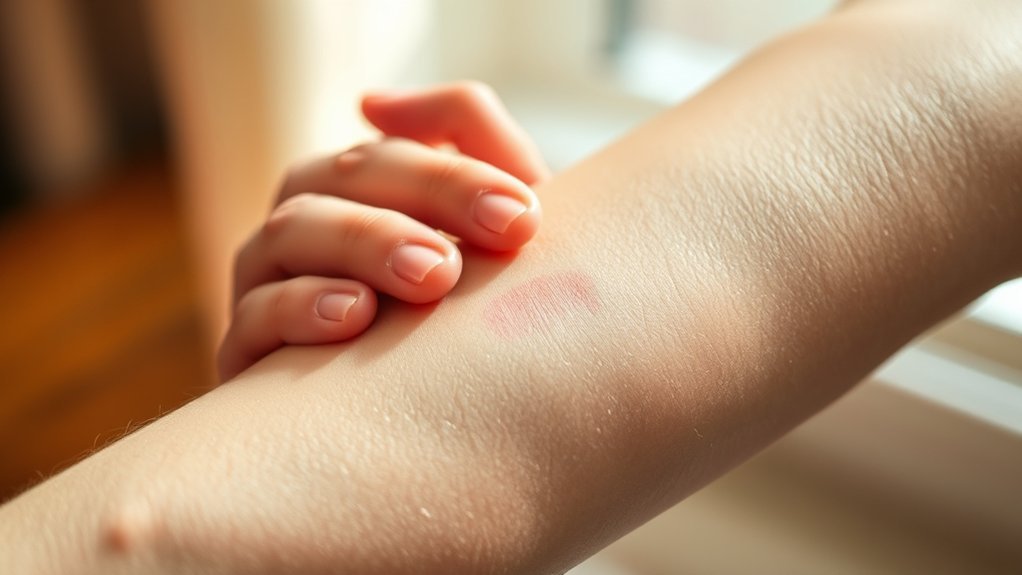
Scar massage can be both a helpful tool and a source of confusion. While many hope for complete scar removal, the reality is that it primarily improves texture and appearance. Understanding the facts versus myths surrounding this practice is essential for effective scar management. Are you ready to explore the truths that can enhance your self-confidence?
Understanding Scars and Their Formation
When you experience a skin injury, your body works hard to heal itself, leading to the formation of scars. Scars develop as your body replaces damaged skin with fibrous tissue, primarily collagen. This process can occur after cuts, burns, or surgical wounds.
The severity and appearance of scars depend on several factors, including the depth of the injury, your age, and genetics. Initially, scars may appear red or dark, but they often fade over time. However, some scars can become raised or hypertrophic, while others may develop into keloids.
Understanding how scars form helps you manage your expectations during the healing process. Proper care can improve the appearance of scars and support your skin’s overall health and recovery.
The Purpose of Scar Massage
Scar massage serves several important purposes in the healing process. It helps improve blood circulation, which can enhance nutrient delivery to the scar tissue. Additionally, it may reduce stiffness and improve flexibility, making the area more functional. Regular massage can also flatten raised scars and promote even skin texture.
| Purpose | Benefits |
|---|---|
| Improves circulation | Enhances nutrient delivery |
| Reduces stiffness | Increases flexibility |
| Flattens raised scars | Promotes even texture |
| Enhances skin appearance | Boosts self-confidence |
Common Myths About Scar Massage
Many people believe that scar massage is a one-size-fits-all solution, but its effectiveness can vary based on individual circumstances.
Understanding the right techniques and how they contribute to scar treatment is essential for achieving the best results.
Let’s clear up some common misconceptions so you can make informed decisions about your scar care.
Scar Massage Effectiveness
Numerous myths surround the effectiveness of scar massage, leading to confusion about its benefits. It’s crucial to separate fact from fiction to understand what scar massage can truly achieve.
| Myth | Fact |
|---|---|
| Scar massage can remove scars | It can improve texture and appearance. |
| Everyone will see results | Results vary based on individual factors. |
| It works instantly | Consistency over time is key for benefits. |
| It’s painful | It should be comfortable, not painful. |
| Only professionals can do it | You can effectively perform it at home. |
Techniques for Scar Treatment
Understanding the techniques for scar treatment can help enhance the results of your massage efforts.
Start by applying gentle pressure to the scar, using your fingertips or palms. Move in circular, linear, or zigzag patterns—whichever feels comfortable for you. Confirm the skin is moisturized to avoid friction and improve glide.
You should also consider incorporating silicone gel sheets or ointments, as they can promote hydration and elasticity. Aim for 10 to 15 minutes of massage, two to three times a week. Consistency is key, so establish a routine.
Scientific Evidence Supporting Scar Massage
Although some may question the effectiveness of scar massage, scientific research supports its benefits in improving scar appearance and texture.
Studies show that regular massage can enhance blood circulation and collagen remodeling, which are essential for scar healing. For instance, a 2012 clinical trial found that patients who engaged in scar massage reported significant improvements in scar softness and pliability compared to those who didn’t.
Additionally, a systematic review published in 2018 confirmed that massage therapy can reduce scar width and discoloration, leading to a more aesthetically pleasing outcome.
Techniques for Effective Scar Massage
To maximize the benefits of scar massage, employing the right techniques is essential. Start with gentle pressure, using your fingertips to apply circular motions over the scar. Gradually increase pressure as tolerated. Consistency is key; aim for daily sessions lasting 5-10 minutes.
Here’s a quick reference table for effective techniques:
| Technique | Description |
|---|---|
| Circular Motion | Use your fingertips to make small circles over the scar. |
| Vertical & Horizontal Strokes | Glide your fingers up and down, then side to side over the scar. |
| Pinching | Gently pinch the scarred area to improve elasticity. |
Be patient; results take time, and regular practice will enhance your scar’s appearance and flexibility.
When to Start Scar Massage
It’s important to know when to start scar massage to optimize healing and improve scar appearance.
Generally, you should begin scar massage once the wound has fully closed and the sutures or staples are removed. This usually occurs within two to three weeks post-injury or surgery, but it can vary based on the individual.
It’s vital to confirm that the scar tissue is stable and not overly sensitive. If you’re unsure, consult your healthcare provider for personalized guidance.
Confirm the stability of scar tissue and sensitivity before beginning massage; consult your healthcare provider for tailored advice.
Starting too early can irritate the healing tissue, while waiting too long may hinder the benefits of massage. Incorporating massage at the right time can help soften the scar and enhance mobility, promoting better overall outcomes.
Additional Tips for Scar Management
When managing scars, adopting a thorough approach can considerably enhance your results.
First, keep your scar moisturized using silicone gel sheets or ointments, as hydration helps in healing and reduces discomfort. Regularly massage the scar with gentle pressure to improve circulation and break down fibrous tissue.
You should also protect your scar from sun exposure; UV rays can darken scars and make them more noticeable. Consider incorporating silicone gel or sheeting into your routine, as studies show they can flatten and soften scars.
Ultimately, consult a dermatologist for personalized advice, especially if you’re considering treatments like laser therapy or steroid injections.
Consistency is key, so stick to your routine for the best outcomes.
Frequently Asked Questions
Can Scar Massage Be Painful or Uncomfortable?
Yes, scar massage can be painful or uncomfortable, especially if the scar tissue is sensitive. You should listen to your body, applying gentle pressure and adjusting techniques as needed to minimize discomfort during the process.
How Long Should Each Massage Session Last?
Each scar massage session should last about 5 to 10 minutes. You can gradually increase the duration as your comfort level improves. Consistency is key, so aim for daily sessions for the best results.
Are There Specific Oils or Creams Recommended for Scar Massage?
Think of oils and creams as the nourishing rain for your skin’s garden. You’ll find silicone gel, vitamin E, and natural oils like coconut helpful for scar massage, promoting healing and keeping the area supple.
Can Scar Massage Help With Itchiness or Discomfort?
Yes, scar massage can help alleviate itchiness or discomfort. By increasing circulation and breaking down tissue, it encourages healing and reduces sensitivity, making the area less bothersome over time. Consistency is key for best results.
Is Scar Massage Safe for All Skin Types?
When it comes to scar massage, you’re in the clear for most skin types. However, if you have sensitive skin or specific conditions, it’s wise to consult a professional before diving in.
Conclusion
In your journey to manage scars, think of scar massage as a gentle sculptor, refining and smoothing the rough edges of your skin. While it won’t erase your scars entirely, consistent practice can greatly enhance their appearance, like polishing a stone until it shines. Embrace the process, and remember to be patient with yourself. With the right techniques and a bit of dedication, you can nurture your skin and boost your confidence, revealing the beauty within.
