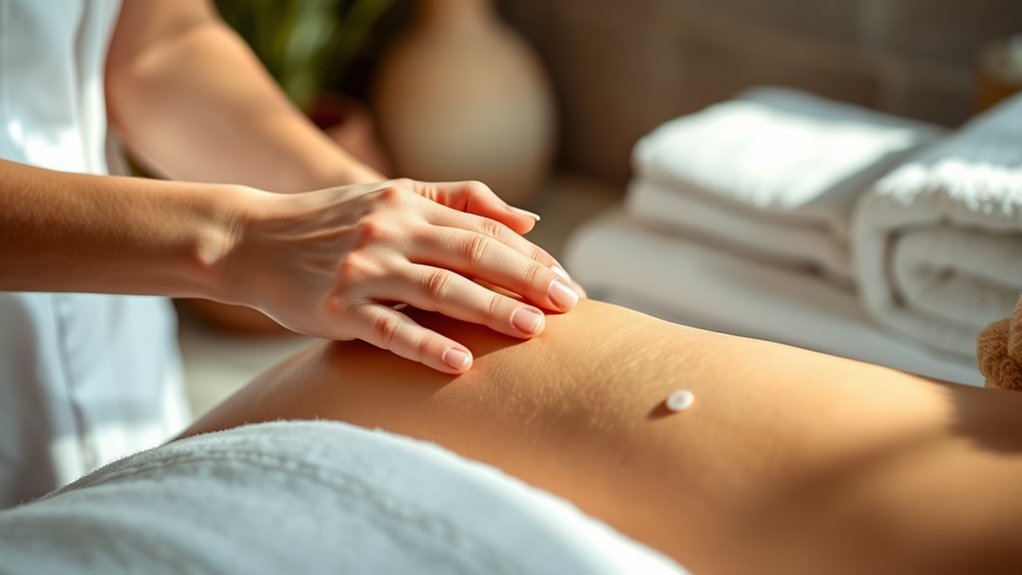
Scar massage is a technique designed to improve the appearance of scars by promoting healing and flexibility in the tissue. You might be wondering when to start, how often to massage, and which techniques work best. Understanding these aspects is essential for effective treatment. But what if you’re unsure about the risks involved or when to seek professional help? Let’s explore these important questions to guarantee you get the most out of your scar massage routine.
What Is Scar Massage?
Scar massage is a therapeutic technique aimed at improving the appearance and texture of scars. It involves applying pressure and specific movements to the scarred area, helping to break down collagen fibers and promote better skin elasticity.
You can perform this technique using your fingers, a massage tool, or even specialized creams. Regular sessions can enhance blood circulation, reduce stiffness, and alleviate discomfort associated with scars.
It’s crucial to wait until the scar has fully healed before starting massage therapy. Always consult a healthcare professional for personalized guidance, especially if you have sensitive skin or underlying conditions.
How Does Scar Massage Work?
When you engage in scar massage, you’re applying targeted pressure and movements to the scar tissue, which helps break down dense collagen fibers. This process encourages the realignment of collagen, making the scar softer and more flexible.
By using various techniques like circular motions or transverse stroking, you stimulate blood flow to the area, enhancing nutrient delivery and waste removal. This increased circulation can promote healing and improve the overall appearance of the scar.
Regular massage also helps to prevent the formation of excessive scar tissue, known as hypertrophic scars. The key is consistency; incorporating scar massage into your daily routine can yield better results over time, aiding in the remodeling of the scar tissue effectively.
What Are the Benefits of Scar Massage?
Massage therapy offers several benefits for individuals dealing with scars.
First, it can enhance blood circulation, promoting healing by delivering essential nutrients to the scar tissue.
Second, scar massage helps break down collagen fibers, making the scar softer and more pliable. This can reduce tightness and discomfort associated with scarring.
Third, it aids in improving skin texture and appearance, leading to a more even skin tone.
Additionally, regular massage can minimize the formation of hypertrophic or keloid scars, which can be raised and discolored.
Finally, the emotional benefits shouldn’t be overlooked; engaging in scar massage can foster a sense of control over your healing process, aiding in psychological recovery as well.
When Should You Start Scar Massage?
Once your incision has fully healed and the skin has closed, you can begin scar massage to promote healing and improve the appearance of the scar.
Starting too early can disrupt the healing process, so it’s vital to wait until the skin is intact. Generally, this means waiting about 2 to 4 weeks post-surgery or injury.
Before beginning scar massage, consider these points:
- Confirm there’s no open wound or scab present.
- Consult with your healthcare provider for personalized advice.
- Use appropriate techniques and products, such as silicone gel or oil.
How Often Should You Perform Scar Massage?
Regularly performing scar massage can greatly enhance healing and improve the scar’s appearance. Aim to massage your scar at least two to three times a day, dedicating about 5 to 10 minutes each session.
Consistency is key; maintaining a routine allows the scar tissue to soften and become more pliable over time. You should begin these sessions once your wound has fully healed, typically around 2 to 4 weeks post-injury or surgery, but always consult with your healthcare provider first.
If you notice any discomfort or irritation, adjust the frequency or intensity of your massage. Remember, patience is essential; visible improvements usually take several weeks to months, depending on individual healing rates and scar types.
What Techniques Are Used in Scar Massage?
To effectively reduce the appearance of scars, various techniques can be employed during scar massage.
These methods aim to soften scar tissue, improve circulation, and promote healing. Here are three techniques you can use:
- Circular Motions: Use your fingertips to apply gentle, circular movements around the scar. This helps in breaking down dense tissue and improving blood flow.
- Cross-Friction: Move your fingers back and forth across the scar in a perpendicular direction. This technique assists in realigning collagen fibers and can reduce stiffness.
- Stretching: Gently stretch the skin around the scar using your fingers. This technique encourages flexibility and can help integrate the scar tissue with surrounding skin.
Incorporating these techniques regularly can lead to noticeable improvements in scar appearance.
Are There Any Risks or Side Effects?
What should you know about the potential risks or side effects of scar massage?
While generally safe, scar massage can lead to some discomfort or irritation during or after the process. You might experience redness, swelling, or tenderness at the massage site, especially if you apply excessive pressure.
If you have an open wound or an infection, avoid massage until it’s healed to prevent complications. Those with certain skin conditions, such as eczema or psoriasis, should consult a healthcare professional before starting.
Additionally, if you notice increased pain or unusual changes in the scar’s appearance, it’s crucial to stop and seek advice. Always listen to your body to guarantee a safe and effective scar massage experience.
Can Scar Massage Be Done at Home?
Yes, you can perform scar massage at home using specific techniques.
You’ll want to choose the right massage oils and follow guidelines for frequency and duration to maximize effectiveness.
Techniques for Effective Massage
While many people seek professional help for scar massage, you can effectively perform techniques at home with the right approach.
Here are some key techniques to try:
- Use gentle pressure: Start with light pressure and gradually increase as your scar becomes more pliable. This helps avoid discomfort.
- Incorporate circular motions: Use your fingers to massage in circular patterns around the scar. This promotes blood flow and encourages healing.
- Focus on lengthening the scar tissue: Glide your fingers along the scar in a linear motion to help break down adhesions and improve flexibility.
Recommended Massage Oils
To enhance the effectiveness of scar massage at home, choosing the right massage oil can make a significant difference. Oils like vitamin E, coconut oil, and almond oil are popular choices due to their skin-nourishing properties.
Vitamin E oil helps improve skin elasticity and minimizes scar appearance, while coconut oil provides deep hydration and has anti-inflammatory benefits. Almond oil is rich in vitamins A and E, promoting skin healing and regeneration.
You might also consider essential oils, such as lavender or tea tree oil, which offer calming and antiseptic properties, respectively.
Always perform a patch test to confirm you don’t have an allergic reaction, and remember to use these oils in conjunction with proper massage techniques for ideal results.
Frequency and Duration Guidelines
Using the right massage oils can enhance your scar massage routine at home, but understanding the frequency and duration of these sessions is just as important.
Aim for consistency to see the best results. Here are some guidelines to follow:
- Frequency: Perform scar massage 2-3 times a day for ideal healing.
- Duration: Each session should last about 5-10 minutes, focusing on gentle pressure.
- Technique: Use various techniques like circular motions, kneading, and gentle stretching to improve elasticity.
Be patient; it may take weeks or months to notice significant changes.
Always listen to your body, and consult with a healthcare professional if you experience discomfort or have any concerns.
When Should You Consult a Professional?
When should you consider consulting a professional for scar massage? If you notice persistent pain, tenderness, or sensitivity around the scar, it’s a good idea to seek expert advice.
Additionally, if the scar appears raised, discolored, or shows signs of infection, a professional evaluation is necessary.
If your scar limits mobility or causes functional impairments, a therapist can tailor a massage plan to address these issues effectively.
Consulting a specialist is also essential if you’re unsure about the proper techniques or pressure to use during self-massage.
Finally, if you have underlying health conditions such as diabetes or circulatory issues, professional guidance is important to guarantee safe and effective treatment.
Frequently Asked Questions
Can Scar Massage Help With Emotional Trauma Related to Scars?
Yes, scar massage can help with emotional trauma related to scars. It promotes physical awareness and healing, which can lead to improved emotional well-being. Engaging regularly in massage may help you process those feelings more effectively.
Is Scar Massage Safe for All Skin Types?
Yes, scar massage is generally safe for all skin types. Just listen to your skin; if irritation occurs, adjust the pressure or technique. Always consult a healthcare professional if you’re unsure about your specific situation.
How Long Does It Take to See Results From Scar Massage?
You can typically see results from scar massage within 4 to 8 weeks, depending on factors like scar type, age, and consistency of your technique. Regular practice is key to achieving ideal outcomes.
Can Scar Massage Be Combined With Other Treatments?
Yes, you can combine scar massage with treatments like silicone gel sheets or laser therapy. Studies show combining therapies can improve results by up to 50%, enhancing scar appearance and flexibility more effectively than massage alone.
What Products Can Enhance Scar Massage Effectiveness?
Using silicone gel sheets, vitamin E oil, or hyaluronic acid can enhance your scar massage effectiveness. These products hydrate and soften scars, improving skin texture and promoting better absorption during your massage routine.
Conclusion
In conclusion, scar massage can greatly improve the appearance of scars when done correctly. Think of it like tuning a guitar; consistent practice using the right techniques can help achieve harmony in your skin’s texture. Start once your skin has healed, and remember to listen to your body to avoid discomfort. Consulting a professional can provide tailored advice, ensuring you’re on the right track to effective scar management.
