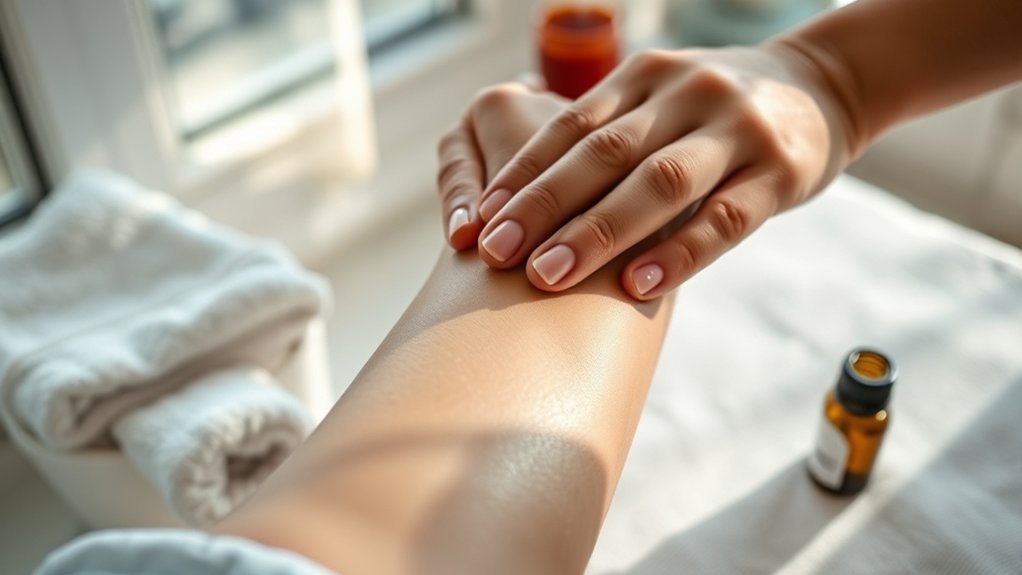
Think of your skin as a canvas, where scars tell stories of healing and resilience. However, improper care can distort these narratives. Scar massage can enhance the appearance of scars, but it’s vital to understand the do’s and don’ts involved. Knowing when to apply pressure, the right techniques to use, and how to maintain hygiene can make all the difference in your scar’s healing journey. Are you ready to explore the essential guidelines?
Understanding Scar Tissue and Its Formation
When your skin undergoes an injury, it heals by forming scar tissue, a process that can vary considerably from person to person. Scar tissue develops as your body repairs itself, replacing lost or damaged skin with fibrous connective tissue. This tissue is made primarily of collagen, which helps restore the skin’s structure.
Factors influencing scar formation include the type and severity of the injury, age, genetics, and location on the body. While some scars may fade and become less noticeable over time, others can remain raised, discolored, or rigid.
Understanding these dynamics is essential for managing expectations regarding scar appearance and potential treatments. Consequently, awareness of your unique healing process can guide your approach to care and intervention.
Benefits of Scar Massage
Scar massage offers several key benefits that can improve your skin’s condition.
It enhances skin elasticity, reduces the appearance of scars, and promotes better blood circulation in the affected area.
Improves Skin Elasticity
Although various treatments exist for improving the appearance of scars, massage therapy stands out for its ability to enhance skin elasticity.
When you engage in regular scar massage, you’re stimulating collagen production and promoting better blood circulation in the affected area. This process helps to break down the dense fibrous tissue that often forms in scars, making the skin more supple and flexible. Increased elasticity can also reduce the risk of discomfort associated with tight scars.
As you massage, you’re not just working on the surface; you’re encouraging deeper skin layers to respond positively. Over time, consistent practice of scar massage can lead to improved skin texture and movement, allowing the scarred area to function more naturally as part of your skin.
Reduces Scar Appearance
While engaging in regular massage can feel like a straightforward practice, it greatly contributes to reducing the appearance of scars. By applying targeted pressure, you promote the breakdown of collagen fibers that form the scar tissue. This process encourages a more uniform texture and color of the skin, making scars less noticeable.
Additionally, consistent massage can help soften the scar, enhancing its flexibility and minimizing its prominence. You should focus on using gentle, circular motions with your fingers, applying a suitable lotion or oil to reduce friction.
Remember to massage the scar for at least 5 to 10 minutes daily. Over time, this practice can lead to significant improvements in how your scars appear, boosting your confidence and skin health.
Enhances Blood Circulation
Engaging in scar massage not only helps reduce the appearance of scars but also enhances blood circulation in the affected area. Improved circulation is crucial for delivering essential nutrients and oxygen to the skin, promoting healing and tissue regeneration. As you massage the scar, you’re stimulating the underlying blood vessels, which can lead to increased elasticity and a healthier skin texture.
| Benefit | Description |
|---|---|
| Nutrient Delivery | Supplies essential nutrients to the skin |
| Oxygenation | Increases oxygen flow to aid healing |
| Tissue Regeneration | Promotes the growth of new skin cells |
| Elasticity Improvement | Enhances skin flexibility and resilience |
| Overall Skin Health | Contributes to a more vibrant appearance |
Recommended Techniques for Effective Scar Massage
To effectively massage a scar, you should incorporate a few key techniques that promote healing and reduce tissue tightness.
Start with gentle pressure, using your fingertips to apply circular motions around the scar. Gradually increase pressure as tolerated, focusing on areas of tightness.
Utilize horizontal and vertical strokes along the scar to break down adhesions. Incorporate kneading motions to enhance elasticity, but avoid causing pain or discomfort.
Use a lubricant, such as lotion or oil, to minimize friction and provide a smooth glide. Confirm your hands are clean before starting the massage to prevent infection.
Consistency in your technique will yield better results, so aim for thoroughness and attentiveness during each session. Always listen to your body’s response to the massage.
Frequency and Duration of Massage Sessions
To achieve ideal results with scar massage, you’ll need to take into account both the frequency and duration of your sessions.
Aim for consistent, daily massages lasting about 10 to 15 minutes for the best effect.
Monitor your progress by observing changes in texture, color, and overall appearance of the scar.
Recommended Massage Frequency
When it comes to scar massage, consistency is key for achieving ideal results. To effectively promote healing and improve the appearance of your scar, you should aim to perform massage sessions regularly.
Here are some recommendations for frequency:
- Aim for at least 2-3 times per day.
- Each session should last around 5-10 minutes.
- Be consistent for several weeks to see noticeable improvements.
- Adjust frequency based on scar sensitivity and healing progress.
Ideal Session Duration
Consistency in frequency directly influences the outcomes of scar massage, but the duration of each session also plays a vital role in effectiveness.
Ideally, you should aim for sessions lasting between 10 to 15 minutes. This timeframe allows adequate pressure and movement to promote circulation and break down tissue adhesions.
You may find longer sessions beneficial, but it’s important to listen to your body and avoid overdoing it. Aim for 2 to 3 sessions per day for best results, ensuring that you maintain a comfortable and steady pace.
Monitor your skin’s response during each session, adjusting the duration as necessary to prevent irritation. This balanced approach helps maximize the benefits of your scar massage routine.
Signs of Progress
As you engage in scar massage, recognizing signs of progress is essential for evaluating the effectiveness of your routine. Monitoring these signs can help you adjust your frequency and duration of sessions as needed.
- Reducing redness or discoloration of the scar
- Increased flexibility and elasticity in the skin
- Improved texture, making the scar feel smoother
- Decreased sensitivity or discomfort in the area
Aim for consistent sessions, typically 5-10 minutes, at least twice daily.
If you notice positive changes, maintain your routine; if progress stalls, consider increasing the frequency or duration.
Always consult a healthcare professional if you have concerns about your scar’s healing process.
Essential Tools and Products for Scar Massage
Effective scar massage requires the right tools and products to enhance the process and promote healing. Start with your hands, as they provide the most control and sensitivity.
For a more targeted approach, consider using massage tools like silicone gel pads or therapeutic balls. These can help break down scar tissue effectively.
Incorporate high-quality moisturizers or oils, such as vitamin E oil or silicone-based gels, to improve skin hydration and pliability. These products also facilitate smoother movements during massage.
Additionally, using adhesive bandages or silicone sheets can protect the scar during the healing process.
Always consult with a healthcare professional before starting any scar management regimen to guarantee you’re using appropriate tools and methods for your specific situation.
Common Mistakes to Avoid During Scar Massage
While scar massage can considerably improve the appearance and texture of scars, there are several common mistakes you should avoid to secure the best results.
By steering clear of these pitfalls, you’ll enhance the effectiveness of your massage routine and promote better healing.
- Skipping consistency: Infrequent sessions can hinder progress.
- Using excessive pressure: Too much force can cause discomfort and irritation.
- Neglecting hygiene: Always wash your hands and the scar area before starting.
- Ignoring the healing stage: Confirm the scar is properly healed before beginning massage.
Signs of Irritation and How to Address Them
Even with a careful approach to scar massage, signs of irritation can still occur. You may notice increased redness, swelling, or sensitivity around the scar area.
These reactions usually indicate that you’re applying too much pressure or massaging too frequently. If you experience pain, itching, or burning sensations, it’s vital to stop the massage immediately.
To address irritation, reduce the frequency of your sessions or lessen the pressure applied during each massage. Consider using a mild moisturizer to soothe the skin, and always make sure your hands are clean before starting.
If symptoms persist, reassess your technique and allow the scar to rest before resuming massage. Monitoring your body’s response is important for effective scar management.
When to Consult a Healthcare Professional
When should you consider consulting a healthcare professional regarding your scar massage routine? If you experience persistent discomfort, changes in your scar, or any concerning symptoms, it’s essential to seek professional advice.
Here are some key indicators:
- You notice increased redness or swelling around the scar.
- The scar feels unusually painful or tender during massage.
- You observe any discharge or odor from the scar area.
- Your scar shows signs of infection, such as fever or chills.
These symptoms may indicate complications that require medical attention. Consulting a healthcare professional can help guarantee you’re using the right techniques and addressing any underlying issues effectively.
Prioritize your health by staying informed and proactive about your scar care.
Incorporating Scar Massage Into Your Skincare Routine
To effectively incorporate scar massage into your skincare routine, you need to take into account both timing and frequency.
Aim to perform the massage consistently, using techniques and tools that best suit your scar type and sensitivity.
Establishing a regular practice can enhance the healing process and improve the appearance of your scars.
Timing and Frequency
Incorporating scar massage into your skincare routine requires careful attention to timing and frequency for best results.
To optimize the effectiveness of your massage, consider the following guidelines:
- Perform scar massage at least twice daily.
- Schedule massages after your skin has absorbed moisturizers or oils.
- Allocate 5-10 minutes for each session to guarantee thorough coverage.
- Avoid massaging fresh scars until they’ve healed, typically after about 4-6 weeks.
Techniques and Tools
Mastering effective scar massage techniques and utilizing the right tools can greatly enhance your skincare routine. Begin by using your fingertips to apply gentle pressure in circular motions around the scar. Incorporate tools like silicone gel sheets or massage devices for added effectiveness. Consistency is key; aim for daily sessions lasting 5-10 minutes.
| Technique | Description | Tool Recommendation |
|---|---|---|
| Circular Motion | Use fingers to massage in circles | Silicone gel sheets |
| Cross-Friction | Move fingers horizontally and vertically | Massage rollers |
| Compression | Apply pressure directly on the scar | Soft foam massage balls |
| Stretching | Gently pull skin away from the scar | Finger pads |
Incorporate these methods and tools to promote healing and improve scar appearance.
Long-Term Care for Scars After Massage
Although scar massage can greatly improve the texture and appearance of your scars, maintaining proper long-term care is essential for best results.
Scar massage can significantly enhance scar texture and appearance, but long-term care is vital for optimal healing.
To guarantee your scars continue to heal effectively, follow these guidelines:
- Moisturize Daily: Use a silicone gel or ointment to keep the scar hydrated.
- Protect from Sun Exposure: Apply sunscreen to prevent discoloration and further damage.
- Continue Massage Techniques: Regularly perform the massage techniques advised by your healthcare provider.
- Monitor Changes: Keep an eye on your scars for any signs of infection or unusual changes.
Frequently Asked Questions
Can Scar Massage Help With Acne Scars?
Yes, scar massage can help improve the appearance of acne scars. It promotes blood circulation, softens tissue, and enhances collagen production, which may lead to smoother skin texture and reduced visibility of scars over time.
Is Scar Massage Safe for Children?
Yes, scar massage is generally safe for children, as long as you’re gentle and attentive. Think of it like nurturing a plant; with care, it can heal and flourish without harm. Always consult a healthcare professional first.
How Soon After Surgery Can I Start Scar Massage?
You can typically start scar massage around 2 to 3 weeks after surgery, once the incision has healed sufficiently. Always consult your healthcare provider for personalized advice based on your specific situation and recovery progress.
Can I Perform Scar Massage on Keloid Scars?
You can perform scar massage on keloid scars, but it’s essential to consult your doctor first. Gentle pressure helps soften the tissue, though overdoing it might aggravate the keloid. Balance is key for effective treatment.
Will Scar Massage Completely Remove My Scars?
Scar massage won’t completely remove your scars. However, it can greatly improve their appearance and texture. Regular practice may help soften scars, making them less noticeable, but results vary based on individual skin types and conditions.
Conclusion
Incorporating scar massage into your routine can enhance the appearance and texture of scars, foster healing, and promote skin health. By applying gentle pressure, maintaining hygiene, and observing any signs of irritation, you can maximize the benefits of your efforts. Remember to practice patience, commit to consistency, and adapt your techniques as needed. Ultimately, with the right approach and care, you can achieve significant improvements in scar management and overall skin wellness.
