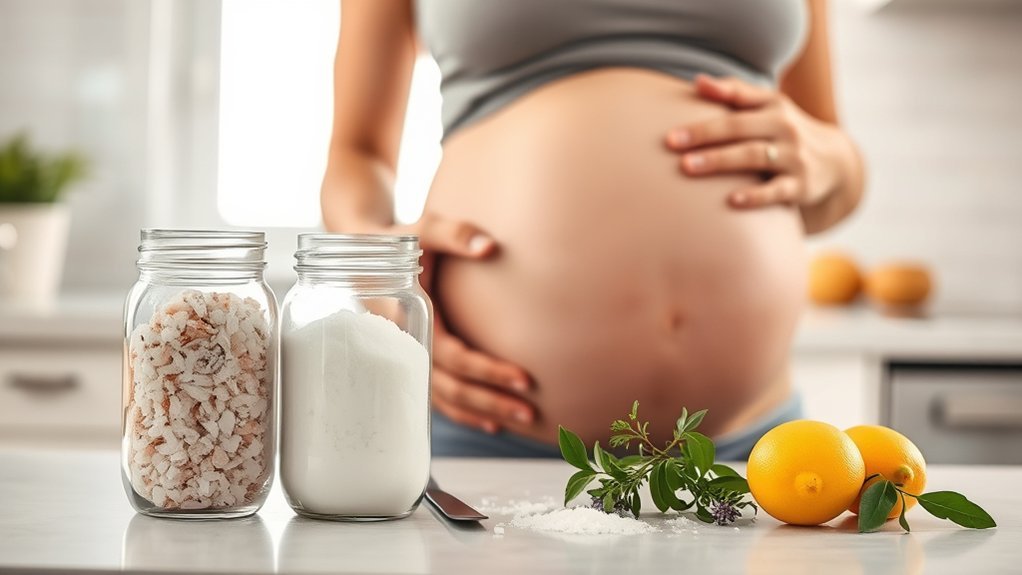
Managing your salt and sugar intake during pregnancy is essential for both your health and your baby’s development. With recommended limits of 2,300 milligrams of salt and no more than 6 teaspoons of added sugars daily, it’s vital to make informed choices. Understanding the health risks associated with excessive consumption can help you navigate your options. So, how can you effectively reduce these ingredients without sacrificing flavor?
Understanding Salt and Sugar During Pregnancy
Understanding the role of salt and sugar during pregnancy is essential for both your health and your baby’s development. Salt, primarily composed of sodium, helps maintain fluid balance and supports nerve function. However, excessive salt intake can lead to high blood pressure, increasing your risk of complications. On the other hand, sugar provides energy but should be consumed in moderation. High sugar intake can lead to gestational diabetes, weight gain, and other health issues. It’s vital to differentiate between naturally occurring sugars found in fruits and added sugars in processed foods. Balancing your salt and sugar intake can promote better overall health during pregnancy, ensuring both you and your baby thrive.
Recommended Salt Intake for Expecting Mothers
Pregnant women should aim for a daily salt intake of about 2,300 milligrams, which is roughly one teaspoon. This amount helps maintain fluid balance and supports fetal development. However, it is crucial to monitor your intake, as excessive salt can lead to swelling and high blood pressure.
| Food Item | Salt Content (mg) | Serving Size |
|---|---|---|
| Canned Soup | 800 | 1 cup |
| Bread | 200 | 1 slice |
| Pickles | 1,000 | 1 medium |
| Processed Cheese | 600 | 1 ounce |
| Soy Sauce | 1,000 | 1 tablespoon |
Recommended Sugar Intake for Expecting Mothers
While it’s important to satisfy cravings during pregnancy, you should be mindful of your sugar intake. The American Heart Association recommends that pregnant women limit added sugars to no more than 6 teaspoons per day. Excessive sugar can lead to gestational diabetes, weight gain, and other complications. Focus on natural sources of sugar, like fruits, which provide essential nutrients and fiber. When you do indulge, opt for healthier snacks, such as yogurt with fruit or smoothies, instead of sugary desserts. Reading food labels can help you identify hidden sugars in processed foods. Remember, moderation is key. By keeping your sugar intake in check, you’ll not only support your health but also the well-being of your growing baby.
Health Risks of Excessive Salt Consumption
Excessive salt consumption during pregnancy can lead to high blood pressure, which poses risks for both you and your baby. It can also cause fluid retention, resulting in swelling and discomfort. Monitoring your salt intake is essential for a healthier pregnancy.
High Blood Pressure Risks
High salt intake can markedly increase your risk of high blood pressure during pregnancy, which poses serious health challenges for both you and your baby. Elevated blood pressure may lead to complications like preeclampsia, gestational hypertension, and even preterm birth. Monitoring your salt consumption is essential for maintaining healthy blood pressure levels.
| Health Impact | Description |
|---|---|
| Preeclampsia | A serious condition causing high blood pressure and organ damage. |
| Gestational Hypertension | High blood pressure that occurs during pregnancy. |
| Preterm Birth | Delivery that occurs before 37 weeks of pregnancy. |
| Low Birth Weight | Infants born weighing less than 5.5 pounds. |
| Placental Abruption | Separation of the placenta from the uterus, posing risks to mother and baby. |
Fluid Retention Concerns
Managing your salt intake during pregnancy is important not just for controlling blood pressure but also for addressing fluid retention concerns. Excessive salt can lead to an increase in sodium levels, causing your body to hold onto more water. This retention can result in swelling, particularly in your feet, ankles, and hands. While some swelling is normal during pregnancy, significant fluid retention may signal underlying issues like preeclampsia, a serious condition that requires medical attention. To mitigate these risks, aim for a balanced diet low in processed foods and high in whole foods. Staying hydrated can also help your body manage fluid levels effectively. Regular check-ups with your healthcare provider will guarantee you monitor any concerning symptoms promptly.
Health Risks of Excessive Sugar Consumption
While it might seem harmless to indulge in sugary treats during pregnancy, consuming too much sugar can lead to serious health risks for both you and your baby. High sugar intake is linked to gestational diabetes, which can cause complications like high birth weight and premature delivery. Excess sugar can also lead to excessive weight gain, increasing the risk of hypertension and other cardiovascular issues. Additionally, it can impact your baby’s development, potentially leading to metabolic disorders later in life. You might also experience increased fatigue and mood swings due to blood sugar fluctuations. To protect your health and your baby’s, it’s essential to monitor your sugar consumption and focus on nutrient-dense foods that support a healthier pregnancy.
Signs of High Salt and Sugar Intake
If you’re consuming too much salt and sugar during pregnancy, you might notice common symptoms like swelling, headaches, or fatigue. These signs can lead to serious health risks for both you and your baby, including gestational hypertension and increased weight gain. To help manage your intake, it’s important to identify dietary sources that are high in these ingredients, such as processed foods and sugary snacks.
Common Symptoms Experienced
High salt and sugar intake during pregnancy can lead to several noticeable symptoms that might affect your well-being. You may experience increased thirst, frequent urination, and swelling, particularly in your hands and feet. These symptoms occur because high salt levels can cause your body to retain more water, while excess sugar can lead to spikes in blood sugar levels. Additionally, you might notice fatigue, mood swings, and cravings for more sugary or salty foods. Weight gain can accelerate due to these dietary habits, impacting your overall health. Monitoring your intake and recognizing these signs is essential for maintaining a balanced diet during pregnancy, ensuring both your health and your baby’s development are prioritized.
Health Risks Associated
Excessive salt and sugar intake during pregnancy can lead to significant health risks that affect both you and your developing baby. High salt consumption can contribute to hypertension, increasing your risk of preeclampsia, a serious condition that can threaten both lives. Additionally, too much sugar can lead to gestational diabetes, which may cause complications during delivery and affect your baby’s health long-term. You might also experience excessive weight gain, which can complicate your pregnancy and postpartum recovery. Signs of high intake include severe thirst, frequent urination, and swelling. Monitoring your diet is essential to minimize these risks and promote a healthier pregnancy. Balancing your salt and sugar levels can improve outcomes for you and your baby.
Dietary Sources to Avoid
While maintaining a balanced diet is essential during pregnancy, certain dietary sources can greatly elevate your salt and sugar intake. Being aware of these sources can help you manage your nutrition effectively. Here are four items to avoid:
- Processed Foods: Items like canned soups, frozen meals, and snack foods often contain high levels of salt and sugar for preservation and flavor.
- Sugary Beverages: Sodas and sweetened juices can add unnecessary sugar and calories to your diet.
- Condiments: Ketchup, barbecue sauce, and salad dressings may have hidden sugars and salts.
- Fast Food: Many fast-food options are loaded with salt and sugar, making them particularly unhealthy choices during pregnancy.
Staying informed about these sources can aid in better dietary choices for you and your baby.
Tips for Reducing Salt in Your Diet
Reducing salt in your diet during pregnancy can greatly benefit your overall health and well-being. Start by choosing fresh, whole foods like fruits, vegetables, and whole grains, which naturally contain less sodium. When cooking, use herbs and spices for flavor instead of salt. Read labels carefully; opt for low-sodium or no-salt-added versions of canned and packaged foods. Limit processed foods like deli meats, snacks, and frozen meals, as they often have hidden salt. Rinse canned beans and vegetables under water to remove excess sodium. Finally, prepare meals at home whenever possible, allowing you more control over the ingredients. By making these adjustments, you’ll help maintain healthy blood pressure and reduce water retention during your pregnancy.
Tips for Reducing Sugar in Your Diet
To support a healthy pregnancy, cutting back on sugar is essential for both you and your baby. Here are some effective strategies to help you reduce sugar in your diet:
- Read Labels: Always check food labels for added sugars, and choose products with lower sugar content.
- Limit Sugary Drinks: Swap sodas and fruit juices for water or herbal teas to greatly cut sugar intake.
- Opt for Whole Foods: Choose whole fruits instead of fruit juices and snacks, as they contain natural sugars and fiber.
- Cook at Home: Preparing meals at home allows you to control ingredients and avoid hidden sugars found in processed foods.
Managing Cravings for Salt and Sugar
During pregnancy, cravings for salt and sugar are common and can be intense. Understanding these cravings can help you find healthy snack alternatives and implement moderation strategies. By being mindful of your choices, you can satisfy your cravings without exceeding recommended limits.
Understanding Pregnancy Cravings
As your body undergoes significant changes in pregnancy, cravings for salt and sugar can become difficult to manage. These cravings are largely driven by hormonal fluctuations and nutritional needs. To better understand and cope with these cravings, consider the following:
- Biological Factors: Hormones like progesterone can heighten your sense of taste, making salty and sweet foods more appealing.
- Nutritional Deficiencies: Cravings may indicate a need for certain nutrients—like sodium or carbohydrates—important for your developing baby.
- Emotional Influences: Stress and mood swings can trigger cravings for comfort foods, often high in sugar or salt.
- Hydration Levels: Dehydration can sometimes mimic cravings, so ascertain you’re drinking enough water.
Recognizing these factors can help you manage your cravings more effectively.
Healthy Snack Alternatives
Cravings for salt and sugar can lead to unhealthy snacking habits, especially when you’re trying to manage your nutritional intake during pregnancy. Instead of reaching for chips or candy, consider healthier alternatives. For salty cravings, try air-popped popcorn seasoned with a pinch of sea salt or roasted chickpeas for a crunchy, satisfying snack. When you’re craving something sweet, opt for fresh fruit, like apples or berries, which provide natural sugars and essential vitamins. Yogurt with a drizzle of honey can also satisfy your sweet tooth while offering probiotics. Remember, snacking on nuts or seeds can provide both healthy fats and protein, helping you feel full longer. Making these simple swaps can support your health and your baby’s development.
Moderation Strategies for Intake
While it’s natural to experience cravings for salt and sugar during pregnancy, managing these desires is essential for your health and your baby’s development. Here are some effective strategies to help you maintain moderation:
- Stay Hydrated: Drink plenty of water to help curb cravings and support overall health.
- Opt for Whole Foods: Choose fruits, vegetables, and whole grains that satisfy your hunger without added sugars or salt.
- Practice Mindful Eating: Pay attention to what you eat, savoring each bite to help recognize when you’re full.
- Plan Your Meals: Prepare balanced meals and snacks in advance to avoid impulsive choices when cravings strike.
Healthy Alternatives to Salt and Sugar
Finding healthy alternatives to salt and sugar can greatly enhance your diet during pregnancy, promoting both your well-being and your baby’s development. Instead of salt, try herbs and spices like basil, oregano, or garlic to add flavor without the sodium. Citrus juices and vinegar can also brighten your dishes. When it comes to sugar, opt for natural sweeteners like honey or maple syrup in moderation. You can also satisfy your sweet tooth with fresh fruits, which provide essential nutrients and fiber. Experiment with mashed bananas or applesauce in recipes to replace refined sugars. These alternatives not only improve taste but also support healthier choices, helping you maintain balanced nutrition for you and your growing baby.
Frequently Asked Questions
Can I Use Salt Substitutes During Pregnancy?
Yes, you can use salt substitutes during pregnancy, but check with your healthcare provider first. Some substitutes might contain potassium, which could be a concern if you have certain health conditions or dietary restrictions.
Are There Natural Sweeteners Safe for Pregnant Women?
Sweet as honey, you can safely use natural sweeteners like stevia, monk fruit, and maple syrup during pregnancy. These options are low in calories and generally considered safe, but moderation is key for your health.
How Does Salt Intake Affect My Baby’s Development?
Excessive salt intake can lead to high blood pressure, which might affect your baby’s development. It’s essential to maintain a balanced diet, ensuring you’re getting adequate nutrients without overindulging in sodium during pregnancy.
What Are the Signs of Sugar Withdrawal During Pregnancy?
You might experience cravings, fatigue, mood swings, headaches, irritability, or nausea during sugar withdrawal in pregnancy. Staying hydrated and maintaining a balanced diet can help ease these symptoms as your body adjusts.
Can Excessive Salt or Sugar Impact Breastfeeding?
Excessive salt or sugar can negatively impact breastfeeding by affecting milk quality and your overall health. It’s important to maintain a balanced diet for both you and your baby’s well-being during this significant time.
Conclusion
In summary, managing your salt and sugar intake during pregnancy is essential for your health and your baby’s development. Did you know that studies show pregnant women with high sugar intake are 2.5 times more likely to develop gestational diabetes? By focusing on fresh, whole foods and using herbs for flavor, you can stay within the recommended limits. Remember, small changes in your diet can lead to significant health benefits, ensuring a healthier pregnancy for both you and your little one.
