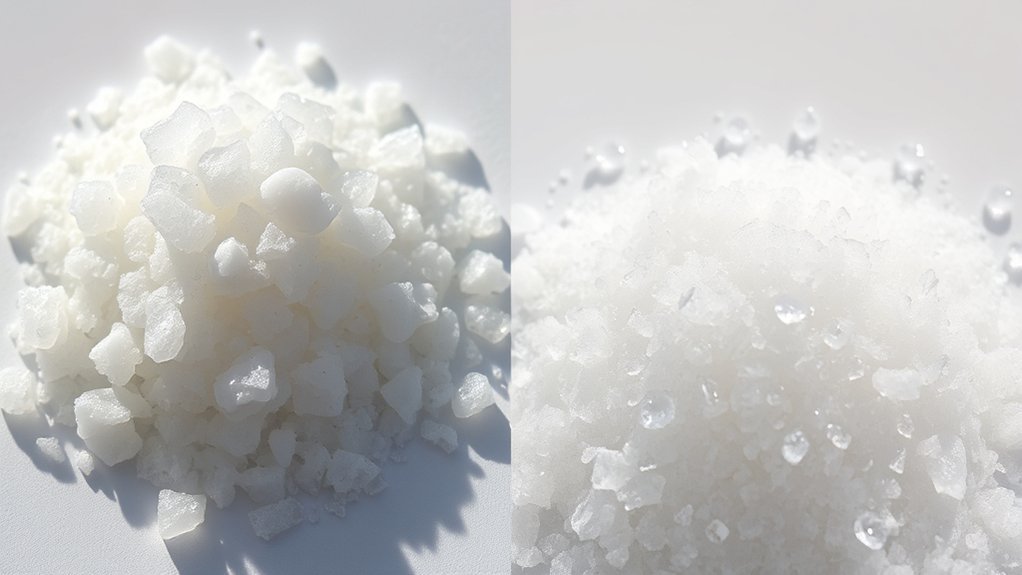
When it comes to salt and sugar limits, misconceptions can cloud your understanding. You might think all salt is harmful, or that any sugar is bad for you. However, both play essential roles in your diet when consumed in moderation. By distinguishing between myths and facts, you can make more informed choices about your nutrition. Curious about how to balance these elements in your meals? Let’s explore the truths behind salt and sugar consumption.
Understanding Salt and Sugar: Their Role in Our Diet
While many people often think of salt and sugar as mere flavor enhancers, they actually play essential roles in our diets. Salt, primarily composed of sodium chloride, is crucial for maintaining fluid balance, nerve function, and muscle contractions. It helps regulate blood pressure and supports cellular processes. On the other hand, sugar, a form of carbohydrate, serves as a quick source of energy. Your body utilizes glucose, a simple sugar, for immediate fuel during physical activities and brain function. However, both salt and sugar should be consumed in moderation to avoid health issues. Understanding their roles can help you make informed dietary choices, ensuring you meet your nutritional needs without excessive intake. Balancing these elements is key to overall health.
Common Myths About Salt Intake
Many people hold misconceptions about salt intake that can lead to confusion about what’s healthy. One common myth is that all salt is bad for you. In reality, your body needs sodium for essential functions like maintaining fluid balance and supporting nerve and muscle function. Another myth is that reducing salt completely is necessary for heart health. However, moderate salt intake is fine for most individuals, especially if you’re active. Some believe that “low-sodium” products are always healthier, but they often contain additives to enhance flavor. Finally, many think that salt only comes from table salt, but it’s present in many processed foods. Understanding these myths can help you make informed dietary choices regarding salt intake.
The Truth About Sugar Consumption
Although sugar has often been demonized in health discussions, understanding its role in your diet is essential for making informed choices. Sugar, particularly in its natural form, provides a quick source of energy and can be part of a balanced diet. However, the real concern lies with added sugars found in processed foods, which can contribute to weight gain, insulin resistance, and other health issues when consumed in excess. Research indicates that excessive intake of added sugars is linked to a higher risk of chronic diseases, including heart disease and type 2 diabetes. By being mindful of where sugar appears in your food choices, you can enjoy it in moderation while still prioritizing your overall health and well-being.
Recommended Daily Limits for Salt and Sugar
Understanding how sugar fits into your diet naturally leads to a discussion about the recommended daily limits for both salt and sugar. The World Health Organization suggests limiting added sugars to less than 10% of your total daily caloric intake, ideally aiming for under 5% for additional health benefits. For adults, this translates to roughly 25 grams or about 6 teaspoons of sugar. When it comes to salt, the recommended limit is less than 2,300 milligrams per day, which is roughly one teaspoon. Lowering it to 1,500 milligrams may provide even greater health advantages, especially for certain populations. By adhering to these guidelines, you can better manage your health and reduce the risk of chronic diseases associated with excessive consumption.
The Impact of Excessive Salt on Health
Excessive salt intake can lead to serious health issues, particularly high blood pressure, which affects millions worldwide. Consuming too much sodium causes your body to retain water, increasing the volume of blood your heart pumps. This extra pressure can damage blood vessels, leading to cardiovascular diseases, stroke, and kidney problems. You might not realize that processed foods often contain high levels of salt, making it easy to exceed recommended limits. The American Heart Association suggests limiting sodium intake to 2,300 milligrams per day, ideally reducing it to 1,500 milligrams for most adults. Being mindful of your salt consumption can greatly improve your health and reduce the risk of these serious conditions. So, check labels and choose fresh, whole foods whenever possible.
The Consequences of High Sugar Intake
High sugar intake can greatly increase your risk of weight gain and obesity, as excess sugar is often stored as fat. Additionally, consuming large amounts of sugar raises your likelihood of developing type 2 diabetes by impacting insulin sensitivity. Understanding these consequences is essential for making informed dietary choices.
Weight Gain Risks
What happens when you consume too much sugar? Your body processes excess sugar by converting it into fat, leading to weight gain. When you eat sugary foods, your blood sugar spikes, prompting insulin release to regulate it. This can result in increased fat storage. High sugar intake also contributes to cravings and overeating, making it harder to maintain a healthy weight. Studies show that sugary beverages are particularly problematic, as they provide calories without satisfying hunger. Over time, this habit can lead to obesity and associated health issues. By limiting sugar consumption, you can help manage your weight and reduce the risk of negative health effects. Being mindful of your sugar intake is essential for maintaining a healthy lifestyle.
Increased Diabetes Probability
Consuming too much sugar not only contributes to weight gain but also considerably raises your risk of developing diabetes. Research indicates that excessive sugar intake can lead to insulin resistance, a key factor in Type 2 diabetes. Here are three critical consequences of high sugar consumption:
- Increased Blood Sugar Levels: High sugar intake spikes your blood sugar, over time leading to chronic issues.
- Weight Gain: Extra calories from sugar can lead to obesity, a major diabetes risk factor.
- Inflammation: Excessive sugar can trigger inflammation in the body, further complicating metabolic health.
To protect your health, it’s essential to limit sugar and focus on a balanced diet rich in whole foods.
Natural vs. Added Sugars: What’s the Difference?
When you think about sugars, it’s important to distinguish between natural sugars found in fruits and dairy and added sugars present in processed foods. Natural sugars come with vitamins and minerals, while added sugars can contribute to health issues like obesity and diabetes. Understanding these differences can help you make informed dietary choices.
Sources of Sugars
Understanding the difference between natural and added sugars is essential for making informed dietary choices. Natural sugars are found in whole foods and come with beneficial nutrients. In contrast, added sugars are incorporated during processing and often lack nutritional value. Here’s a quick breakdown of sources:
- Natural Sugars: Found in fruits, vegetables, and dairy products, these sugars come with fiber, vitamins, and minerals that support health.
- Added Sugars: Commonly found in processed foods, such as candies, sodas, and baked goods, these sugars contribute empty calories.
- Labeling: Always check labels to identify added sugars, often listed as high fructose corn syrup, sucrose, or honey.
Health Impacts Comparison
While both natural and added sugars provide energy, their health impacts differ markedly. Natural sugars, found in fruits and dairy, come with essential nutrients and fiber, which help regulate blood sugar levels and promote overall health. In contrast, added sugars, often present in processed foods, contribute empty calories without nutritional benefits, leading to weight gain and increased risk of chronic diseases like diabetes and heart disease.
Research shows that high consumption of added sugars can also lead to inflammation and metabolic issues. So, while it’s important to monitor your overall sugar intake, prioritizing natural sources over added sugars can positively influence your health and well-being. Making informed choices about sugar types can help you maintain a balanced diet.
Strategies for Reducing Salt and Sugar in Your Diet
To effectively reduce salt and sugar in your diet, it is essential to be mindful of food choices and preparation methods. Here are three strategies you can implement:
- Choose Whole Foods: Opt for fresh fruits, vegetables, whole grains, and lean proteins. These foods are naturally low in salt and sugar and packed with nutrients.
- Read Labels: Always check nutrition labels for added sugars and sodium content. Aim for products with lower amounts of these ingredients.
- Cook at Home: Preparing meals at home allows you to control the ingredients. Use herbs and spices for flavor instead of salt, and explore natural sweeteners like fruit.
The Importance of Balance in Nutrition
Achieving balance in nutrition is crucial for maintaining overall health and well-being, as it guarantees your body receives the necessary nutrients without excesses that can lead to health issues. Consuming a variety of foods guarantees you get essential vitamins, minerals, and macronutrients. Too much salt can raise blood pressure, while excessive sugar can contribute to obesity and diabetes. Moderation is key; it allows you to enjoy different foods while minimizing health risks. You should focus on whole, unprocessed foods, which provide better nutritional value than processed options high in salt and sugar. Remember, a balanced diet supports energy levels, aids in digestion, and can improve mental clarity. Prioritizing balance in your meals helps you achieve long-term health benefits.
Frequently Asked Questions
Can I Completely Eliminate Salt and Sugar From My Diet?
You can’t completely eliminate salt and sugar from your diet without potential health issues. Moderation is key; reducing excessive intake while still including small amounts can support your health and maintain essential bodily functions.
Are There Any Health Benefits to Consuming Salt or Sugar?
“You can’t have your cake and eat it too.” Consuming salt and sugar in moderation can provide essential nutrients and energy. However, overindulgence can lead to health issues, so balance is vital for well-being.
What Are Some Common Hidden Sources of Salt and Sugar in Foods?
You’ll find hidden sources of salt in processed meats, canned soups, and sauces. Sugar often hides in breakfast cereals, yogurt, and condiments. Always check labels to stay aware of your intake and make healthier choices.
How Do Salt and Sugar Affect Mental Health?
Salt and sugar can impact your mental health by influencing mood and cognitive function. High sugar intake may lead to anxiety and depression, while excess salt can affect blood pressure, potentially leading to stress-related issues.
Are There Alternatives to Salt and Sugar That Are Healthier?
Yes, there are healthier alternatives to salt and sugar. You can use herbs, spices, and natural sweeteners like stevia or monk fruit. These options enhance flavor without the negative health impacts associated with excessive salt and sugar.
Conclusion
In summary, understanding salt and sugar limits is like traversing a tightrope. Just as a tightrope walker needs balance to avoid falling, you need to find a harmony between enjoying flavors and maintaining your health. The American Heart Association recommends limiting sodium to 2,300 mg and added sugars to 6-9% of daily calories. By making informed choices and moderating your intake, you can enjoy a flavorful diet without compromising your well-being. Balance is key to a healthy lifestyle.
