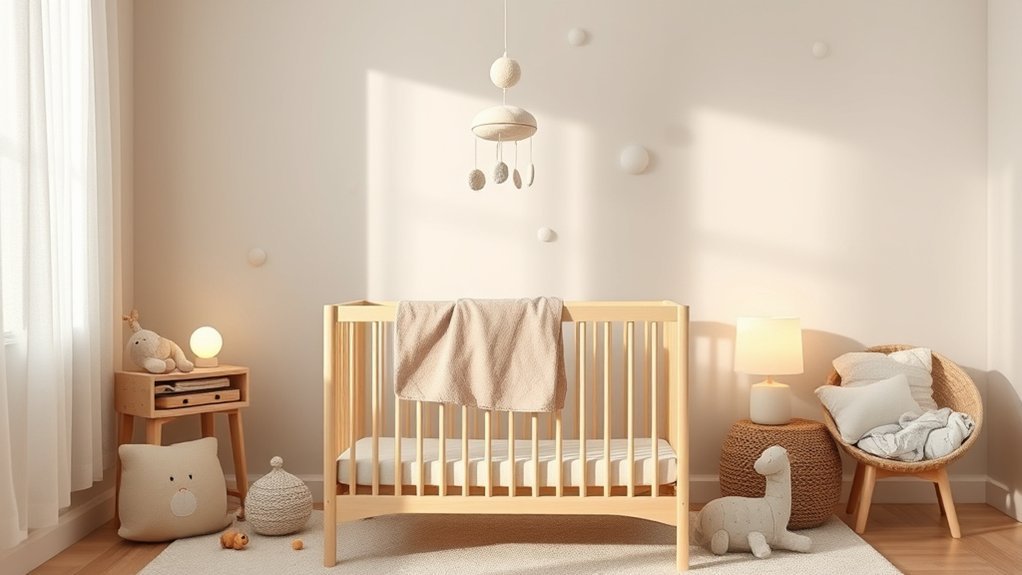
Did you know that according to the CDC, about 3,500 infants die each year in the U.S. from sleep-related deaths? It’s essential to understand safe sleep practices to protect your little one. Many widely held beliefs about infant sleep can actually create dangers. As you explore the facts versus myths, you’ll discover the safest ways to guarantee your baby’s sleep environment is secure and healthy.
Understanding Safe Sleep Practices
When it comes to ensuring your baby’s safety during sleep, understanding safe sleep practices is essential.
Start by placing your baby on their back for every sleep, as this position considerably reduces the risk of Sudden Infant Death Syndrome (SIDS). Use a firm mattress with a fitted sheet in a crib or bassinet, avoiding soft bedding, pillows, or toys that could pose suffocation hazards.
Keep the sleep environment at a comfortable temperature, and dress your baby in light clothing to prevent overheating.
It’s also important to share the room, but not the bed, with your baby for at least the first six months.
Following these guidelines helps create a safer sleep space, giving you peace of mind while your little one rests.
Myth: Babies Should Sleep on Their Stomachs
It’s a common belief that babies should sleep on their stomachs, but this practice can greatly increase the risk of suffocation.
Research shows that placing your baby on their back is the safest sleep position, aligning with established safe sleep guidelines.
Understanding these recommendations can help you create a safer sleep environment for your little one.
Risk of Suffocation
While many parents might believe that placing their babies on their stomachs promotes better sleep, this practice greatly increases the risk of suffocation.
When babies sleep on their stomachs, they can inadvertently block their airways with bedding or their own body, making it difficult for them to breathe.
Research shows that infants placed on their stomachs are at a higher risk of Sudden Infant Death Syndrome (SIDS).
It’s crucial to create a safe sleep environment by placing your baby on their back, on a firm mattress, without soft bedding or toys.
Your baby’s safety is your top priority, and understanding these risks can help you make informed decisions for a healthier sleep routine.
Recommended Sleep Position
Placing your baby on their back to sleep is the safest position and greatly reduces the risk of suffocation and SIDS. Research shows that this position allows for better airflow and lowers the chance of your baby rebreathing carbon dioxide.
It’s natural to worry about your baby’s comfort, but back sleeping is essential for their safety. Many parents might think that stomach sleeping promotes better sleep, but studies indicate that it considerably increases the risk of life-threatening incidents.
You can help your baby feel secure by using a firm mattress and avoiding soft bedding or toys in the crib. By choosing the back position, you’re taking an important step to guarantee a safer sleep environment for your little one.
Safe Sleep Guidelines
Many parents may believe that stomach sleeping helps their babies sleep better, but this common myth poses serious risks. Research shows that placing your baby on their stomach to sleep increases the likelihood of Sudden Infant Death Syndrome (SIDS).
Instead, always lay your baby on their back for every sleep—naps and nighttime. This position greatly reduces SIDS risk, as it allows for better airflow and lowers the chance of suffocation.
Ensure your baby sleeps on a firm mattress and avoid soft bedding, pillows, or toys in the crib. Following these safe sleep guidelines creates a secure environment for your little one, allowing you both to rest easier.
Prioritizing safe sleep practices is an essential step in protecting your baby’s health.
Fact: the Back Is Best for Sleep
When it comes to ensuring your baby’s safety during sleep, positioning them on their back is essential. This simple practice greatly reduces the risk of sudden infant death syndrome (SIDS).
Studies show that babies who sleep on their backs are less likely to experience breathing difficulties and suffocation hazards. By placing your baby on their back for every sleep time—whether in a crib, bassinet, or play yard—you create a safer sleep environment.
Placing your baby on their back for every sleep time creates a safer sleep environment and reduces risks.
Remember, even if your baby rolls over on their own, always start them on their back. It’s a small step that leads to a big difference in keeping your little one safe.
Trust in this evidence-based advice to support your baby’s healthy sleep habits.
Myth: Co-Sleeping Is Safe if Done Correctly
Many parents believe co-sleeping is safe if they follow certain guidelines, but this practice carries significant risks for your baby, such as accidental suffocation or overheating.
Instead of co-sleeping, consider safe sleep alternatives like a crib or bassinet placed near your bed. Choosing these options can help guarantee your little one sleeps safely while still being close to you.
Risks of Co-Sleeping
Although co-sleeping may seem like a comforting practice for some families, it carries significant risks that shouldn’t be overlooked.
Research indicates that many parents underestimate the dangers involved. Here are three key risks to take into account:
- Suffocation: Soft bedding or a sleeping parent can inadvertently block your baby’s airways.
- Falls: A baby can easily roll off the bed, leading to serious injuries.
- Overheating: Sharing a bed may raise your baby’s temperature, increasing the risk of Sudden Infant Death Syndrome (SIDS).
Understanding these risks is vital for your child’s safety.
While it may feel cozy, prioritizing a safe sleep environment is essential for peace of mind and your baby’s well-being.
Safe Sleep Alternatives
While the idea of co-sleeping may seem appealing, believing it’s safe if done “correctly” can be misleading.
Research shows that the risks, including suffocation and overheating, still exist regardless of precautions.
Instead, consider safe sleep alternatives that prioritize your baby’s safety. Placing your baby in a separate crib or bassinet in your room allows for closeness while reducing risks.
Make certain the sleep surface is firm and free from soft bedding, toys, or pillows.
Follow the ABCs of safe sleep: Always place your baby on their back, use a crib or bassinet designed for infants, and keep the sleep environment smoke-free.
Choosing these alternatives guarantees a safer sleep experience for both you and your little one.
Fact: The Risks of Co-Sleeping
Co-sleeping might seem like a comforting choice for parents, but it carries significant risks that can jeopardize your baby’s safety.
While it may feel natural to have your little one close at night, research indicates that co-sleeping can lead to serious consequences.
Here are some risks to contemplate:
- Suffocation: A parent rolling over or covering the baby with bedding can lead to fatal accidents.
- Overheating: Sharing a bed can increase the risk of overheating, which is linked to Sudden Infant Death Syndrome (SIDS).
- Falls: Babies can fall from the bed, leading to injuries.
It’s essential to weigh these risks carefully and reflect on safe sleep practices that keep your baby secure while still fostering closeness.
Myth: Crib Bumpers Make Sleep Safer
Many parents believe that crib bumpers enhance their baby’s safety by preventing them from getting stuck between the crib slats or hitting their heads. However, research shows that these padded barriers can pose serious risks. The following table highlights key concerns related to crib bumpers:
| Concern | Impact on Baby | Alternatives |
|---|---|---|
| Suffocation Risk | Increased chance of suffocation | Use a sleep sack |
| Injury from Falls | Potential for injury | Lower mattress height |
| Airflow Restriction | Limited air circulation | Remove bumpers entirely |
| False Sense of Security | Parents may be misled | Monitor baby regularly |
Understanding these facts can help you create a safer sleep environment for your little one. Focus on using safe sleep practices to truly enhance their well-being.
Fact: The Dangers of Crib Bumpers
When considering your baby’s sleep environment, it’s essential to recognize the real dangers that crib bumpers pose.
While they may seem appealing, research shows they can actually increase the risk of serious injuries and even suffocation for infants.
Research indicates that crib bumpers, despite their appeal, significantly raise the risk of serious injuries and suffocation for infants.
Here are some safety concerns to keep in mind:
- Suffocation Risk: Babies can become trapped between the bumper and the crib, leading to a suffocation hazard.
- Strangulation Hazard: Loose ties or strings can pose a strangulation risk if your baby gets caught.
- Increased Injury Risk: Bumpers can prevent airflow, increasing the chances of overheating or injury from falls.
For your baby’s safety, it’s best to avoid using crib bumpers altogether.
Stick to simple, bare crib setups to maintain a safe sleep environment.
Myth: All Sleep Aids Are Safe
While guaranteeing a safe sleep environment, it’s important to recognize that not all sleep aids are safe for your baby. Many parents mistakenly believe that products marketed as sleep aids, like sleep positioners or certain swaddles, are risk-free.
However, research shows that some of these items can increase the risk of suffocation or Sudden Infant Death Syndrome (SIDS). Always check for safety recalls and guarantee any product you use meets safety standards.
It’s essential to consult your pediatrician before introducing any sleep aids. Your baby’s safety should be your top priority, so opt for a clear sleep space with a firm mattress and a fitted sheet, without extra bedding or toys.
Knowledge is key to keeping your little one safe.
Fact: Importance of a Clear Sleep Space
Creating a clear sleep space for your baby is essential for their safety and well-being. A clutter-free environment reduces the risk of suffocation and creates a peaceful atmosphere for sleep.
A clear sleep space is vital for your baby’s safety, promoting a peaceful and secure environment for restful sleep.
Here are some key reasons to prioritize a clear sleep space:
- Minimized hazards: Remove toys, pillows, and blankets that can pose a suffocation risk.
- Promotes healthy sleep: A tidy area helps your baby associate their crib with sleep, making it easier for them to settle down.
- Improves air circulation: Keeping the crib free from clutter allows for better airflow, creating a more comfortable sleep environment.
Frequently Asked Questions
What Should I Do if My Baby Rolls Onto Their Stomach While Sleeping?
If your baby rolls onto their stomach while sleeping, gently turn them back onto their back. Keep practicing tummy time during the day to strengthen their neck and shoulder muscles, promoting safe sleep habits.
How Can I Ensure My Baby’s Sleep Space Is Safe and Clear?
To guarantee your baby’s sleep space is safe and clear, keep it free of pillows, toys, and blankets. Did you know that over 3,500 infants die annually from sleep-related causes? Prioritize a firm, flat mattress for safety.
Are Sleep Sacks a Safe Alternative to Blankets for Infants?
Yes, sleep sacks are a safe alternative to blankets for infants. They keep your baby warm without the risks of loose bedding, reducing the chance of suffocation. Just make sure the fit is appropriate and comfortable.
What Age Can My Baby Start Sleeping in a Crib Without a Bumper?
Surprisingly, your baby can start sleeping in a crib without a bumper as early as 12 months. This reduces suffocation risks while promoting safer sleep. Always prioritize your baby’s safety as they grow and explore.
Is It Safe to Use a Pacifier During My Baby’s Sleep Time?
Yes, it’s safe to use a pacifier during your baby’s sleep time. It can help reduce the risk of Sudden Infant Death Syndrome (SIDS), but make sure it’s age-appropriate and used correctly.
Conclusion
As you navigate the world of infant sleep, remember that a safe sleep setup isn’t just a luxury; it’s a necessity. By debunking these myths and sticking to the facts, you’re not just protecting your baby — you’re embracing peace of mind. Think of it this way: a bare crib is like a clear path in a forest, free of obstacles and dangers. Prioritize safety, and you’ll help your little one rest easy, allowing both of you to sleep soundly.
