Pregnancy can feel like a journey through uncharted waters, where each wave brings new sensations and challenges. One common discomfort you might encounter along the way is round ligament pain, a symptom that signals your body is adapting to the changes of pregnancy. Understanding its causes and symptoms is essential for managing this discomfort effectively. Let’s explore how you can navigate this experience and find relief.
Understanding Round Ligament Pain
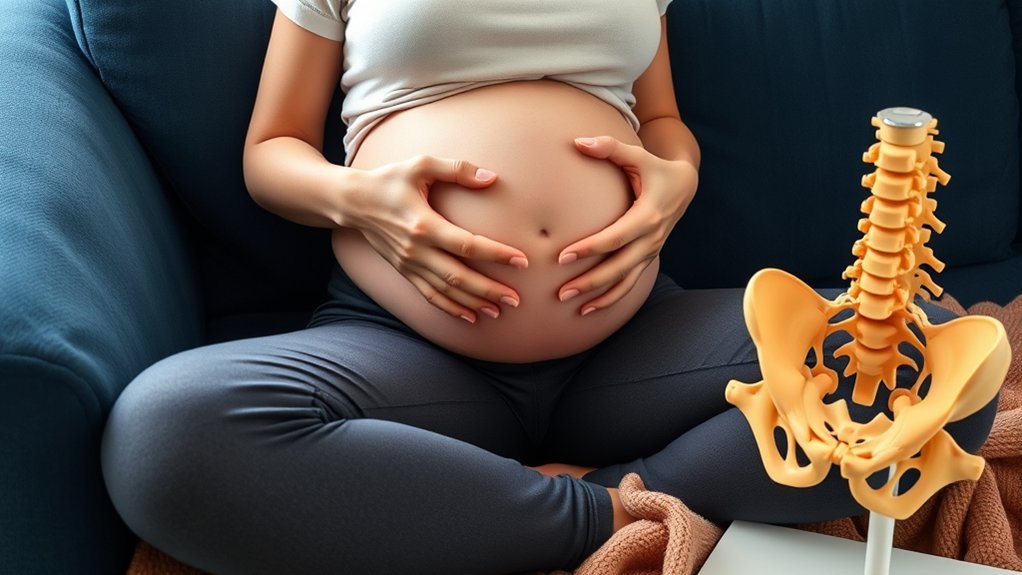
Understanding round ligament pain is essential for expectant mothers, as it can be a common yet startling experience during pregnancy. This discomfort arises from the stretching of the round ligaments that support the uterus as it grows.
You may feel this pain on one or both sides of your abdomen, often described as a sharp or pulling sensation. It typically occurs during sudden movements, such as standing up quickly, coughing, or laughing.
While round ligament pain is generally harmless, it’s vital to differentiate it from other abdominal discomforts that may require medical attention. Knowing the nature of round ligament pain can help you manage this common symptom effectively, allowing you to focus on your pregnancy journey with more confidence and less anxiety.
Common Symptoms and Sensations
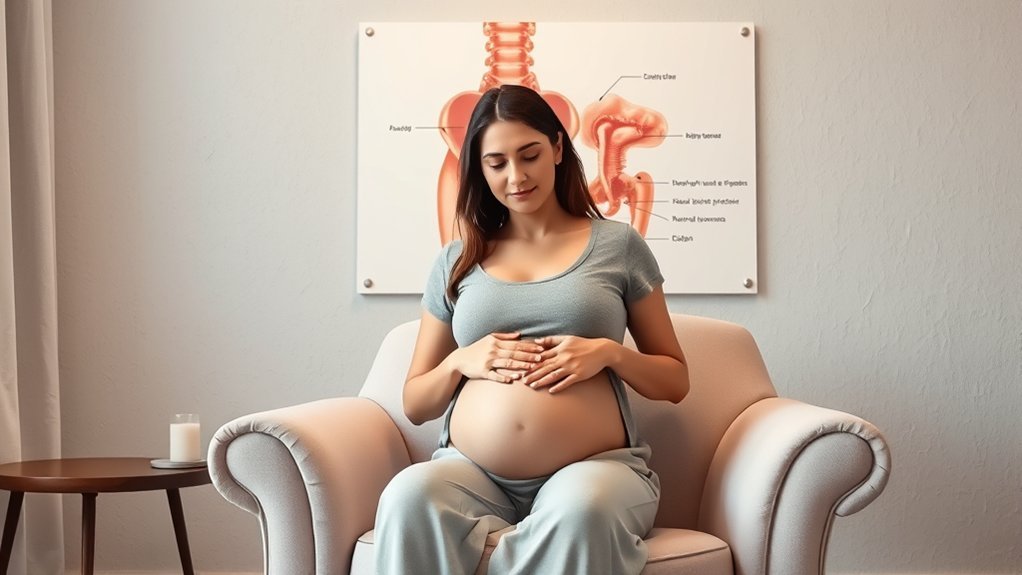
You may experience various symptoms associated with round ligament pain, including sharp pain episodes that occur suddenly.
Additionally, you might notice a dull aching discomfort that lingers throughout the day.
Some individuals also report radiating sensations that can extend to the groin or lower abdomen.
Sharp Pain Episodes
When experiencing sharp pain episodes related to round ligament pain, you often report sudden, intense sensations that can occur during movement, such as standing up quickly or changing positions.
These episodes may feel like a stabbing or pinching pain, typically localized in the lower abdomen or groin area. You might also notice that the pain can radiate to the hips or thighs.
It’s important to recognize that these sharp pains are usually brief, lasting only a few seconds, but can be alarming. They often arise from the stretching and hormonal changes associated with pregnancy.
If the pain becomes severe or persistent, consulting a healthcare professional is essential to rule out other potential complications.
Dull Aching Discomfort
Dull aching discomfort is a common symptom experienced during pregnancy, often linked to the stretching of the round ligaments. This sensation typically occurs in the lower abdomen and can vary in intensity. You might find it more pronounced during activities such as walking or changing positions. Understanding the characteristics of this discomfort can help you differentiate it from other potential issues.
| Characteristic | Description |
|---|---|
| Onset | Often occurs in the second trimester |
| Location | Lower abdomen, sometimes on one side |
| Duration | Usually brief, can last minutes |
| Triggers | Movement, coughing, or sneezing |
| Relief Methods | Resting, changing positions |
Recognizing these features can aid in managing expectations during your pregnancy.
Radiating Sensations
While dull aching discomfort is a common experience during pregnancy, some individuals may also notice radiating sensations that extend from the lower abdomen to other areas.
These sensations can manifest as sharp or shooting pains, often felt in the groin, hips, or even down the thighs. They typically occur during sudden movements, such as standing up quickly or changing positions.
Radiating sensations may also be accompanied by tightness or a pulling feeling in the abdomen. Though uncomfortable, these symptoms usually indicate the stretching of the round ligaments as the uterus expands.
It’s important to monitor the severity and frequency of these sensations, and consult a healthcare professional if they become persistent or concerning.
Causes of Round Ligament Pain
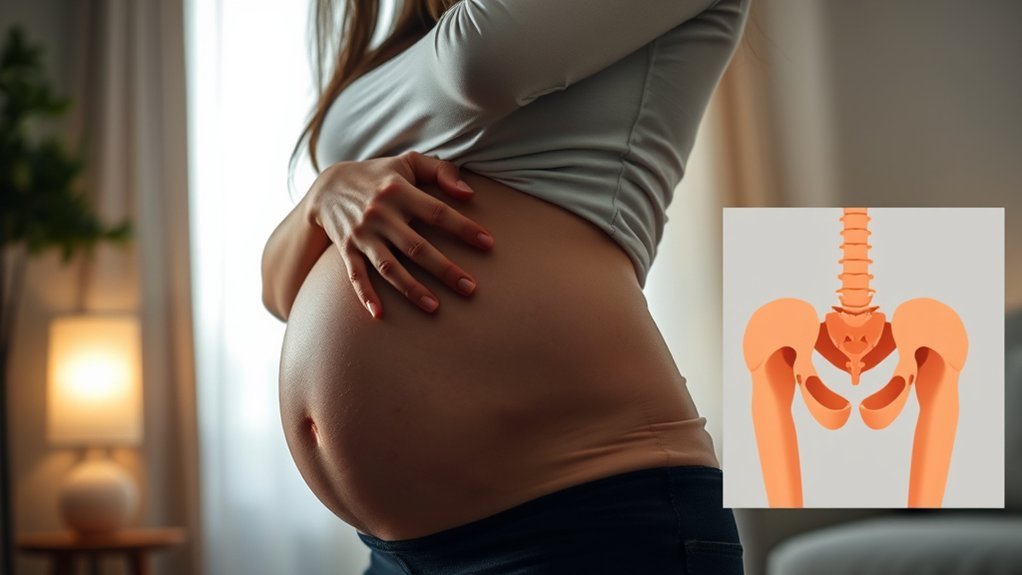
Round ligament pain often arises from hormonal changes that occur during pregnancy, which can lead to increased ligament laxity.
As your uterus grows, it exerts pressure on the round ligaments, causing discomfort.
Understanding these causes can help you manage and alleviate the pain effectively.
Hormonal Changes Impact
Hormonal changes during pregnancy greatly contribute to round ligament pain, as the body undergoes various physiological adjustments to support the growing fetus. Increased levels of estrogen and relaxin are particularly influential, causing ligaments to soften and stretch. This process helps accommodate the expanding uterus but can lead to discomfort in the round ligaments.
| Hormone | Effect on Body | Resulting Impact |
|---|---|---|
| Estrogen | Increases blood flow | Ligament softening |
| Relaxin | Relaxes pelvic tissues | Increased flexibility |
| Progesterone | Maintains pregnancy | Supports uterine growth |
| Prolactin | Prepares for breastfeeding | Alters connective tissue |
| Oxytocin | Stimulates contractions | May influence pain perception |
Understanding these hormonal influences allows you to better manage symptoms associated with round ligament pain.
Uterine Growth Pressure
As pregnancy progresses, the expanding uterus exerts pressure on the surrounding ligaments, including the round ligaments. This pressure can lead to discomfort or pain, often felt as a sharp or stabbing sensation in the lower abdomen or groin area.
The round ligaments stretch to accommodate the growing uterus, and when they become overly stretched or strained, it triggers pain. Activities such as sudden movements, coughing, or even standing up can exacerbate this discomfort.
While uterine growth pressure is a normal aspect of pregnancy, it’s crucial to differentiate it from other causes of abdominal pain. If the pain becomes severe or persistent, consult your healthcare provider for further evaluation and management options.
Understanding this process can help you navigate your symptoms more effectively.
When to Seek Medical Attention
When should you consider seeking medical attention for round ligament pain?
If your discomfort is severe, persistent, or accompanied by other symptoms, it’s vital to consult a healthcare provider.
Watch for signs such as intense abdominal pain, fever, heavy bleeding, or changes in fetal movement. These symptoms may indicate complications that require immediate evaluation.
Additionally, if the pain doesn’t improve with rest and self-care measures, or if you suspect any underlying issues, don’t hesitate to reach out.
Early intervention can help guarantee both your well-being and that of your baby.
Strategies for Managing Discomfort
If you’ve determined that your round ligament pain is manageable and not indicative of a more serious issue, there are several strategies you can employ to alleviate discomfort.
Implementing these methods can help you cope effectively:
- Change Positions: Shift your body position frequently to reduce strain on the ligaments.
- Use Heat or Cold: Apply a heating pad or ice pack to the affected area for temporary relief.
- Practice Relaxation Techniques: Engage in deep breathing or meditation to minimize stress and tension.
- Wear Supportive Garments: Consider using a maternity support belt to provide additional support and alleviate pressure.
Exercises to Alleviate Pain
To effectively alleviate round ligament pain, incorporating specific exercises into your routine can be beneficial. Focus on gentle stretching and strengthening activities that target your abdominal and pelvic muscles.
One effective exercise is the pelvic tilt, which helps support your lower back and pelvis. To perform it, lie on your back with knees bent, then gently flatten your lower back against the floor by tightening your abdominal muscles. Hold for a few seconds and release.
Another option is the cat-cow stretch; while on all fours, alternate arching and rounding your back to improve flexibility. Consistently practicing these exercises may reduce discomfort and enhance your overall physical well-being during pregnancy.
Always consult a healthcare provider before starting any exercise regimen.
Lifestyle Modifications for Relief
In addition to exercises, making certain lifestyle modifications can greatly help manage round ligament pain.
By implementing these changes, you can alleviate discomfort and enhance your overall well-being.
Implementing these lifestyle changes can significantly reduce discomfort and improve your overall health.
- Maintain Proper Posture: Confirm you sit and stand with correct alignment to reduce strain on your ligaments.
- Use Supportive Footwear: Opt for shoes that provide adequate support and cushioning to minimize pressure on your pelvis.
- Stay Hydrated: Drink plenty of water to help maintain amniotic fluid levels and reduce muscle cramping.
- Limit Sudden Movements: Avoid abrupt shifts in position to prevent sharp pain from affecting the round ligaments.
Support Resources for Expectant Mothers
As you traverse the journey of pregnancy, accessing support resources can greatly enhance your experience and help you manage challenges, including round ligament pain.
Consider joining prenatal classes, which provide valuable information on comfort techniques and pain management strategies. Connecting with other expectant mothers through support groups can foster a sense of community and shared experience.
Additionally, consult healthcare professionals, such as obstetricians and physical therapists, who can offer tailored advice and interventions. Online resources, including reputable pregnancy websites and forums, can also provide guidance and tips.
Don’t hesitate to reach out to family members and friends for emotional support, as their insights can be beneficial in traversing this transformative period.
Frequently Asked Questions
Can Round Ligament Pain Affect My Baby’s Health?
Round ligament pain typically doesn’t affect your baby’s health. It’s a common discomfort during pregnancy caused by stretching ligaments. However, if you have concerns, discussing them with your healthcare provider is always a good idea.
Is Round Ligament Pain More Common in First Pregnancies?
Yes, round ligament pain is generally more common in first pregnancies. This occurs as your body adapts to the changes and stretching of ligaments, often leading to heightened sensations during the early stages of pregnancy.
Are There Any Long-Term Effects of Round Ligament Pain?
There aren’t any long-term effects of round ligament pain; think of it like a passing storm. You might feel discomfort temporarily, but it usually resolves without lasting impact, allowing you to return to normal activities soon.
Can Stress Worsen Round Ligament Pain Symptoms?
Yes, stress can worsen round ligament pain symptoms. When you’re stressed, your body tenses up, potentially increasing discomfort. Managing stress through relaxation techniques may help alleviate some of the pain you experience.
What Is the Best Position to Relieve Round Ligament Pain?
Think of your body as a tightly strung bow. To relieve round ligament pain, try lying on your side with a pillow between your knees, or use a reclining position that supports your abdomen.
Conclusion
In summary, managing round ligament pain is essential for your comfort during pregnancy. By understanding its causes and symptoms, you can employ effective strategies to alleviate discomfort. Remember, “an ounce of prevention is worth a pound of cure.” Staying proactive with gentle exercises, posture adjustments, and relaxation techniques not only eases pain but also promotes overall well-being. Always consult your healthcare provider for personalized guidance and support, ensuring a smoother journey through this remarkable phase of life.
