
Round ligament pain can be an uncomfortable part of pregnancy, but there are effective strategies to help you manage and prevent it. By focusing on proper posture, engaging in low-impact exercises, and utilizing supportive gear, you can reduce discomfort considerably. Understanding the underlying causes and implementing preventive measures is key. Knowing what’s available to ease this common issue might just change your experience during this crucial time. Let’s explore these strategies further.
Understanding Round Ligament Pain

Round ligament pain can be a surprising and discomforting experience during pregnancy. As your uterus expands, the round ligaments stretch to support it, which can lead to sharp, sudden pains in your lower abdomen.
You might notice this discomfort particularly during movements like standing up quickly, coughing, or laughing. While it’s usually harmless, it can be alarming. Understanding that this pain is a normal part of your body’s adaptation can ease some of your worries.
Staying aware of your posture and movements can help minimize sudden discomfort. If the pain becomes severe or persistent, it’s essential to consult your healthcare provider, as they can help rule out any other potential issues and provide reassurance.
Staying Active: Safe Exercises During Pregnancy

Staying active during pregnancy is essential for your overall well-being, and there are plenty of safe exercise options to take into account.
Low-impact cardio, along with targeted stretching and strengthening exercises, can help maintain your fitness while minimizing discomfort.
Low-Impact Cardio Options
While pregnancy brings about numerous physical changes, engaging in low-impact cardio can help you maintain your fitness without exacerbating round ligament pain. Activities like walking, swimming, and stationary cycling are excellent choices.
These exercises minimize stress on your joints and ligaments while promoting cardiovascular health. Aim for at least 150 minutes of moderate activity each week, breaking it into manageable sessions if needed.
Always listen to your body; if something feels uncomfortable, stop and reassess. Hydration is essential, so drink plenty of water before, during, and after exercise.
Stretching and Strengthening Exercises
Engaging in stretching and strengthening exercises can further enhance your comfort and stability during pregnancy, particularly when dealing with round ligament pain. Incorporating gentle stretches, like the cat-cow stretch or pelvic tilts, helps relieve tension in your lower abdomen.
Strengthening your core and pelvic floor through exercises like modified planks or Kegels can provide essential support as your body changes. Always listen to your body, and don’t push through pain. It’s important to maintain proper form to avoid additional strain.
Consider consulting a physical therapist or prenatal fitness expert for tailored guidance. Remember, staying active not only eases discomfort but also prepares your body for labor and recovery. Prioritize your well-being to embrace your pregnancy journey fully.
Proper Posture and Body Mechanics
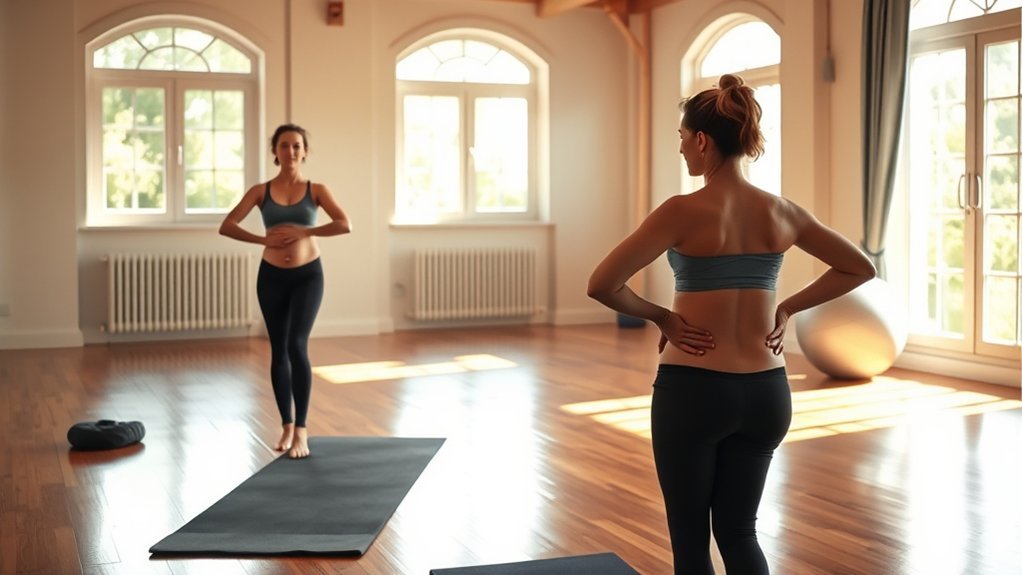
Maintaining proper posture and body mechanics is essential for minimizing round ligament pain during pregnancy. By being mindful of how you position your body, you can alleviate unnecessary strain.
Here are some tips to help you:
- Stand tall: Keep your shoulders back and your head aligned with your spine to distribute weight evenly.
- Sit properly: Choose chairs that provide support, and keep both feet flat on the ground.
- Lift correctly: Bend at the knees, not at the waist, when picking up objects to protect your back and abdomen.
- Sleep smart: Use pillows for support, placing one between your knees to maintain spinal alignment.
Implementing these strategies can make a significant difference in your comfort during pregnancy.
Using Supportive Gear
Proper posture and body mechanics lay the groundwork for comfort during pregnancy, but incorporating supportive gear can further enhance your relief from round ligament pain.
Supportive garments, such as maternity belts or abdominal wraps, provide much-needed compression and support to your lower abdomen, helping to alleviate discomfort. When you wear these products, they can stabilize the ligaments and reduce strain during daily activities.
Additionally, supportive footwear can help maintain proper alignment and reduce tension in your back and pelvis. Remember, it’s essential to choose gear that fits well and allows for movement without restriction.
Managing Weight Gain
Managing weight gain during pregnancy is essential for your comfort and overall health.
By making healthy eating choices and incorporating a regular exercise routine, you can help reduce the risk of round ligament pain.
Staying mindful of your weight won’t only benefit you but also support your baby’s development.
Healthy Eating Choices
While you’re maneuvering through the challenges of pregnancy, making healthy eating choices becomes essential for managing weight gain effectively.
Focusing on nutritious foods can help you maintain a balanced diet that supports both your health and your baby’s development. Here are some tips to guide your eating habits:
- Opt for whole grains like brown rice and quinoa for sustained energy.
- Incorporate lean proteins such as chicken, fish, or legumes to promote muscle growth.
- Load up on fruits and vegetables for essential vitamins and minerals; aim for a colorful variety.
- Stay hydrated by drinking plenty of water, which can also help curb unnecessary snacking.
Regular Exercise Routine
Maintaining a regular exercise routine can greatly contribute to managing weight gain during pregnancy. Engaging in moderate activities, like walking or swimming, helps you maintain cardiovascular health while promoting overall well-being.
Aim for at least 150 minutes of exercise each week, guaranteeing you include strength-training exercises at least twice. These activities not only support weight management but also improve your mood and energy levels.
Always listen to your body; if you experience discomfort, adjust your routine accordingly. Incorporating stretching exercises can also alleviate round ligament pain, enhancing your flexibility.
Warm Compresses and Relaxation Techniques
To alleviate round ligament pain, incorporating warm compresses and relaxation techniques can be highly effective.
These methods not only provide immediate relief but also help you manage discomfort over time.
Here are some steps to follow:
- Apply a warm compress: Use a heating pad or a warm towel on the affected area for 15-20 minutes.
- Practice deep breathing: Inhale slowly through your nose, hold for a moment, then exhale through your mouth to reduce tension.
- Engage in gentle stretching: Focus on stretches that open your hips and lower back, promoting relaxation.
- Use visualization techniques: Picture a soothing environment to help ease your mind and body, enhancing relaxation.
Implementing these techniques can considerably ease your round ligament pain and improve your overall well-being.
Staying Hydrated
Staying hydrated is essential for managing round ligament pain, as adequate fluid intake supports overall health and muscle function. Dehydration can exacerbate discomfort, making it crucial to drink water throughout the day. Aim for at least 8-10 glasses of water daily, adjusting based on your activity level and climate.
| Time of Day | Recommended Intake |
|---|---|
| Morning | 2 glasses |
| Mid-Morning | 1 glass |
| Afternoon | 3 glasses |
| Evening | 2 glasses |
| Before Bed | 1 glass |
Incorporating hydration into your routine will not only help alleviate round ligament pain but also enhance your overall well-being. Listen to your body and respond to its needs.
When to Seek Medical Advice
When should you consider seeking medical advice for round ligament pain?
It’s essential to pay attention to your body, and certain signs may indicate the need for professional evaluation.
If you experience any of the following, don’t hesitate to reach out to your healthcare provider:
- Severe Pain: Pain that’s intense and doesn’t subside with rest or typical pain relief methods.
- Persistent Symptoms: Discomfort that lasts beyond a few days or worsens over time.
- Accompanied Symptoms: Any additional symptoms like fever, bleeding, or unusual swelling.
- Doubt or Concern: If you feel anxious about your pain or its impact on your pregnancy.
Trust your instincts; it’s always better to be cautious and guarantee both you and your baby are healthy.
Preparing for Labor and Delivery
As you approach the final weeks of your pregnancy, preparing for labor and delivery becomes essential for your peace of mind and your baby’s well-being.
Start by discussing your birth plan with your healthcare provider, addressing any questions or concerns. Consider attending childbirth classes to familiarize yourself with the process and techniques for managing pain.
Discuss your birth plan with your healthcare provider and consider attending childbirth classes to better prepare for labor.
Pack your hospital bag early, including essentials for both you and your baby. It’s also helpful to familiarize yourself with the hospital’s policies and procedures.
Don’t forget to arrange for transportation to the hospital and have a support system in place.
Finally, practice relaxation and breathing techniques to help you stay calm during labor. Being prepared will empower you and make this experience more manageable.
Frequently Asked Questions
Can Round Ligament Pain Affect My Baby’s Health?
No, round ligament pain itself doesn’t affect your baby’s health. It’s a common discomfort during pregnancy, caused by stretching ligaments. However, always consult your healthcare provider if you have concerns about your or your baby’s well-being.
Is Round Ligament Pain Common in All Pregnancies?
Absolutely, round ligament pain’s quite common in pregnancies. As your body stretches and adjusts, you might feel discomfort. It’s a normal part of the journey, but always consult your healthcare provider for any concerns.
What Activities Should I Avoid to Prevent Round Ligament Pain?
To prevent round ligament pain, avoid sudden movements, excessive twisting, and high-impact exercises. Focus on gentle stretching, walking, and low-impact activities instead. Listen to your body, and rest when you feel discomfort.
Can Stress Worsen Round Ligament Pain?
When it rains, it pours; stress can indeed worsen round ligament pain. By managing stress through relaxation techniques, you can help alleviate discomfort and improve your overall well-being during this delicate time.
Will Round Ligament Pain Continue Postpartum?
Round ligament pain usually diminishes postpartum, but some women might still experience discomfort. It’s important to monitor your symptoms and consult a healthcare professional if pain persists, to guarantee proper care and recovery.
Conclusion
In maneuvering the waves of pregnancy, you can find calm amidst the storm of round ligament pain with proactive measures. By staying active, maintaining proper posture, and using supportive gear, you’ll create a sturdy vessel to carry you through this journey. Remember, each step you take toward self-care not only eases discomfort but also prepares you for the beautiful arrival of your little one. If pain persists, don’t hesitate to reach out to your healthcare provider for guidance.
