
You might feel like your body is staging a rebellion as it adapts to pregnancy, and one of the common culprits is round ligament pain. This sharp discomfort can catch you off guard, reminding you of the changes occurring within. Understanding the causes and risk factors behind this pain is essential for managing it effectively. Discover what triggers these sensations and how you can navigate this journey with greater ease and awareness.
Understanding Round Ligament Pain
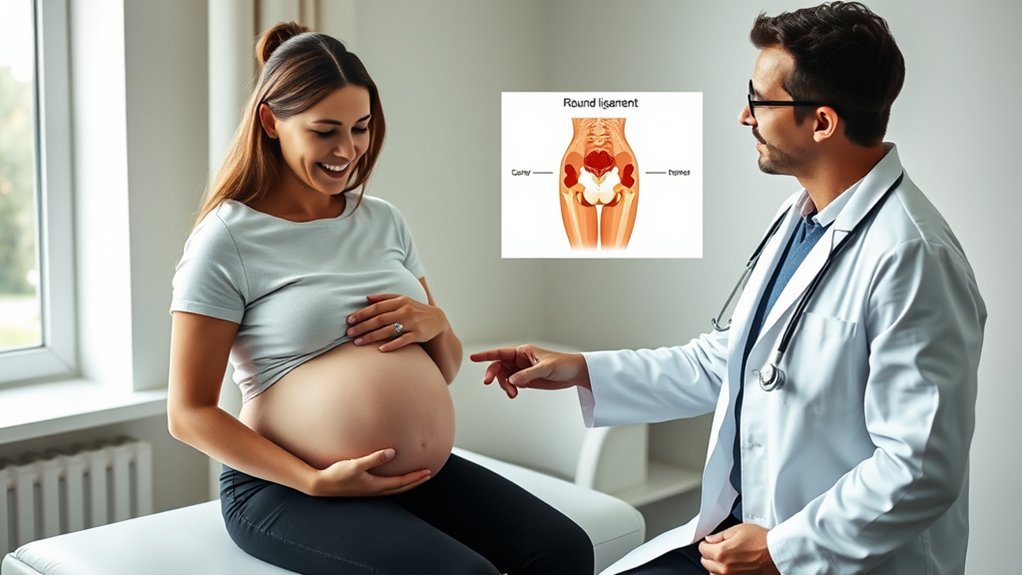
If you’ve ever felt sharp pain in your lower abdomen during pregnancy, you might be experiencing round ligament pain. This discomfort often occurs as your body adapts to the growing uterus.
The round ligaments, which support your uterus, stretch and can cause sudden, sharp sensations, especially during movements like standing up, rolling over, or sneezing.
The stretching of round ligaments can lead to sudden, sharp sensations, particularly with movements like standing or sneezing.
While this condition is typically harmless, understanding its nature can help you manage it better. It’s important to recognize that round ligament pain usually subsides with rest and gentle movements.
If the pain becomes severe or persists, consulting your healthcare provider is essential to rule out other potential issues. Awareness and education can empower you to navigate this common pregnancy experience with confidence.
Common Symptoms of Round Ligament Pain

Round ligament pain is often characterized by sharp, fleeting sensations in the lower abdomen, particularly during certain movements.
You might experience discomfort that can catch you off guard, especially when changing positions, laughing, or sneezing. It’s important to recognize the common symptoms to help you manage this condition effectively.
Here are some typical symptoms you may encounter:
- Sharp pain in the lower abdomen or groin area
- Twinges or cramps that occur suddenly
- Discomfort during physical activities like walking or twisting
- Relief when resting or changing positions
Understanding these symptoms can help you communicate better with your healthcare provider and find appropriate relief strategies.
How Round Ligament Pain Develops
As your pregnancy progresses, the round ligaments that support your uterus stretch and become more elastic. This natural adaptation occurs to accommodate the growing size and weight of your uterus.
However, as these ligaments stretch, they can become tense and may occasionally spasm, leading to discomfort or pain. You might experience this pain as a sharp sensation on one or both sides of your lower abdomen.
Movements like standing up quickly, laughing, or coughing can exacerbate this discomfort. It’s essential to remember that while round ligament pain is a common experience during pregnancy, it typically poses no risk to you or your baby.
Staying mindful of your movements and practicing gentle stretching can help alleviate this pain.
Factors Contributing to Increased Risk
While many women experience round ligament pain during pregnancy, certain factors can increase your risk of developing this discomfort. Understanding these factors can help you manage your symptoms more effectively.
- Multiple Pregnancies – If you’re carrying twins or more, your body undergoes additional stress, heightening the risk of pain.
- Previous Pregnancy – If you’ve had prior pregnancies, your ligaments may be more sensitive to stretching.
- High Physical Activity – Engaging in intense exercise or physical labor can strain your round ligaments.
- Sudden Movements – Rapid changes in posture or sudden twisting can trigger discomfort.
The Role of Hormones in Round Ligament Pain
Hormones play an essential role in the development of round ligament pain during pregnancy, as they help prepare your body for the changes ahead.
Estrogen and relaxin, in particular, increase considerably during this time. Estrogen enhances blood flow and tissue growth, while relaxin loosens ligaments and joints to accommodate your growing uterus.
This hormonal shift can lead to increased sensitivity and discomfort in the round ligaments, which stretch and support your uterus. As your body adapts, you may experience sharp or achy sensations in the lower abdomen, especially during movements like standing up or twisting.
Recognizing the connection between hormones and pain can help you understand what you’re experiencing and foster a sense of reassurance as you navigate your pregnancy journey.
Lifestyle Factors That May Influence Pain Severity
Your lifestyle choices can greatly impact the severity of round ligament pain.
Factors such as your physical activity levels, posture, and stress management techniques play an essential role in how you experience discomfort.
Physical Activity Levels
Engaging in regular physical activity can greatly influence the severity of round ligament pain. Staying active helps maintain muscle tone and flexibility, which can alleviate discomfort.
Here are some factors to take into account:
- Intensity of Activity: Moderate exercises like walking or swimming can be beneficial, while high-impact activities may exacerbate pain.
- Frequency: Regular, consistent movement is key; aim for at least 30 minutes most days.
- Type of Exercise: Focus on low-impact activities that promote strength and flexibility, such as yoga or Pilates.
- Rest and Recovery: Incorporate rest days to allow your body to recover and reduce the likelihood of increased pain.
Posture and Body Mechanics
While many factors contribute to round ligament pain, posture and body mechanics play an essential role in influencing its severity. Maintaining proper posture can alleviate strain on your ligaments, while poor body mechanics can exacerbate discomfort.
| Factor | Impact on Pain Severity |
|---|---|
| Slouched posture | Increases tension on ligaments |
| Improper lifting techniques | Heightens pain risk |
| Prolonged sitting | Contributes to muscle tightness |
Stress Management Techniques
Stress management techniques can greatly impact the severity of round ligament pain, as high stress levels often lead to muscle tension and increased discomfort.
By incorporating effective strategies into your daily routine, you can potentially alleviate some of the pain associated with this condition. Here are some techniques you might find helpful:
- Deep Breathing Exercises: Focus on your breath to reduce anxiety and promote relaxation.
- Mindfulness Meditation: Practice being present to help manage stress and improve your mental well-being.
- Gentle Yoga: Engage in stretching and relaxation poses that can ease tension in your body.
- Regular Physical Activity: Exercise releases endorphins, which can help lessen pain and improve mood.
Implementing these techniques can promote a healthier, more comfortable experience during your pregnancy.
Differences in Round Ligament Pain Among Pregnant Women
Round ligament pain can vary greatly among pregnant women, influencing the severity of symptoms you may experience.
You’ll likely notice changes in pain intensity as your pregnancy progresses through different trimesters.
Understanding these differences can help you manage your discomfort more effectively.
Severity of Symptoms
Approximately 50% of pregnant women experience round ligament pain at some point during their pregnancy, but the severity of symptoms can vary considerably.
You might find that your experience differs from others, and understanding these variations can help you navigate your discomfort more effectively.
Here are some factors that contribute to the severity of your symptoms:
- Activity Level: Engaging in physical activity may intensify the pain.
- Body Position: Certain positions or movements can trigger sharper pain.
- Hydration: Dehydration might exacerbate muscle tension, increasing discomfort.
- Stress Levels: High stress can heighten your perception of pain.
Recognizing these factors empowers you to manage your symptoms better and seek appropriate support when needed.
Trimester Variations
As you progress through your pregnancy, the experience of round ligament pain can vary greatly from one trimester to the next.
In the first trimester, you might notice mild discomfort as your body begins to adjust to hormonal changes and the growing uterus.
By the second trimester, as your uterus expands more markedly, you may experience sharper, more frequent sensations, particularly during sudden movements or changes in position.
In the third trimester, the pain may become more pronounced due to increased weight and pressure on the ligaments.
While these variations can be uncomfortable, it’s essential to recognize them as a normal part of your pregnancy journey.
If your pain feels excessive or unusual, don’t hesitate to consult your healthcare provider for guidance.
When to Seek Medical Attention
Wondering when it’s time to seek medical attention for round ligament pain? While this discomfort is often normal during pregnancy, certain signs may indicate a need for professional help.
Keep an eye out for the following:
- Severe Pain: If the pain becomes unbearable or doesn’t subside with rest.
- Persistent Symptoms: If the pain lasts longer than a few days without improvement.
- Accompanying Symptoms: If you experience fever, nausea, or unusual bleeding.
- Difficulty Moving: If you’re unable to walk or perform daily activities due to pain.
Don’t hesitate to reach out to your healthcare provider if you’re concerned.
It’s always better to err on the side of caution when it comes to your health and your baby’s well-being.
Tips for Managing Round Ligament Pain
Managing round ligament pain can greatly improve your comfort during pregnancy. To start, try gentle stretching exercises that target your hips and abdomen; these can relieve tension.
Using heat pads on the affected area can also provide soothing relief. When sitting or standing, make certain you’re maintaining good posture to reduce strain on your ligaments.
Additionally, consider wearing a maternity support belt to help distribute weight more evenly. Staying hydrated and practicing relaxation techniques, like deep breathing or prenatal yoga, can also ease discomfort.
If pain persists, don’t hesitate to consult your healthcare provider for personalized advice. Remember, taking care of yourself is essential for both you and your baby’s well-being.
Frequently Asked Questions
Can Round Ligament Pain Occur in Non-Pregnant Individuals?
Yes, round ligament pain can occur in non-pregnant individuals, though it’s less common. You might experience discomfort due to factors like muscle strain or anatomical variations. Consulting a healthcare professional for proper evaluation is essential.
Are There Any Long-Term Effects of Round Ligament Pain?
You won’t likely experience long-term effects from round ligament pain. It usually resolves after pregnancy. However, if pain persists or worsens, it’s essential to consult a healthcare professional to rule out other underlying issues.
How Can Partners Support Someone Experiencing Round Ligament Pain?
You can support your partner by offering gentle massages, encouraging rest, and helping with daily tasks. Listen to their concerns, reassure them, and remind them it’s temporary, fostering a nurturing environment during this challenging time.
Is Round Ligament Pain the Same as Abdominal Pain?
No, round ligament pain isn’t the same as abdominal pain. While both can occur during pregnancy, round ligament pain is typically sharp and localized, whereas abdominal pain can be broader and may indicate other issues.
Can Exercise Worsen Round Ligament Pain?
Yes, exercise can worsen round ligament pain for some. It’s crucial to listen to your body and modify activities as needed. Gentle stretching and low-impact exercises might help alleviate discomfort while staying active.
Conclusion
Just like a tree bending in the wind, your body undergoes changes that can cause discomfort during pregnancy. Understanding round ligament pain is essential for steering through this journey. By recognizing the signs, knowing when to seek help, and employing self-care strategies, you can weather the storms of pregnancy with resilience. Remember, every ache is a part of nurturing new life, and you’re not alone as you embrace this transformative experience.
