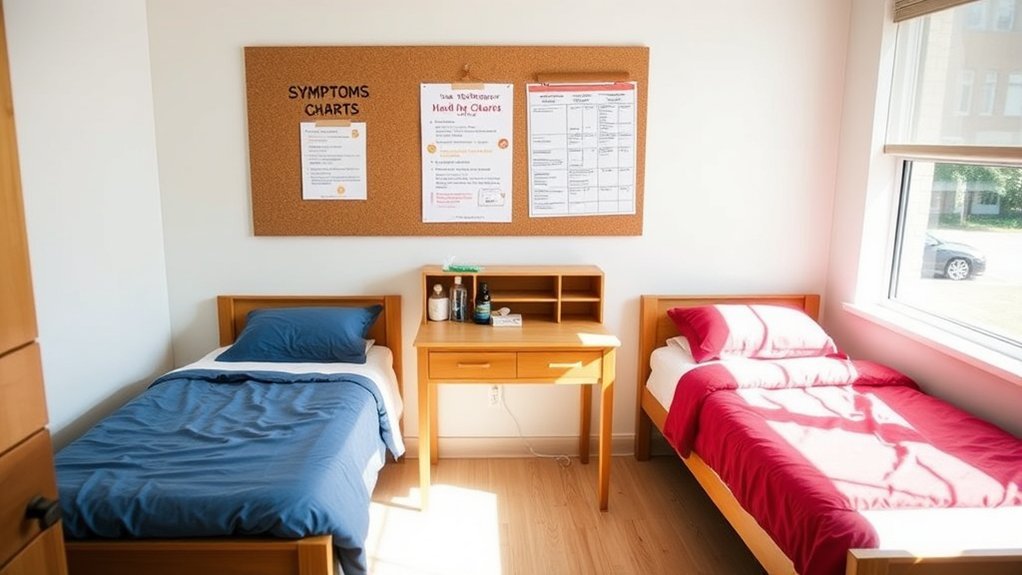
When you share a room, it’s easy to overlook signs that something’s off between you and your housemate. Subtle cues like changes in tone or increased tension can indicate deeper issues. Noticing these symptoms early can prevent resentment from building up. Understanding how to recognize these signs is essential for maintaining a positive living environment. So, what specific behaviors should you be on the lookout for to keep things running smoothly?
Recognizing Communication Breakdown
When you’re sharing a room, it’s essential to recognize the signs of communication breakdown early on. You might notice subtle shifts in tone or body language that signal discomfort.
If conversations feel forced or if your roommate avoids eye contact, it’s a clear indication something’s amiss. Silence can be just as telling; if you find yourselves talking less, it might be time to address underlying issues.
Pay attention to how conflicts are handled—avoiding discussions can lead to resentment. Listen actively to one another’s concerns, and don’t hesitate to initiate honest conversations.
Identifying Conflicting Schedules
Misunderstandings can also arise from conflicting schedules, which often create tension in shared living situations. When you and your roommate have different routines, it’s essential to identify these conflicts early. Open communication can help you both find a balance. Use the table below to track your schedules and address any overlapping time that might disrupt your peace.
| Time Slot | Activity |
|---|---|
| 7 AM – 9 AM | Morning Routine |
| 9 AM – 12 PM | Classes/Work |
| 12 PM – 2 PM | Lunch Break |
| 2 PM – 5 PM | Study/Work |
| 5 PM – 10 PM | Evening Activities |
Monitoring Shared Space Clutter
To keep your shared space tidy, start by identifying what triggers clutter in your environment.
Once you know the causes, establish a clean-up routine that works for everyone.
This proactive approach will help maintain order and make the space more enjoyable for all.
Identifying Clutter Triggers
How do you keep shared spaces from becoming cluttered? Identifying clutter triggers is essential. By recognizing what causes mess, you can take proactive steps to maintain order.
Here are three common triggers to watch for:
- Over-purchasing: Buying items you don’t need can quickly fill your space.
- Lack of designated spots: If everything doesn’t have a home, it’s easy for things to pile up.
- Emotional attachments: Holding onto items because of memories can lead to unnecessary clutter.
Establishing Clean-Up Routines
Establishing clean-up routines is essential for maintaining order in shared spaces, and it doesn’t have to be a chore. By creating simple habits, you can easily manage clutter and promote harmony. Consider implementing a daily or weekly clean-up schedule that everyone agrees on.
| Frequency | Activity |
|---|---|
| Daily | Quick tidy-up |
| Weekly | Deep clean shared areas |
| Monthly | Declutter personal items |
| Seasonal | Revise routines |
Encourage open communication among housemates to keep everyone accountable. When each person contributes, it fosters a sense of ownership and respect for the shared environment. Remember, a clean space can lead to clearer minds and greater freedom.
Assessing Financial Responsibilities
When you share a room, it’s essential to assess how you’ll split rent and utility costs fairly.
You’ll want to take into account each person’s income and usage to guarantee everyone feels comfortable with their financial responsibilities.
Open communication about these expenses can help prevent misunderstandings down the line.
Splitting Rent Equitably
Splitting rent fairly among roommates can make or break your living situation. To guarantee everyone feels comfortable and valued, consider these steps to assess financial responsibilities:
- Room Size and Amenities: Evaluate the size and features of each room. If someone has a larger room or an en-suite bathroom, factor that into their share.
- Income Levels: Discuss each roommate’s financial situation openly. If one of you earns considerably more, it might be fair for them to contribute a bit more.
- Common Areas: Consider the use of common spaces. If you have a spacious living room or balcony that you all enjoy, that might influence how you split costs.
Utility Cost Sharing
Once you’ve figured out how to split the rent, it’s time to tackle utility costs, which can often catch roommates off guard.
Start by listing all the utilities you’ll share—electricity, water, gas, internet, and any extras. It’s important to discuss how to divide these costs fairly. You might choose to split everything equally, or consider usage if one person tends to use more.
Keep track of bills and payment dates to avoid confusion. Using apps or spreadsheets can simplify this process.
Regularly check in with your roommates to reassess your agreement and make adjustments as needed. Open communication guarantees everyone feels comfortable and valued, paving the way for a harmonious living situation.
Observing Changes in Behavior
As you share a room with someone, it’s essential to keep an eye on any changes in their behavior. These shifts can indicate stress, discomfort, or deeper issues. By being observant, you can foster a supportive environment for both of you.
Being observant of your roommate’s behavior can help create a supportive living environment and address potential issues early on.
Here are three key signs to watch for:
- Increased Irritability: If your roommate seems easily annoyed or frustrated, it might reflect underlying stress.
- Withdrawal: Notice if they’re spending more time alone or avoiding conversations; this may signal emotional struggles.
- Changes in Routine: A sudden shift in habits, like sleeping patterns or cleanliness, can indicate something’s off.
Being aware of these changes helps you respond compassionately and maintain a healthy living situation.
Evaluating Personal Boundaries
How can you guarantee a healthy living environment while sharing a room? Evaluating personal boundaries is essential. You’ll want to communicate openly with your roommate about your needs and preferences. Setting clear boundaries helps maintain mutual respect and comfort. Here’s a quick reference to help you identify what to discuss:
| Area | Boundary Tips |
|---|---|
| Privacy | Knock before entering |
| Personal Space | Designate your own areas |
| Quiet Hours | Agree on noise levels |
| Shared Items | Discuss usage and ownership |
Understanding Emotional Discontent
While living with a roommate can be rewarding, it’s not uncommon to experience emotional discontent when personal boundaries clash. Recognizing these feelings is the first step toward liberation.
Here are three key signs that might indicate emotional unease:
- Increased Irritability: You find yourself snapping over small issues or feeling easily frustrated by your roommate’s habits.
- Isolation: You prefer spending time alone rather than engaging in shared activities or conversations.
- Persistent Anxiety: You feel a sense of dread or discomfort every time you think about your living situation.
Understanding these signs can help you address the root cause of your emotional discontent, fostering a healthier living environment.
Frequently Asked Questions
How Can I Improve Communication With My Roommate?
To improve communication with your roommate, schedule regular check-ins, use clear and respectful language, and actively listen. Sharing your feelings openly fosters trust and understanding, making it easier to address any concerns that arise.
What Are Signs of a Toxic Roommate Relationship?
Studies show 60% of college students experience toxic roommate dynamics. If your roommate’s consistently disrespectful, manipulative, or dismissive of your feelings, it’s time to reevaluate the relationship for your emotional well-being and peace of mind.
How Should I Handle a Roommate’s Unexpected Guests?
Discuss your concerns with your roommate calmly and openly. Set clear boundaries about guests, emphasizing mutual respect. If issues persist, consider establishing a written agreement to guarantee everyone feels comfortable in your shared space.
What Steps to Take if My Roommate Refuses to Pay Bills?
Talk to your roommate calmly about the bills, emphasizing fairness and responsibility. If they still refuse, consider setting a deadline for payment or discussing potential consequences, like involving a mediator or adjusting your living arrangements.
How Can I Effectively Set Personal Boundaries With My Roommate?
Think of your space as a garden. To set personal boundaries, communicate openly, express your needs, and cultivate respect. Establish rules that protect your peace, and watch your relationship blossom into something harmonious and fulfilling.
Conclusion
In the tapestry of shared living, threads of communication can fray if you’re not careful. Pay attention to the subtle signs—like the silence that hangs heavy in the air or the cluttered corners that echo unresolved tension. By nurturing open dialogue and addressing issues early, you can weave a harmonious environment where both you and your housemates feel comfortable and respected. Remember, a well-tended space fosters not just cohabitation, but connection and understanding.
