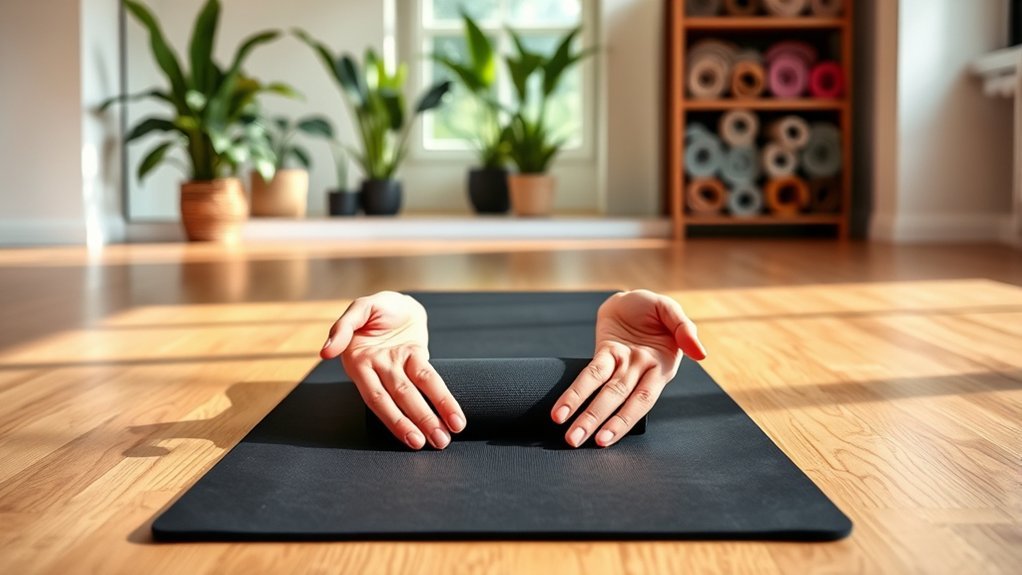
Rolling practice is a fundamental skill that can greatly enhance your agility and coordination. By mastering this technique, you’ll not only improve your physical abilities but also gain confidence in your movements. It’s important to understand the basics and adhere to safety precautions before you begin. Ready to discover the step-by-step techniques that will elevate your rolling skills? Let’s break it down and get you rolling smoothly.
Understanding the Basics of Rolling
Rolling is a fundamental technique that can elevate your skills in various activities, from sports to crafting. By mastering the basics of rolling, you’ll enhance your coordination, balance, and agility.
Start by familiarizing yourself with the motion—whether you’re rolling a ball or a piece of fabric, the principle remains the same: smooth, controlled movements. Focus on your body mechanics; engage your core and maintain a low center of gravity.
Practice consistently to build muscle memory, and don’t hesitate to experiment with different surfaces and speeds. Remember, every expert started as a beginner.
Embrace the learning process, and soon you’ll find that rolling becomes second nature, opening doors to new challenges and experiences. Keep pushing your limits!
Safety Precautions for Rolling Practice
Before you plunge into rolling practice, it’s essential to prioritize safety to guarantee a positive experience.
Taking a few precautions can help you avoid injuries and keep your practice enjoyable. Here are four key safety tips you should follow:
- Wear Protective Gear: Use a helmet, knee pads, and elbow pads to guard against falls.
- Choose a Safe Environment: Practice in a clean, spacious area free from obstacles.
- Warm Up Properly: Stretch and do light exercises to prepare your muscles and joints.
- Stay Hydrated: Drink water before and during practice to maintain your energy levels.
Step-by-Step Techniques for Rolling
Mastering the art of rolling can greatly enhance your physical agility and confidence. Start by finding a comfortable space with plenty of room.
Begin in a standing position; take a step forward with one foot. As you lean into the roll, tuck your chin to your chest to protect your neck. Allow your shoulder to lead as you gently fall to the side, rolling diagonally across your back.
Use your arms to guide the motion and maintain balance. Practice this technique repeatedly, focusing on a smooth, controlled roll. Remember, it’s all about fluidity and ease.
Gradually, you’ll gain comfort and control, helping you to incorporate rolling into various activities with finesse. Stay persistent, and you’ll see improvement!
Progressing Your Rolling Skills
To elevate your rolling skills, it’s essential to incorporate new techniques and challenges into your practice routine. Experimenting with different approaches not only enhances your abilities but also keeps your practice exciting.
Incorporating new techniques into your practice routine keeps your rolling skills sharp and your sessions invigorating.
Here are some ways to push your limits:
- Vary your speed: Practice rolling at both slow and fast paces to gain better control.
- Incorporate obstacles: Use props or uneven surfaces to challenge your balance and adaptability.
- Focus on shifts: Work on moving seamlessly between different rolling techniques.
- Record and review: Capture your sessions on video to identify areas for improvement.
Embrace these challenges, and you’ll find yourself progressing faster than you thought possible.
Incorporating Rolling Into Your Training Routine
Incorporating rolling into your training routine can greatly enhance your overall performance and versatility. It’s essential to start small and gradually build up your skills. Here’s a simple table to guide you in integrating rolling into your practice:
| Day | Focus Area | Duration |
|---|---|---|
| Monday | Basic Techniques | 15 minutes |
| Wednesday | Advanced Moves | 20 minutes |
| Friday | Sparring Drills | 30 minutes |
| Saturday | Recovery Rolling | 10 minutes |
| Sunday | Review & Reflect | 15 minutes |
Frequently Asked Questions
What Equipment Do I Need for Rolling Practice?
You’ll need a comfortable mat, a foam roller, and possibly a resistance band. Having these tools ready helps you enhance your rolling practice. Don’t forget a water bottle to stay hydrated during your sessions!
How Often Should I Practice Rolling Techniques?
You should practice rolling techniques at least three times a week. Consistency is key, and just like a dancer perfects her moves, you’ll find improvement with each session, boosting your confidence and skills remarkably.
Can I Roll on Uneven Surfaces?
Yes, you can roll on uneven surfaces! It challenges your balance and control, enhancing your skills. Just stay cautious, focus on your footing, and practice consistently. You’ll improve faster than you think! Keep rolling!
What Should I Wear During Rolling Practice?
You should wear comfortable, flexible clothing that allows freedom of movement. Opt for supportive footwear, like athletic shoes, to prevent injuries. Don’t forget protective gear, such as knee pads and wrist guards, for added safety during practice!
How Long Does It Take to Master Rolling?
It typically takes several months to master rolling. Imagine yourself, after three months of dedicated practice, confidently executing a perfect roll. Stay consistent, focus on technique, and you’ll see improvement faster than you think!
Conclusion
Mastering rolling practice not only enhances your coordination but also builds confidence in movement. Imagine a martial artist, Sarah, who struggled with balance and agility. After committing to consistent rolling practice, she transformed her performance, seamlessly incorporating rolls into her techniques. You can achieve similar results by dedicating time to this skill. Embrace the journey, stay patient, and watch as your abilities flourish, paving the way for greater achievements in your training routine.
