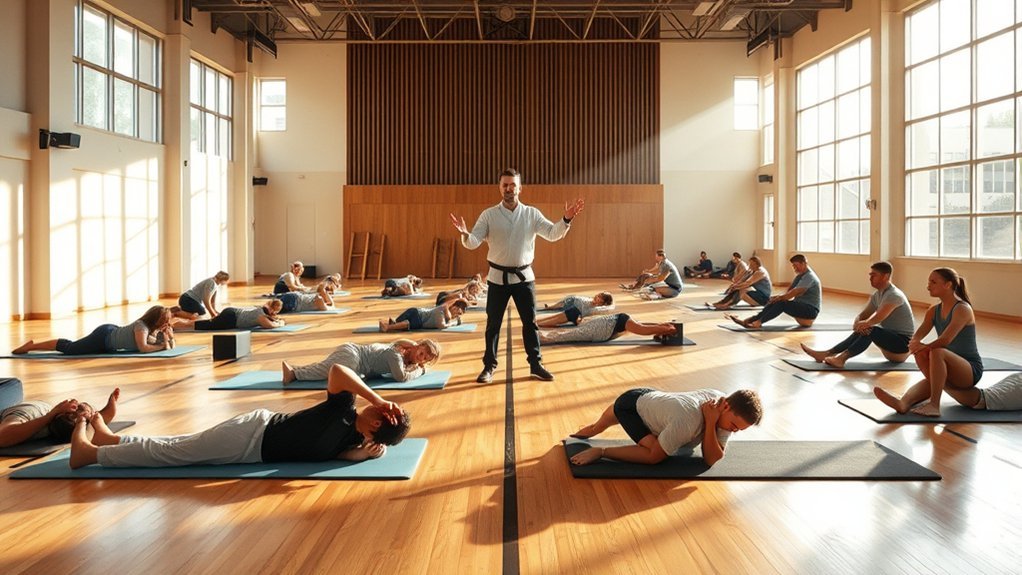
When it comes to rolling practice in martial arts, misconceptions abound. You might think it’s only for beginners or that it raises injury risks, but that’s far from the truth. Rolling is essential for all levels, enhancing both physical and mental skills. It’s also a safe way to build confidence. Curious about how these myths stack up against the facts? Let’s explore the real benefits of rolling.
Common Misconceptions About Rolling Practice
While many enthusiasts believe they understand rolling practice, several misconceptions can hinder effective learning. One common myth is that rolling is only for beginners. In reality, it’s essential for all skill levels; even advanced practitioners benefit from refining their technique.
Another misconception is that rolling should always be intense and competitive. In fact, rolling can be a controlled, cooperative practice that allows you to focus on specific skills without the pressure.
Finally, some think rolling solely develops physical attributes. However, it also enhances mental aspects like strategy and timing, which are critical for success.
The Importance of Rolling for Skill Development
Rolling is essential for skill development because it allows you to apply techniques in real-time, adapting to the dynamic nature of live practice. Engaging in this practice not only boosts your confidence but also enhances your understanding of various strategies.
Here’s why rolling is crucial for your growth:
- Real-time feedback: You learn what works and what doesn’t immediately.
- Situational awareness: You develop the ability to think critically under pressure.
- Skill retention: Regular practice solidifies techniques, making them intuitive.
- Adaptability: You learn to adjust your game plan based on your partner’s movements.
How Rolling Contributes to Injury Prevention
When you engage in rolling, you’re not just honing your skills; you’re also actively reducing your risk of injury. Rolling helps your body adapt to various movements, making it more resilient. It enhances flexibility, strengthens muscles, and promotes body awareness, all essential for preventing injuries.
Here’s a quick overview of how rolling contributes to injury prevention:
| Benefit | Description | Emotional Impact |
|---|---|---|
| Flexibility | Increases range of motion | Freedom in movement |
| Muscle Strength | Builds supportive muscles | Confidence in your body |
| Body Awareness | Improves spatial perception | Sense of control |
| Recovery | Aids in muscle recovery | Relief from tension |
| Injury Adaptation | Prepares for unexpected falls | Assurance in practice |
The Role of Rolling in Building Sparring Confidence
As you incorporate rolling into your training routine, you’ll likely notice a significant boost in your sparring confidence.
Rolling helps you develop essential skills in a controlled environment, allowing you to face your fears and improve your game. Here’s how it contributes to your confidence:
- Improved Technique: You’ll refine your moves, making them instinctive during sparring.
- Increased Awareness: Rolling enhances your situational awareness, helping you read opponents better.
- Stress Management: You’ll learn to stay calm under pressure, which is vital during sparring.
- Experience: The more you roll, the more comfortable you become with the unpredictability of sparring.
With these benefits, you’ll find that rolling not only elevates your skill but also transforms your mindset in the ring.
Debunking Myths: Evidence-Based Insights on Rolling Practice
While many practitioners hold onto myths about rolling, evidence shows that it’s an essential element for skill development in martial arts. Rolling enhances your ability to apply techniques under pressure, improves decision-making, and builds resilience. Here’s a quick breakdown of common myths versus facts:
| Myth | Fact | Evidence |
|---|---|---|
| Rolling isn’t necessary | It builds practical skills | Studies show improved performance |
| It leads to injuries | Controlled environments reduce risk | Safety protocols are effective |
| It’s just for advanced students | Beginners benefit too | Early exposure accelerates learning |
Understanding these insights helps you appreciate the value of rolling. Embrace it as a foundational practice to boost your skills and confidence on the mat!
Frequently Asked Questions
How Often Should I Incorporate Rolling Into My Training Routine?
Incorporate rolling into your training routine two to three times a week. It helps improve flexibility, reduce soreness, and enhance recovery. Listen to your body; adjust frequency based on your specific needs and training intensity.
Can Rolling Improve My Performance in Competitions?
Yes, rolling can improve your performance in competitions. By enhancing flexibility, reducing muscle soreness, and promoting recovery, you’ll feel more prepared and agile, allowing you to compete at your best when it matters most.
What Should I Wear During Rolling Practice?
You should wear comfortable, breathable clothing that allows for ease of movement, like athletic shorts and a moisture-wicking shirt. Don’t forget supportive footwear to prevent injury and guarantee stability during your rolling practice.
Is Rolling Safe for Beginners?
Absolutely, rolling’s safe for beginners! Like learning to ride a bike, you’ll gain skills over time. With proper guidance and protective gear, you’ll build confidence and enjoy the benefits of rolling in no time.
How Can I Find a Rolling Partner or Team?
To find a rolling partner or team, join local martial arts classes, attend open mats, or connect through online forums. Networking with fellow practitioners can help you discover compatible partners for practice and skill development.
Conclusion
In summary, rolling practice isn’t just for beginners; it’s an essential component of martial arts for all skill levels. Did you know that 70% of martial artists report feeling more confident in their techniques after regular rolling sessions? This statistic highlights how important rolling is for skill development and injury prevention. By embracing rolling, you’ll not only enhance your physical abilities but also cultivate mental resilience, ensuring a safer and more effective training experience. So get rolling!
