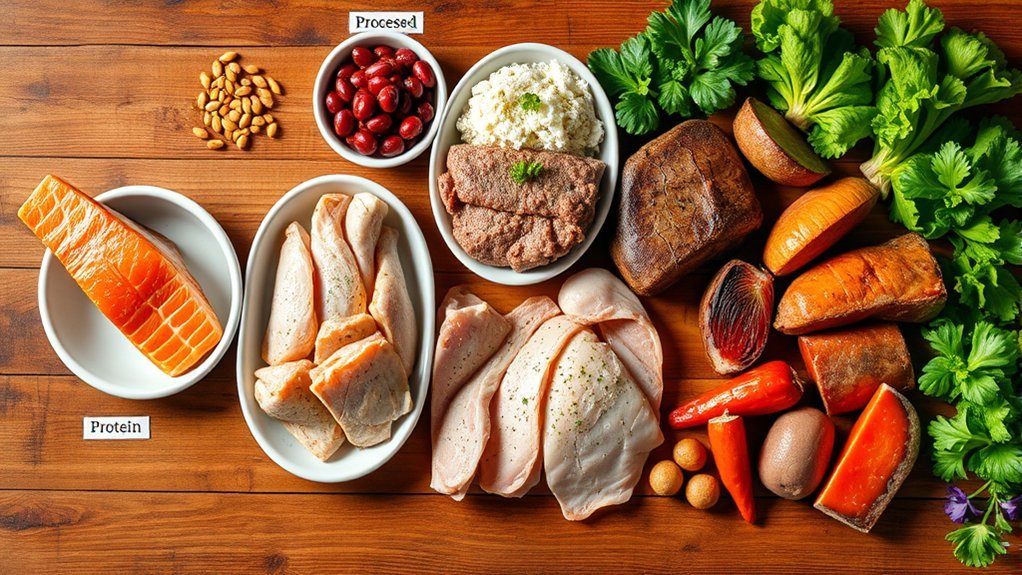
Did you know that about 15% of your daily caloric intake should come from protein? This essential macronutrient plays a vital role in muscle repair and overall health. However, not all protein sources are created equal. By understanding the do’s and don’ts of protein selection, you can enhance your diet and support your fitness goals more effectively. What should you prioritize, and what should you avoid? Let’s explore the answers together.
Understanding Different Protein Sources
When you consider your dietary choices, understanding different protein sources is essential for maintaining a balanced nutrition plan. Protein can come from various sources, including animal-based and plant-based options. Animal proteins, like meat, fish, and dairy, provide complete proteins, meaning they contain all essential amino acids your body needs. On the other hand, plant-based proteins, such as beans, lentils, nuts, and whole grains, often lack one or more essential amino acids but can be combined to create a complete protein profile. It’s important to diversify your protein sources to guarantee you’re getting a well-rounded intake of nutrients. Be mindful of your choices; some sources may contain added fats or sugars that can impact your overall health.
The Benefits of Lean Animal Proteins
Lean animal proteins offer significant nutrient density, providing essential vitamins and minerals without excess calories. Their low fat content makes them a heart-healthy choice for your meals. Plus, their versatility in cooking means you can easily incorporate them into a variety of dishes, keeping your diet both interesting and nutritious.
Nutrient Density Advantages
While many protein sources exist, lean animal proteins stand out for their nutrient density, offering essential amino acids, vitamins, and minerals in lower fat and calorie content. These proteins, like chicken, turkey, and fish, provide high-quality protein that supports muscle growth, repair, and overall health. They’re also rich in crucial nutrients such as B vitamins, iron, and zinc, which play important roles in energy production, immune function, and cognitive health. By incorporating lean animal proteins into your diet, you can enhance your nutrient intake without excessive calories. Additionally, these proteins can help you feel satiated, making it easier to maintain a balanced diet. Prioritizing nutrient-dense options guarantees you meet your nutritional needs effectively.
Low Fat Content
Many individuals seek ways to reduce their fat intake without sacrificing protein quality, and that’s where lean animal proteins come into play. These proteins not only provide essential amino acids but also help you manage your weight and support muscle growth. Choosing lean options can lower your saturated fat intake, promoting heart health.
Here’s a quick comparison of some lean animal protein sources:
| Protein Source | Fat Content (per 3 oz) |
|---|---|
| Skinless Chicken | 3g |
| Turkey Breast | 1g |
| Lean Beef (Sirloin) | 5g |
| Pork Tenderloin | 3g |
Incorporating these lean proteins into your diet can help you achieve a balanced, nutritious meal plan while keeping fat levels in check.
Versatile Cooking Options
When it comes to meal preparation, the versatility of lean animal proteins offers countless opportunities to create flavorful and nutritious dishes. Options like chicken, turkey, and fish can be grilled, baked, or stir-fried, allowing you to experiment with various cuisines and flavors. Their lower fat content makes them a healthier choice, helping you maintain a balanced diet without sacrificing taste. You can also easily incorporate lean proteins into salads, wraps, or stews, making meal prep both simple and diverse. Plus, they cook quickly, saving you time on busy nights. By choosing lean animal proteins, you not only enhance your meals but also support your health goals, providing essential amino acids your body needs for muscle repair and overall well-being.
Exploring Plant-Based Protein Options
As you explore plant-based protein options, you’ll find a diverse array of foods that can help meet your nutritional needs. Legumes like lentils and chickpeas are excellent sources, providing around 15 grams of protein per cooked cup. Quinoa, a complete protein, offers about 8 grams per cup, making it a versatile choice for various dishes. Nuts and seeds, such as almonds and chia seeds, add healthy fats along with protein, contributing approximately 6 grams per ounce. Tofu and tempeh, derived from soybeans, are packed with protein, delivering around 10-20 grams per serving. Incorporating these foods not only supports your protein intake but also enhances your diet with essential vitamins and minerals, promoting overall health and well-being.
Common Mistakes When Choosing Protein
How often do you consider the quality of the protein sources you’re choosing? Many people make common mistakes that can impact their health and nutrition. Here are four pitfalls to avoid:
- Ignoring Protein Quality: Not all proteins are created equal. Prioritize complete proteins that contain all essential amino acids.
- Overlooking Processed Options: Processed protein sources can be high in unhealthy additives. Opt for whole, natural foods when possible.
- Neglecting Variety: Relying on one type of protein can lead to nutrient deficiencies. Include a mix of animal and plant-based proteins.
- Focusing Solely on Quantity: More isn’t always better. Listen to your body’s needs and balance your intake with other nutrients for peak health.
Balancing Protein Intake With Other Nutrients
When it comes to protein intake, prioritizing whole food sources is vital for overall health. Incorporating a variety of nutrient profiles not only enhances your diet but also guarantees you’re getting essential vitamins and minerals. Balancing protein with other nutrients helps support ideal body function and prevents deficiencies.
Prioritize Whole Food Sources
While it’s tempting to focus solely on protein for muscle building or weight management, prioritizing whole food sources guarantees you’re also getting a range of essential nutrients. Whole foods not only provide quality protein but also contribute to overall health. Here are some benefits of prioritizing them:
- Vitamins and Minerals: Whole foods are rich in micronutrients that support various bodily functions.
- Fiber: Foods like legumes and whole grains offer fiber, aiding digestion and promoting satiety.
- Healthy Fats: Sources like nuts and avocados provide heart-healthy fats that are crucial for brain health.
- Antioxidants: Fruits and vegetables contain antioxidants that help combat oxidative stress.
Incorporate Diverse Nutrient Profiles
Prioritizing whole food sources lays the groundwork for a balanced diet that incorporates diverse nutrient profiles. By combining protein with various fruits, vegetables, and whole grains, you guarantee you’re not just meeting your protein needs but also gaining essential vitamins, minerals, and fiber. Here’s a quick reference:
| Food Source | Protein (g) | Nutrients |
|---|---|---|
| Lentils | 18 | Folate, iron, fiber |
| Quinoa | 8 | Magnesium, antioxidants |
| Almonds | 6 | Vitamin E, healthy fats |
| Spinach | 5 | Vitamin K, calcium |
| Salmon | 22 | Omega-3s, B vitamins |
Incorporating diverse nutrient profiles enhances your overall health and supports your body’s functions effectively.
Tips for Meal Planning With Protein in Mind
To effectively plan your meals with protein in mind, it’s essential to contemplate a variety of protein sources that fit your dietary preferences and nutritional needs. Here are some tips to help you:
- Include Lean Meats: Opt for chicken, turkey, or fish to provide high-quality protein with less saturated fat.
- Explore Plant-Based Options: Incorporate beans, lentils, and tofu for a balanced protein intake, especially if you’re vegetarian or vegan.
- Snack Wisely: Choose protein-rich snacks like Greek yogurt or nuts to keep your energy levels stable throughout the day.
- Plan for Variety: Rotate your protein sources to guarantee you’re getting a wide range of essential amino acids and nutrients.
Frequently Asked Questions
How Much Protein Do I Need Daily?
You need about 0.8 grams of protein per kilogram of body weight daily. If you’re active or older, you might require more. Adjust your intake based on your lifestyle, health goals, and specific needs.
Can I Get Enough Protein on a Vegan Diet?
Yes, you can get enough protein on a vegan diet. Focus on diverse sources like legumes, nuts, seeds, and whole grains. Combining these foods guarantees you meet your protein needs without animal products.
What Are the Best Protein Sources for Athletes?
For athletes, lean meats, fish, eggs, dairy, legumes, and whole grains are top protein sources. Incorporating a variety guarantees you get essential amino acids and nutrients, helping your body recover and perform at its best.
Is Protein Powder Necessary for Building Muscle?
Protein powder isn’t necessary for building muscle, but it can be convenient. If you struggle to meet your protein needs through whole foods, protein powder can help you reach your goals effectively without excessive effort.
How Do I Know if I’m Getting Enough Protein?
You can track your protein intake by calculating your daily needs based on your activity level and goals. Aim for 0.8 to 1.2 grams per kilogram of body weight, adjusting as necessary for muscle gain or maintenance.
Conclusion
Incorporating a mix of lean animal and plant-based proteins is key to a balanced diet. For instance, imagine Sarah, an active runner, who combines grilled chicken with quinoa and lentils, ensuring she gets all essential amino acids. By diversifying her protein sources, she fuels her body effectively while avoiding deficiencies. Listen to your body and adjust your intake based on your activity level. Remember, a well-rounded approach to protein enhances your overall health and performance.
