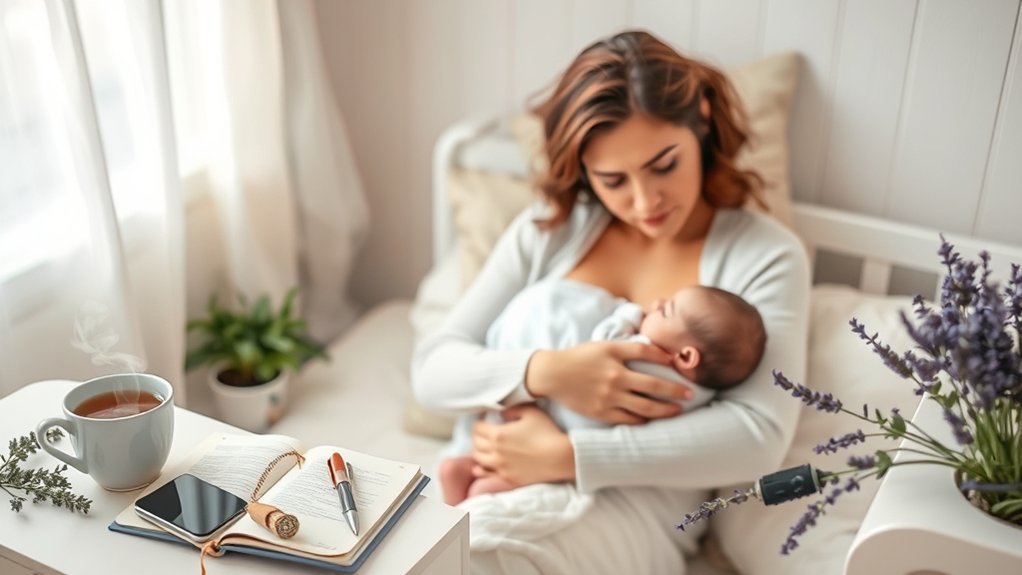
Like a shadow lurking after sunrise, postpartum anxiety can catch you off guard. It’s vital to understand that you’re not alone in this struggle. Many new parents experience similar emotions, yet discussing them often feels intimidating. By recognizing the signs and knowing what to do—and what not to do—you can begin to navigate this challenging time more effectively. What steps can you take to support your mental well-being as you embrace parenthood?
Understanding Postpartum Anxiety
Understanding postpartum anxiety is essential, especially since many new parents experience it without recognizing the signs. This condition can manifest as persistent worry, fear, or intrusive thoughts about your baby’s well-being.
It’s normal to feel overwhelmed after childbirth, but if those feelings intensify and interfere with your daily life, it might be postpartum anxiety. Research shows that around 10-15% of new mothers experience this, yet many don’t seek help. Knowing that you’re not alone can be comforting.
Factors like hormonal changes, lack of sleep, and the immense responsibility of caring for a newborn can contribute to your anxiety. Acknowledging these feelings is the first step towards finding support and effective coping strategies.
Recognizing the Signs and Symptoms
How can you tell if you’re experiencing postpartum anxiety? It’s important to recognize the signs and symptoms early.
You might feel overwhelming worry or fear about your baby’s health, along with constant restlessness or irritability. Sleep disturbances, even when you have the chance to rest, are common.
You may also experience physical symptoms like a racing heart, shortness of breath, or stomach issues. If you find it hard to concentrate or feel detached from your baby, these could also be indicators.
Remember, it’s normal to feel a mix of emotions after childbirth, but persistent anxiety can interfere with your daily life and bonding with your baby.
Trust your instincts; acknowledging these feelings is a vital first step.
Do: Seek Professional Help
If you’re feeling overwhelmed by anxiety after giving birth, seeking professional help can be an essential step towards finding relief.
Mental health professionals, like therapists or counselors, specialize in postpartum issues and can provide tailored strategies to manage your anxiety. They can help you explore your feelings, develop coping mechanisms, and offer support that’s important during this transformative time.
Research shows that therapy, particularly cognitive-behavioral therapy, can greatly reduce symptoms of postpartum anxiety.
Don’t hesitate to reach out; many women experience similar feelings, and you’re not alone.
Don’t: Isolate Yourself
While it might be tempting to retreat into solitude when feeling anxious after childbirth, isolating yourself can exacerbate feelings of loneliness and overwhelm.
Staying connected is essential for your mental health. Here are three reasons to avoid isolation:
- Supportive Connections: Engaging with friends and family can provide emotional support and practical help, making your experience less burdensome.
- Shared Experiences: Talking with others who’ve gone through similar challenges can help you feel understood and less alone in your struggles.
- Professional Guidance: Maintaining connections allows you to seek professional help more easily, as loved ones can assist in recognizing when you need it.
Do: Build a Support Network
Building a support network is a powerful way to combat the feelings of anxiety that can follow childbirth. Surrounding yourself with family and friends who understand your experience provides emotional relief.
These connections can offer practical help, like babysitting or meal preparation, easing your daily stressors. Research shows that social support notably reduces postpartum anxiety levels.
Don’t hesitate to reach out to other new parents; sharing experiences can foster understanding and reduce feelings of isolation. Consider joining a local parenting group or online community where you can connect with others facing similar challenges.
Don’t: Dismiss Your Feelings
Acknowledging your feelings is essential in managing postpartum anxiety. It’s easy to brush off your emotions, but doing so can intensify your struggles. Recognizing your feelings allows you to address them effectively.
Acknowledging your feelings is vital for managing postpartum anxiety and can significantly help in addressing your struggles.
Here are three key reasons not to dismiss your feelings:
- Validation: Your emotions are real and deserve acknowledgment. Feeling anxious doesn’t make you a bad parent; it makes you human.
- Communication: Sharing your feelings with loved ones can foster understanding and support, which is crucial for recovery.
- Professional Help: Ignoring your feelings may delay seeking necessary help. A mental health professional can provide valuable coping strategies.
Do: Practice Self-Care
Taking care of yourself is vital during this challenging time.
Prioritizing your well-being, scheduling regular me-time, and engaging in relaxation activities can greatly reduce anxiety and improve your overall mood.
Prioritize Your Well-Being
While it might feel like there’s little time for yourself after welcoming a new baby, prioritizing your well-being through self-care is essential for managing postpartum anxiety.
Remember, taking care of yourself isn’t selfish—it’s necessary. Here are three simple ways to practice self-care:
- Get enough sleep: Ask for help so you can catch up on rest. Sleep is vital for both mental and physical health.
- Stay active: Even short walks can boost your mood and energy levels. Movement releases endorphins that help fight anxiety.
- Connect with others: Reach out to friends or join a support group. Sharing your experiences can provide comfort and understanding.
Schedule Regular Me-Time
Amid the whirlwind of new parenthood, carving out regular “me-time” is essential for your mental health. This is your opportunity to recharge and reconnect with yourself. Here’s how you can effectively schedule that time:
| Activity | Timeframe |
|---|---|
| Short Walk | 15-20 minutes |
| Reading a Book | 30 minutes |
| Meditation or Journaling | 10-15 minutes |
Engage in Relaxation Activities
Engaging in relaxation activities is essential for managing postpartum anxiety, as it allows you to nurture both your body and mind.
Carving out time for self-care can greatly improve your mental well-being. Here are three effective relaxation activities to contemplate:
- Mindfulness Meditation: Spend a few minutes each day focusing on your breath, which can help ground you and reduce anxiety.
- Gentle Yoga: Incorporating gentle stretches can relieve tension and promote relaxation, making it easier to cope with stress.
- Creative Outlets: Engage in activities like painting, journaling, or knitting to express yourself and distract your mind from anxious thoughts.
Don’t: Compare Yourself to Others
When you’re steering through the challenges of postpartum anxiety, it’s easy to fall into the trap of comparing your journey to that of other new parents.
Social media often highlights glamorous moments, but remember, those snapshots don’t show the full picture. Each parent’s experience is unique, influenced by various factors like mental health, support systems, and personal circumstances.
Research indicates that comparison can exacerbate feelings of inadequacy and anxiety, making it harder to cope. Instead of measuring your worth against others, focus on your own progress and set realistic expectations.
Celebrate small victories and seek support from those who understand your experience. Embrace your journey; it’s valid and deserving of kindness, just as much as anyone else’s.
Do: Educate Yourself and Others
Educating yourself and others about postpartum anxiety can be a powerful step toward healing and support. By understanding the condition, you can foster a more compassionate environment for yourself and those around you.
Here are three ways to educate effectively:
- Read Evidence-Based Resources: Look for reputable books, articles, and online courses that explain postpartum anxiety, its symptoms, and treatments. Knowledge is empowering.
- Engage in Conversations: Share your experiences and encourage open discussions with friends, family, or support groups. This helps normalize the conversation around postpartum anxiety.
- Advocate for Awareness: Use your voice to promote awareness in your community. Advocate for professional help and resources to guarantee everyone knows they’re not alone.
Frequently Asked Questions
Can Postpartum Anxiety Occur Without Depression?
Yes, postpartum anxiety can occur without depression. You might experience anxiety symptoms like excessive worry or restlessness while feeling emotionally stable otherwise. It’s important to recognize and address these feelings for your well-being and support.
How Long Does Postpartum Anxiety Typically Last?
Like a storm passing through, postpartum anxiety can last from a few weeks to several months. It varies for each person, but seeking support and coping strategies often helps you find calmer skies ahead.
Are There Specific Treatments for Postpartum Anxiety?
Yes, specific treatments for postpartum anxiety include therapy, medication, and support groups. You might find cognitive-behavioral therapy effective, and discussing medication options with your doctor can help you feel more balanced and supported.
Can Postpartum Anxiety Affect Breastfeeding?
Postpartum anxiety can cast a shadow over breastfeeding, making it harder for you to relax and connect. Stress may reduce milk supply and impact your baby’s feeding patterns, so seeking support is essential for both of you.
Is Postpartum Anxiety Hereditary?
Yes, postpartum anxiety can be hereditary. If you have a family history of anxiety disorders, it might increase your risk. Understanding this can help you seek support and manage your mental health effectively.
Conclusion
Maneuvering postpartum anxiety can feel like wandering through a dense fog, but remember, you’re not alone on this journey. By seeking help, building a support network, and practicing self-care, you can find your way back to clarity. Your feelings matter; they’re the brushstrokes that create your unique parenting masterpiece. Embrace your path, educate yourself, and let the warmth of connection guide you toward healing. Trust that brighter days are ahead, waiting just beyond the haze.
