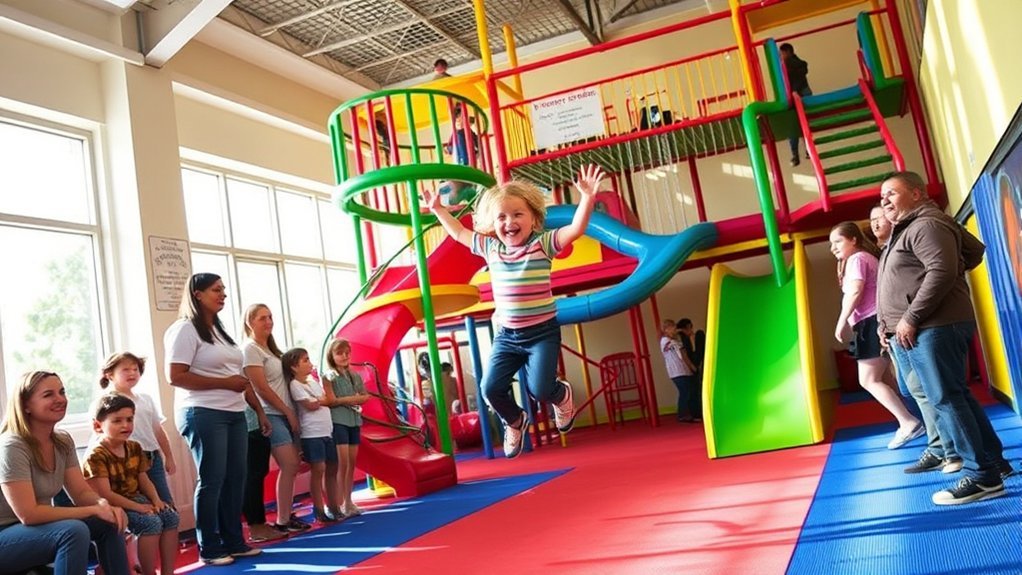
Play gyms can be a delightful playground for children, offering numerous developmental advantages. However, they also come with certain pitfalls that can compromise safety. From sharp edges to insufficient supervision, these environments might not be as secure as you think. Understanding these risks is essential for ensuring a safe experience. What specific factors contribute to these hazards, and how can you protect your child while they enjoy their time at play?
Understanding the Benefits of Play Gyms
When you consider the myriad ways to support your child’s development, play gyms stand out as a versatile option. They offer a stimulating environment that encourages sensory exploration and physical activity.
As your child reaches for toys, they enhance their motor skills and hand-eye coordination. Additionally, the vibrant colors and varied textures promote visual and tactile engagement, fostering cognitive growth.
Play gyms also encourage social interaction if siblings or friends join in, helping your child develop essential communication skills. Importantly, they create a safe space where your little one can experiment and play freely.
Play gyms foster social interaction and communication skills, providing a safe space for your child to explore and play freely.
Balancing fun and developmental benefits, play gyms provide an enriching experience that can lay the foundation for your child’s lifelong learning and growth.
Common Hazards in Play Gyms
While play gyms provide a wealth of developmental benefits, it is crucial to recognize the common hazards that can pose risks to your child’s safety. Many parents overlook these dangers, which can lead to accidents and injuries.
| Hazard Type | Description | Prevention Tips |
|---|---|---|
| Sharp Edges | Edges can cause cuts and bruises. | Inspect for sharp areas. |
| Loose Equipment | Items may detach and create tripping hazards. | Regularly check for stability. |
| Inadequate Padding | Insufficient cushioning can lead to serious falls. | Confirm proper matting is in place. |
Equipment Design Flaws
When you consider play gyms, it’s vital to examine potential equipment design flaws, particularly regarding material durability and safety standards compliance.
Weak materials can lead to unexpected failures, putting children at risk during play.
Ensuring that equipment meets safety standards isn’t just about regulations; it’s about protecting our kids while they enjoy their time on the playground.
Material Durability Issues
Although play gyms are designed to provide a safe and stimulating environment for children, material durability issues often arise due to inherent design flaws. These flaws can lead to premature wear and tear, compromising the overall safety of the equipment. You might notice certain materials degrading faster than expected, raising concerns about their reliability.
| Issue | Impact |
|---|---|
| Weak plastic joints | Risk of structural failure |
| Thin fabric covers | Increased tear likelihood |
| Low-quality fasteners | Potential for accidents |
Addressing these issues early on can help guarantee that your children enjoy a safe play experience. Regularly inspecting equipment for signs of wear is vital in maintaining a secure environment.
Safety Standards Compliance
Material durability issues can often be linked to lapses in safety standards compliance during the design phase of play gyms. When manufacturers overlook regulations, they risk creating equipment that can’t withstand the rigors of active play.
You may wonder how such flaws occur; often, it’s due to cost-cutting measures or inadequate testing procedures. These decisions can lead to equipment that’s not only less durable but also poses safety risks to children.
For parents, understanding these compliance issues is essential. It empowers you to make informed choices when selecting play gyms. Always look for certifications and reviews that highlight adherence to safety standards.
Your child’s safety should never be compromised, and being vigilant can help guarantee a safe play experience.
Inadequate Supervision
Inadequate supervision can greatly heighten the risks associated with play gyms, as children often engage in unpredictable behaviors that may lead to accidents.
Inadequate supervision significantly increases the risks at play gyms, where children’s unpredictable behaviors can lead to accidents.
When you’re preoccupied or distracted, it’s easy to miss critical moments when a child might be in danger. Climbing too high, jumping off equipment, or engaging in rough play can escalate quickly.
Without attentive adults nearby, these situations can result in serious injuries. It’s essential to maintain an active presence, ensuring you’re observing your child’s actions closely.
This not only fosters a safer environment but also promotes their social interactions and problem-solving skills. By prioritizing supervision, you can greatly reduce the likelihood of accidents and help your children enjoy their playtime safely.
Age Appropriateness of Play Equipment
Choosing play equipment that’s age-appropriate is essential for guaranteeing your child’s safety and enjoyment.
When selecting play gyms, consider the following factors:
- Developmental stage: Guarantee the equipment matches your child’s physical and cognitive abilities.
- Size and scale: Look for equipment designed for your child’s height and weight to prevent accidents.
- Safety features: Check for rounded edges, non-toxic materials, and secure structures.
- Supervision requirements: Some equipment may need more supervision than others, affecting safety.
- Skill enhancement: Choose items that promote skill development suitable for their age.
Surface Material Choices
When selecting the right surface for play gyms, it’s essential to evaluate how different materials can impact your child’s safety and enjoyment. You’ll want to take into account factors like cushioning, durability, and maintenance. Here’s a quick comparison of common surface materials:
| Material | Pros |
|---|---|
| Rubber Tiles | Excellent shock absorption |
| Wood Chips | Natural feel, good drainage |
| Foam Padding | Soft, lightweight, easy to install |
| Artificial Turf | Low maintenance, durable |
Environmental Factors and Safety
While it’s easy to focus solely on the play gym’s surface materials, environmental factors play an essential role in guaranteeing your child’s safety during playtime.
You need to take into account various aspects of the environment that can influence your child’s experience and well-being.
- Space: Confirm there’s ample room to prevent collisions.
- Lighting: Adequate lighting helps you monitor your child effectively.
- Ventilation: Good airflow keeps the area comfortable and reduces the risk of overheating.
- Surroundings: Remove hazards like sharp objects or tripping points nearby.
- Weather: Be cautious of outdoor play during extreme weather conditions.
Parental Awareness and Education
As a parent, understanding safety guidelines is essential for your child’s well-being in play gyms.
Regularly inspecting equipment and knowing proper supervision standards can greatly reduce the risk of accidents.
Importance of Safety Guidelines
Understanding the importance of safety guidelines in play gyms is essential for parents concerned about their children’s well-being.
By taking the time to educate yourself on these guidelines, you can greatly reduce the risk of injuries.
Here are key points to contemplate:
- Always supervise your child during playtime.
- Make sure the equipment is age-appropriate and safe.
- Review safety rules with your child before they play.
- Check for any hazards, such as loose parts or sharp edges.
- Encourage your child to use equipment properly to prevent accidents.
Regular Equipment Inspections
Regular equipment inspections are crucial for ensuring a safe play environment for your child. By routinely checking the play gym, you can identify potential hazards like loose parts, sharp edges, or worn-out surfaces that could lead to accidents.
It’s important to familiarize yourself with the equipment’s specific maintenance needs; some materials may require more frequent inspections than others. Document your findings and address any issues immediately, whether that means tightening screws or replacing damaged components.
Educating yourself about the play gym’s safety features empowers you to make informed decisions. Remember, a proactive approach not only protects your child but also fosters a sense of trust in the play environment, allowing them to explore and enjoy their playtime safely.
Educating on Supervision Standards
While you might assume that your child can play independently, being aware of supervision standards is essential for their safety.
Understanding how to supervise your child effectively can prevent accidents and injuries at play gyms. Here are some key points to keep in mind:
- Always stay within arm’s reach of younger children.
- Regularly check on older kids, confirming they’re using the equipment safely.
- Know the age and weight limits for each piece of equipment.
- Verify the play area is free from hazards, like loose toys or debris.
- Educate your child on safe play behaviors and encourage communication.
Recommended Safety Practices
To guarantee your child enjoys play gyms safely, it’s crucial to follow specific safety practices that minimize risks.
First, always inspect the play gym before use. Look for any loose parts, sharp edges, or potential hazards that could cause injury. Verify the equipment is age-appropriate; each gym is designed for specific developmental stages.
Always check the play gym for loose parts and sharp edges before use, ensuring it suits your child’s developmental stage.
Supervise your child closely, but also teach them to use the equipment correctly. Encourage them to take turns and be mindful of others to prevent accidental collisions.
Finally, confirm the play area is clean and free from debris.
Reporting and Addressing Injuries in Play Gyms
In the event your child gets injured at a play gym, it’s essential to act swiftly and effectively to guarantee their well-being.
First, make certain your child receives immediate medical attention if necessary.
Next, document the incident thoroughly. This includes:
- Noting the time and location of the injury
- Taking photos of the area and equipment involved
- Collecting witness statements from staff or other parents
- Reporting the injury to the play gym management
- Reviewing safety protocols with the staff
Addressing the injury promptly not only helps your child but also contributes to improving safety standards within the facility.
Frequently Asked Questions
What Are the Most Common Injuries in Play Gyms?
You’ll often see sprains, fractures, and bruises as the most common injuries in play gyms. Kids might trip, fall, or collide with equipment, so it’s vital to supervise closely and guarantee safe play environments.
How Often Should Play Gym Equipment Be Inspected?
You should inspect play gym equipment at least once a month. Imagine a child slipping due to worn-out mats; regular checks can prevent such accidents, ensuring safety and peace of mind for everyone involved.
Are There Regulations for Play Gym Safety in the US?
Yes, there are regulations for play gym safety in the U.S. These guidelines, established by organizations like ASTM and CPSC, help guarantee equipment is safe and minimizes the risk of injury for children.
How Can I Choose a Safe Play Gym for My Child?
To choose a safe play gym, inspect equipment for damage, guarantee adequate padding, check supervision levels, and read reviews. Trust your instincts, and always prioritize your child’s safety and enjoyment while they explore and play.
What Should I Do if My Child Gets Injured at a Play Gym?
If your child gets injured at a play gym, stay calm. Assess the injury and seek immediate medical attention if necessary. Notify the staff about the incident so they can address safety concerns effectively.
Conclusion
To sum up, while play gyms offer invaluable developmental benefits for children, they also come with significant risks. Did you know that nearly 200,000 children visit emergency rooms each year due to playground-related injuries? This stark statistic highlights the need for proper supervision, design improvements, and parental awareness. By implementing recommended safety practices and staying informed, you can help create a safer play environment, allowing kids to enjoy their play while minimizing the potential for injury.
