Picky eating can be a frustrating challenge for parents, yet it often stems from a child’s natural curiosity about food. Understanding how to prevent this behavior is essential for fostering healthy eating habits. By introducing a variety of foods early on and creating a positive mealtime environment, you can set the stage for a lifetime of adventurous eating. So, how can you effectively encourage your child to embrace new flavors and textures?
Understanding Picky Eating: Causes and Concerns
Understanding picky eating can be important, especially when you consider how it affects children’s nutrition and development. Picky eating often stems from a mix of genetics, sensory sensitivities, and developmental stages. Children may reject certain foods due to their textures, colors, or tastes, which can be completely normal. However, it’s essential to address these habits early on, as they can lead to nutritional deficiencies if left unchecked. Research shows that a limited diet can impact growth and cognitive function. You might feel frustrated, but remember that patience and positive reinforcement play crucial roles in encouraging healthier eating habits. Engaging your child in discussions about food can also help them feel more comfortable exploring different options.
Start Early: Introducing a Variety of Foods
Introducing a variety of foods early in a child’s life can greatly influence their eating habits and preferences later on. Research shows that children exposed to diverse flavors and textures during their formative years are more likely to embrace a broader diet as they grow. Start by incorporating fruits, vegetables, whole grains, and proteins into meals, even if your child initially resists. Repeated exposure is key; studies indicate that it may take several tries before a child accepts a new food. Make mealtimes an opportunity to explore different cuisines and flavors together. By fostering an open attitude towards food, you help your child develop a healthy relationship with eating, reducing the likelihood of picky eating behaviors in the future.
Make Mealtimes Fun and Engaging
Making mealtimes fun and engaging can greatly influence your child’s attitude toward food. By focusing on colorful plate presentations, involving them in interactive cooking activities, and hosting themed meal nights, you create a positive atmosphere that encourages exploration of new foods. When children associate mealtime with joy and creativity, they’re more likely to expand their palates and try different dishes.
Colorful Plate Presentation
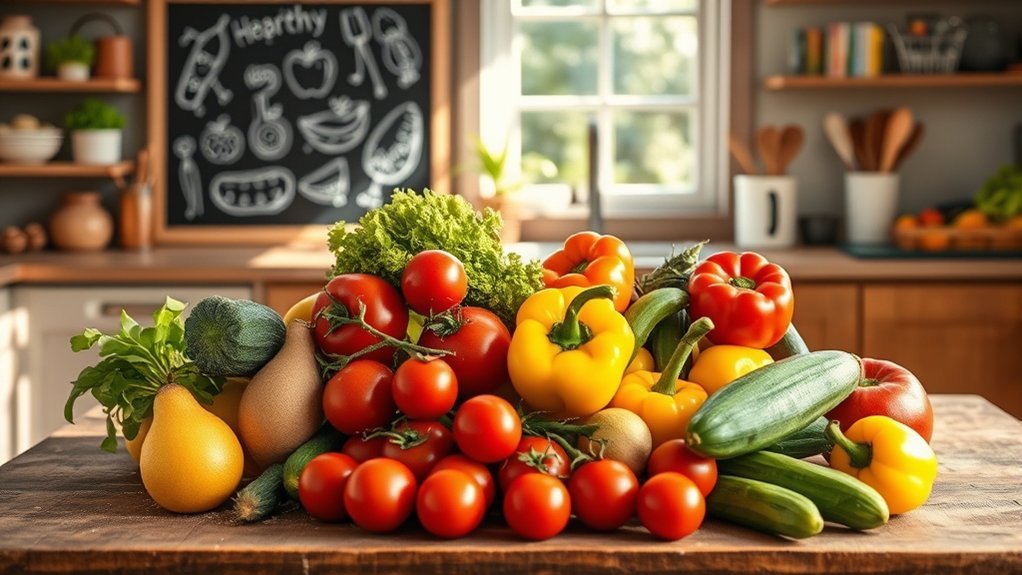
Creating a colorful plate can transform mealtimes into a fun and engaging experience for picky eaters. Studies show that vibrant colors can stimulate appetite and curiosity, encouraging kids to try new foods. Start by incorporating a variety of fruits and vegetables, like bright bell peppers, deep green spinach, and juicy berries. Presenting food in a visually appealing way can pique interest; consider arranging items in fun shapes or patterns. Use colorful bowls or plates to further enhance the appeal. When kids see a rainbow of colors, they’re more likely to explore different textures and flavors. Remember, the goal is to make eating enjoyable, not stressful. With a little creativity, you can turn every meal into an exciting adventure!
Interactive Cooking Activities
When you involve kids in the cooking process, you not only make mealtimes more enjoyable but also encourage them to try new foods. Research shows that children who participate in cooking are more likely to eat a variety of ingredients. Start by letting them choose a recipe, then assign age-appropriate tasks like washing vegetables or stirring ingredients. This hands-on experience builds their confidence and curiosity about food. Additionally, discussing the nutritional benefits of each ingredient can enhance their understanding and acceptance. Remember, the focus should be on fun and exploration, not perfection. By making cooking a shared activity, you’ll create lasting memories while helping them develop a healthier relationship with food.
Themed Meal Nights
Themed meal nights can transform ordinary dinners into exciting culinary adventures for the whole family. By creating a fun atmosphere, you’ll encourage your kids to try new foods and engage with their meals. Here are some ideas to get you started:
- Cultural Night: Explore different cuisines, like Italian or Mexican, introducing new flavors.
- Colorful Plates: Focus on vibrant fruits and veggies, making meals visually appealing.
- DIY Pizza Night: Let everyone create their own pizza, choosing toppings that excite them.
- Mystery Ingredient Challenge: Incorporate a surprise ingredient and encourage creativity in using it.
Involving your family in themed meals not only makes dinner enjoyable but also fosters a positive attitude toward food, reducing picky eating habits over time.
Be a Role Model: Eating Habits of Parents
As you navigate the journey of feeding your child, remember that your own eating habits play an essential role in shaping their relationship with food. Kids often mimic what they see, so if you embrace diverse foods and balanced meals, they’re more likely to do the same. To reinforce healthy habits, consider the following:
| Your Eating Habits | Impact on Your Child | Tips for Improvement |
|---|---|---|
| Consuming fruits and veggies | Encourages similar choices | Keep healthy snacks visible |
| Trying new recipes | Increases openness to variety | Share your food experiences |
| Eating meals together | Strengthens family bonds | Make mealtime a priority |
| Limiting processed foods | Promotes healthier preferences | Educate about nutrition |
Involve Kids in Food Preparation
Involving kids in food preparation not only makes mealtime more enjoyable but also fosters their interest in trying new foods. When children participate in cooking, they develop a sense of ownership and curiosity about what they’re eating. Here are some effective ways to get them involved:
Getting kids involved in cooking enhances mealtime enjoyment and encourages them to explore new foods.
- Let them choose recipes: Encourage your kids to pick out meals they want to help make.
- Assign age-appropriate tasks: Whether it’s washing veggies or stirring, guarantee they have hands-on activities.
- Discuss nutritional value: Talk about the benefits of different ingredients as you cook together.
- Celebrate their efforts: Praise their contributions and creativity to boost their confidence.
Create a Positive Eating Environment
Creating a positive eating environment is key to encouraging healthy eating habits in children. Start by making mealtime enjoyable and stress-free. Sit together without distractions, like TV or phones, to foster connection and communication. Use cheerful table settings and involve your child in setting the table; this increases their engagement. Establish a routine by having regular meal times, which helps children anticipate and look forward to meals. Encourage conversation about the day’s events, making meals a time for bonding. Keep the atmosphere relaxed, avoiding pressure to eat certain foods. Research shows that a nurturing environment promotes openness to trying new foods in the future, making it easier for children to develop a varied and healthy diet.
Encourage Exploration of New Foods
Encouraging your child to explore new foods can be a fun and rewarding experience. Engage them in cooking activities or taste tests to create positive associations with different flavors. By making these experiences enjoyable, you help build their confidence and openness to trying new foods.
Fun Food Activities
While it might seem challenging to introduce new foods to picky eaters, engaging them in fun food activities can spark curiosity and excitement about trying different flavors. Here are some ideas you can explore:
- Create a Taste Test: Set up a taste-testing station with a variety of new fruits and vegetables. Let your child vote on their favorites!
- Cooking Together: Involve your child in meal preparation. Let them wash, chop, or mix ingredients to foster a sense of ownership.
- Food Art: Encourage creativity by arranging colorful fruits and veggies into fun shapes or characters on their plate.
- Gardening: Start a small herb or vegetable garden. Watching plants grow may motivate them to taste what they’ve nurtured.
These activities not only make food exploration enjoyable but also build positive associations with new foods.
Positive Taste Experiences
Positive taste experiences play an essential role in helping children explore new foods. When you introduce unfamiliar flavors in a positive setting, it encourages curiosity and willingness to try more. Start by incorporating new foods alongside familiar favorites, making the experience less intimidating. You can also involve your child in the cooking process, allowing them to see, touch, and smell the ingredients. This hands-on approach builds excitement and ownership over their meals.
Consider creating themed taste-testing nights, where your family tries small portions of various foods from different cultures. Celebrate their bravery with praise, regardless of whether they like the food. By fostering an environment of exploration and positivity, you’ll help your child develop a more adventurous palate and reduce picky eating habits.
Offer Choices and Empower Decision-Making
Offering choices during mealtime not only fosters independence but also helps children develop a healthier relationship with food. When you let your child make decisions about their meals, you’re encouraging them to explore new flavors and textures. Here are some effective ways to offer choices:
- Present two or three options for each food group, like carrots or cucumbers for veggies.
- Involve them in meal planning, allowing them to select meals they’d like to try.
- Encourage them to pick a fruit or vegetable at the grocery store, making the experience fun.
- Let them decide the portion size, which helps develop their understanding of hunger cues.
These strategies empower children, making them more likely to try new foods and enjoy mealtime.
Be Patient and Consistent With Food Exposure
To help your child expand their palate, being patient and consistent with food exposure is essential. Research shows that repeated exposure to new foods can greatly increase acceptance over time. Start by introducing a variety of foods without pressure; aim for at least 10-15 exposures before deciding if they like it. Encourage your child to explore different textures and flavors, making mealtime a fun experience rather than a chore. It’s normal for kids to reject foods initially, so don’t be discouraged. Keep offering the same foods alongside familiar favorites. Celebrate small victories, like trying a bite. By fostering a positive atmosphere around food, you’ll help your child develop a more adventurous palate, ultimately leading to healthier eating habits.
Frequently Asked Questions
What Are Common Signs of Picky Eating in Children?
You’ll notice common signs of picky eating in children, like refusing to try new foods, having strong preferences for specific textures or colors, and showing aversion to certain smells or tastes. It’s quite typical!
How Can I Tell if My Child’s Picky Eating Is a Concern?
If your child consistently refuses a variety of foods, shows extreme preferences, or experiences anxiety around meals, it might signal a concern. Observing their growth and behavior can help you better understand their eating habits.
Are There Any Nutritional Supplements for Picky Eaters?
Think of nutritional supplements as safety nets for picky eaters. While they can help fill gaps, it’s best to focus on whole foods. Consult a pediatrician to guarantee your child gets the right nutrients they need.
When Should I Seek Professional Help for Picky Eating?
You should seek professional help for picky eating if it leads to nutritional deficiencies, impacts growth, or causes significant distress. Early intervention can help prevent long-term issues and promote healthier eating habits for your child.
Can Picky Eating Affect My Child’s Social Interactions?
Sure, picky eating won’t affect your child’s social life at all—said no parent ever. It can lead to social challenges, making group meals tough. Encouraging diverse eating habits can help foster better interactions and friendships.
Conclusion
In nurturing a love for diverse foods, remember: every bite is a step toward a healthier future. By starting early and fostering a positive atmosphere, you’re not just feeding your child; you’re cultivating a lifelong appreciation for nutrition. Patience and consistency are your allies in this journey. So, embrace the messiness and joy of mealtimes, knowing that each meal is an opportunity to celebrate growth and exploration—an adventure that can shape their taste for years to come.
