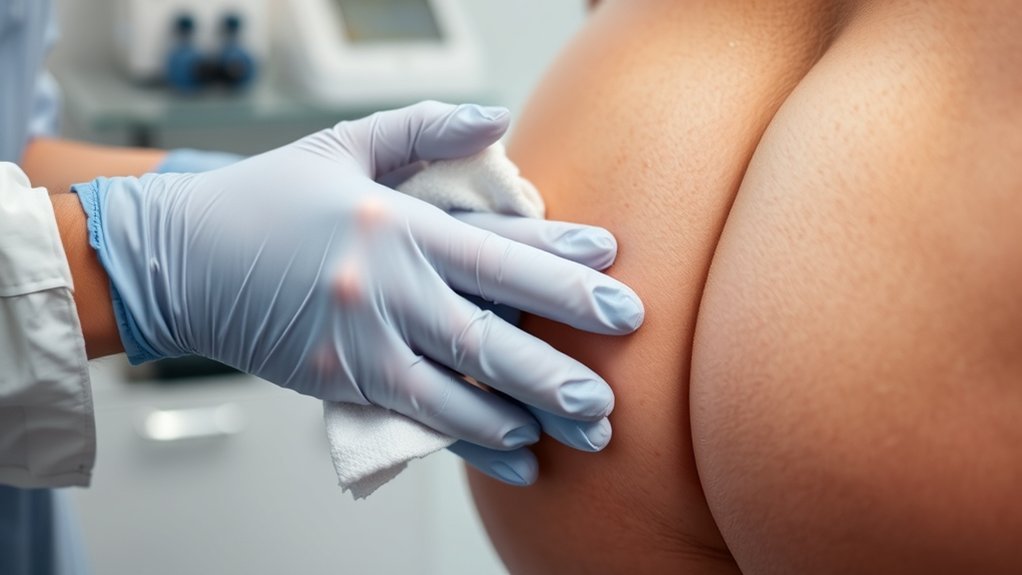
Perineal care is essential for hygiene and health, especially after childbirth. Knowing the do’s and don’ts helps prevent irritation and infections. Using the right techniques and products, and knowing when to call your doctor, can make a real difference in your recovery.
Quick Answer
- Always clean the perineal area from front to back to stop bacteria from spreading.
- Use warm water and gentle, unscented wipes or cloths, switching to a fresh one for each stroke.
- Dry the area thoroughly after cleansing to avoid moisture buildup.
- Seek medical help if you notice heavy bleeding, fever, increased pain, or foul-smelling discharge.
Importance of Perineal Care
Perineal care is essential for maintaining hygiene and preventing infections. The perineal area is especially vulnerable to bacteria from urine and fecal matter, which can lead to urinary tract infections (UTIs) and skin irritations.
For postpartum individuals, proper perineal care is critical for healing lacerations, abrasions, or episiotomies. Neglecting the area can lead to infection and a longer recovery. Studies suggest that frequent perineal care, ideally every 1 to 4 hours, can significantly improve comfort and reduce complications.
Key Do’s for Effective Perineal Care
Effective perineal care starts with proper hygiene and gentle cleansing techniques.
Always clean from front to back, and dry the area thoroughly afterward.
Monitoring for signs of irritation or infection helps you address concerns before they worsen.
Maintain Proper Hygiene
Proper hygiene in the perineal area is especially important for people experiencing incontinence or postpartum changes.
Perform perineal care daily, and increase the frequency if there’s diarrhea or bleeding to lower infection risk. Always clean from front to back, particularly for female patients, to prevent bacteria from spreading.
Use warm water and a clean washcloth or disposable wipes, switching cloths between different areas to stay clean.
After cleaning, dry the area thoroughly to prevent moisture buildup that can lead to infections or skin irritation.
Check regularly for signs of irritation, infection, or unusual changes, and report any concerns to your healthcare provider right away.
Use Gentle Cleansing Techniques
Using gentle cleansing techniques helps keep the perineal area comfortable and free from irritation. Follow these practices daily:
- Clean from front to back: This prevents bacteria from spreading from the rectum to the urethra, reducing the risk of urinary tract infections (UTIs).
- Use warm water and a gentle cleanser: Choose a gentle, unscented wipe or washcloth to minimize skin irritation.
- Apply light pressure: Clean sensitive areas carefully, using a fresh cloth or a new section of a washcloth for each motion to prevent cross-contamination.
Monitor for Irritation
Caring for the perineal area goes beyond gentle cleansing. It also means watching closely for signs of irritation. Regularly inspect the area for redness, swelling, or lesions. Catching these signs early can help prevent infection. Use gentle, non-irritating products and dry the area thoroughly after cleansing to avoid moisture buildup.
| Signs of Irritation | Recommended Actions |
|---|---|
| Redness | Adjust cleansing technique |
| Swelling | Consult healthcare provider |
| Lesions | Switch to gentler products |
Encourage open communication about any discomfort or irritation so care can be adjusted quickly. Maintaining skin integrity is essential for effective perineal care.
Common Don’ts to Avoid During Perineal Care
Avoiding a few key mistakes can protect hygiene and comfort during perineal care.
Effective perineal care hinges on avoiding common mistakes that jeopardize hygiene and patient comfort.
Here are three don’ts to keep in mind:
- Don’t use soap and water in a basin. This practice can lead to contamination, increasing the risk of infection, especially when dealing with sensitive private areas or a urinary catheter.
- Don’t rush the cleaning process. Take your time to thoroughly cleanse the area, focusing on hygiene and comfort, particularly if there’s vaginal bleeding.
- Don’t neglect glove changes. Always change gloves after cleaning the rectum before attending to the urinary catheter to prevent bacteria from spreading.
Techniques for Proper Perineal Hygiene
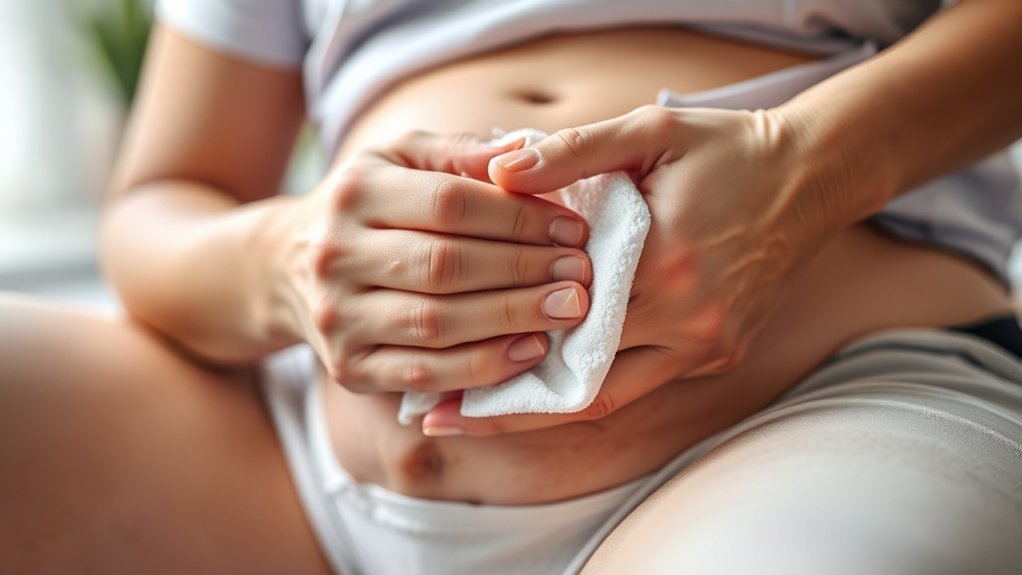
Proper perineal hygiene requires following the right cleaning order and technique to reduce infection risks.
Always clean from front to back, using a fresh washcloth or disposable wipe for each motion.
Prioritizing comfort and dignity helps the patient feel respected and involved in their care.
Cleaning Order and Technique
Proper perineal hygiene prevents infections and promotes comfort. Follow this cleaning order:
- For female patients: Start at the inner thighs, gently separate the labia, and wipe from front to back toward the anus, using a new wipe for each stroke.
- For male patients: Clean the shaft of the penis from the tip to the base. If uncircumcised, retract the foreskin before cleaning.
- After genital cleaning: Turn the patient on their side to clean the anal area with a fresh cloth, checking for signs of irritation or infection.
Always change gloves between cleaning the rectum and genital areas to reduce the risk of cross-contamination.
Infection Prevention Strategies
Proper perineal hygiene is especially important for preventing infections in vulnerable populations.
Always clean the perineal area from front to back. This prevents harmful bacteria from traveling from the rectum to the urethra, lowering the risk of urinary tract infections.
Use warm water with disposable wipes or prepackaged cleansing cloths designed for perineal care to minimize contamination.
Caregivers should change gloves after cleaning the rectal area before touching any other body part or urinary catheter to prevent cross-contamination.
Regularly inspect the area for signs of infection like redness or unusual discharge. Establishing a consistent routine for peri-care is especially helpful for people with incontinence.
Products Recommended for Perineal Care
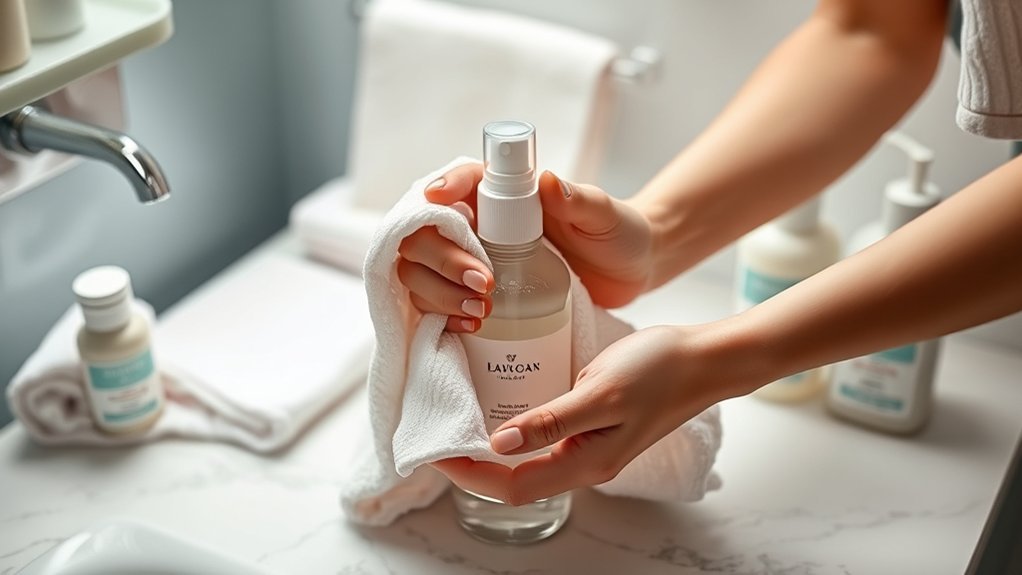
Using the right products during the postpartum period can greatly improve comfort and support healing. Here are three recommended items:
- Pre-moistened cleansing wipes: These reduce the risk of contamination and infection compared to traditional soap and water methods, making peri care safer and more convenient.
- Witch hazel pads: Tucks pads infused with witch hazel can help treat swelling and discomfort from hemorrhoids and perineal healing.
- Specialized postpartum underwear: High-waisted, soft fabric options like those from Bodily provide comfort and support while protecting your bed linens during recovery.
These products can support healing and improve your overall well-being. Maternal health fact sheets from MotherToBaby offer additional guidance on postpartum care and recovery strategies.
Comfort Measures During Recovery
Managing perineal pain in the first days after childbirth is just as important as keeping the area clean. A few simple measures can help.
Sitz baths are one of the most recommended tools for postpartum perineal relief. Soaking the area in a few inches of warm water for 10 to 20 minutes, two to three times a day, can ease soreness and swelling. Many hospitals provide a small basin that fits over the toilet.
Cold packs during the first 24 hours after delivery can help reduce swelling and numb initial pain. Wrap any ice pack in a cloth before applying to avoid direct contact with the skin.
Positioning also matters. Sitting on a soft cushion or donut-shaped pillow takes pressure off the perineal area, which can make recovery more comfortable, especially if you had stitches. Talk with your care team about which combination of measures is right for your situation.
When to Seek Professional Help
Knowing when to get professional help can prevent serious complications. Here’s a quick reference:
| Symptoms | When to Seek Help |
|---|---|
| Heavy vaginal bleeding | Soaking a pad in an hour or less for 2 hours |
| Signs of infection | Fever, increased pain, swelling, or foul discharge |
| Fast/irregular heartbeat | Accompanied by dizziness or extreme fatigue |
| Worsening perineal discomfort | Persistent despite following care recommendations |
These symptoms can lead to serious health issues if left untreated. Appropriate care reduces your risks and supports a smoother recovery. If you have any concerns, contact your clinician. You can also review ACOG’s postpartum care guidelines for a thorough overview of what to expect and when to act.
Frequently Asked Questions
Should Perineum Be Washed Every Day?
Yes, washing the perineum daily helps maintain hygiene and prevent infections. Use warm water and gentle cleansing methods to avoid irritation, especially after bowel movements or if you have incontinence.
How to Do Proper Perineal Care?
Imagine tending a delicate garden. Start by washing your hands and putting on gloves. Clean gently from front to back, dry thoroughly, and check for any signs of distress to support health and comfort.
What Should I Avoid After a Perineal Tear?
Avoid tampons, strenuous activities, bubble baths, and scented soaps. Don’t sit on hard surfaces for long periods, and delay sexual intercourse until your clinician clears you to support ideal healing and avoid complications.
What Must Be on the Bed When Performing Perineal Care?
Place a waterproof bed pad under the client, have clean washcloths or wipes ready, and keep paper towels nearby for cleanup. This keeps the area hygienic and the client comfortable.
Conclusion
Maintaining proper perineal care protects your health and comfort. Following the do’s and avoiding the don’ts greatly reduces your risk of infection and supports healing. If you notice unusual symptoms or persistent discomfort, seek professional help promptly. Your wellbeing matters, and catching problems early can make all the difference. Stay consistent with your perineal hygiene.
