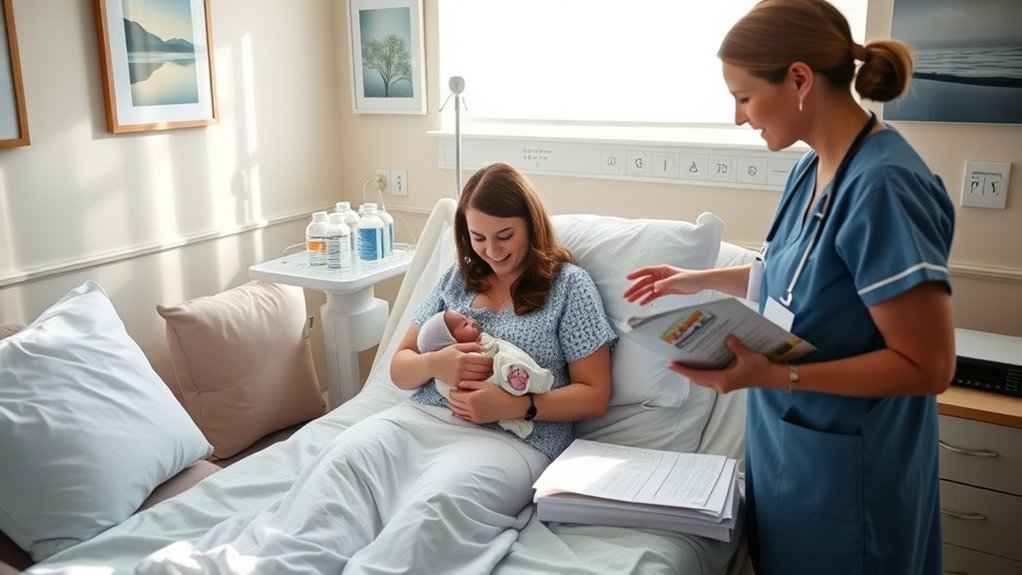
Many new mothers underestimate the impact of effective pain management after a C-section. While some believe that all post-surgery pain is excruciating, the reality is much more nuanced. Your experience with pain can vary based on several factors, including your personal tolerance and anxiety levels. Understanding the myths surrounding recovery can help you navigate this critical time. So, what should you really know about managing pain after a C-section?
Understanding C-Section Pain: What to Expect
Understanding what to expect after a C-section can help ease your anxiety about recovery.
Right after the procedure, you might feel discomfort and pressure around the incision site, which is completely normal. Your body’s healing process can lead to sensations that vary from mild soreness to sharp pains. You’ll likely experience swelling and bruising, but remember, this is part of the healing journey.
Post-C-section, it’s normal to feel discomfort and pressure around the incision, along with swelling and bruising as part of healing.
Post-operative pain management is often addressed with medications prescribed by your healthcare team. They’ll guide you on how to manage your pain effectively, ensuring you can care for your newborn comfortably.
Listening to your body and communicating openly with your doctor about your pain levels can greatly enhance your recovery experience, allowing you to focus on bonding with your baby.
Myth 1: Pain After a C-Section Is Always Severe
It’s a common misconception that pain after a C-section is always severe, but that’s not the case for everyone.
Your individual pain tolerance plays a significant role in how you experience discomfort, and there are effective pain management techniques available to help you cope.
Understanding this can empower you to approach your recovery with confidence and support.
Individual Pain Tolerance Varies
Pain perception is inherently subjective, and it varies considerably from person to person. After a C-section, your experience of pain can depend on numerous factors, including your individual pain threshold, emotional state, and even your previous experiences with surgery or injury.
Some women report mild discomfort, while others may feel significant pain. It’s important to remember that this variability doesn’t reflect your strength or resilience.
Research shows that psychological factors, like anxiety and stress, can amplify pain perception. So, it’s essential to communicate openly with your healthcare team about your pain levels and any concerns you have.
Understanding that your experience is unique can help you navigate recovery more effectively and encourage you to seek the support you need.
Pain Management Techniques Available
While many people assume that pain after a C-section is always severe, this isn’t the case for everyone.
You have various pain management techniques at your disposal to help ease discomfort and support your recovery. Here are some options:
- Medication: Doctors often prescribe pain relievers, including NSAIDs and opioids, tailored to your needs.
- Ice Packs: Applying ice can reduce swelling and numb the area for temporary relief.
- Supportive Pillows: Using pillows for positioning can alleviate pressure on your incision site.
- Gentle Movement: Walking a bit each day can promote healing and reduce stiffness.
- Breathing Exercises: Deep breathing can distract from pain and enhance relaxation.
These methods can help you feel more comfortable and empowered during your recovery journey.
Myth 2: You Should Avoid Pain Medication
Many new mothers believe that they should avoid pain medication after a C-section, fearing it may interfere with their recovery or affect breastfeeding.
However, managing your pain effectively is vital for a smoother recovery. Studies show that appropriate pain relief can enhance your mobility, allowing you to care for your newborn more easily. Not taking medication can lead to increased stress and discomfort, which may hinder your healing process.
Consulting your healthcare provider about pain management options is essential. They can prescribe medications that are safe for breastfeeding and won’t compromise your recovery.
Myth 3: Recovery Is the Same for Everyone
Recovery after a C-section varies considerably from one person to another. It’s essential to recognize that each woman’s experience is unique, influenced by several factors.
Here are some aspects that may affect your recovery:
- Your overall health before surgery
- The presence of any complications during the procedure
- How well you manage pain and follow post-operative care
- Support from family and friends during recovery
- Personal pain tolerance and coping mechanisms
Understanding these differences can help you set realistic expectations.
Don’t compare your journey to others; focus on your own healing process. Listen to your body, and don’t hesitate to reach out to healthcare providers for guidance tailored specifically to your needs.
Your recovery is your own.
Myth 4: You Can’t Move Around After Surgery
After a C-section, you might hear that you can’t move around, but that’s simply not true. In fact, gentle movement can help speed up your recovery. While you should avoid strenuous activities, getting up and walking can improve circulation, reduce the risk of blood clots, and even alleviate pain.
| Activity | When to Start | Benefits |
|---|---|---|
| Gentle walking | Within 24 hours | Improves circulation |
| Sitting up | As soon as you’re able | Reduces pressure on incision |
| Light stretching | 2-3 days post-surgery | Increases flexibility |
| Daily activities | As you feel comfortable | Enhances overall well-being |
Listen to your body, and don’t hesitate to ask your healthcare provider for personalized advice. Moving around is essential for your recovery.
Fact: Support Systems Play a Key Role in Recovery
A strong support system can greatly enhance your healing process following a C-section. Surrounding yourself with caring individuals helps alleviate stress and fosters a positive environment for recovery.
Consider the following aspects of support that can make a difference:
- Emotional encouragement: Friends and family can provide reassurance during challenging moments.
- Physical assistance: Having someone to help with lifting and household tasks is essential.
- Nutritional support: A loved one can prepare healthy meals, aiding your recovery.
- Childcare help: Assistance with newborn care allows you to focus on healing.
- Social interaction: Connecting with others can lift your spirits and combat feelings of isolation.
Embracing this support not only improves your recovery but also strengthens your bonds with those around you.
Frequently Asked Questions
How Long Does C-Section Pain Typically Last?
C-section pain usually lasts around six to eight weeks, but you might notice improvement within the first few days. It’s important to monitor your recovery and communicate with your healthcare provider about any concerns.
What Alternative Pain Relief Methods Can I Use?
You can explore alternative pain relief methods like acupuncture, aromatherapy, and mindfulness techniques. These options might not be magic, but many find them effective. Always discuss with your healthcare provider to guarantee safety and efficacy.
Can I Breastfeed While Taking Pain Medication?
Yes, you can breastfeed while taking pain medication. Most medications are safe in moderation. Always consult your healthcare provider to guarantee the specific medication you’re using won’t affect your baby’s health or breastfeeding.
What Signs Indicate Complications After a C-Section?
About 10% of women experience complications post-C-section. Look for signs like excessive bleeding, severe pain, fever, or unusual swelling around the incision. If you notice these, reach out to your healthcare provider immediately for guidance.
How Can I Support My Emotional Recovery Post-Surgery?
You can support your emotional recovery by seeking help from loved ones, sharing your feelings, practicing self-care, and connecting with support groups. Prioritize rest, and don’t hesitate to reach out for professional help if needed.
Conclusion
In summary, steering through pain after a C-section doesn’t have to feel like scaling a mountain without gear. By busting myths and embracing effective pain management strategies, you can transform your recovery journey into a more manageable path. Remember, it’s perfectly okay to lean on pain medication when needed, move gently, and rely on your support system. With the right approach, you’ll find yourself not just surviving, but thriving as you bond with your newborn and reclaim your strength.
