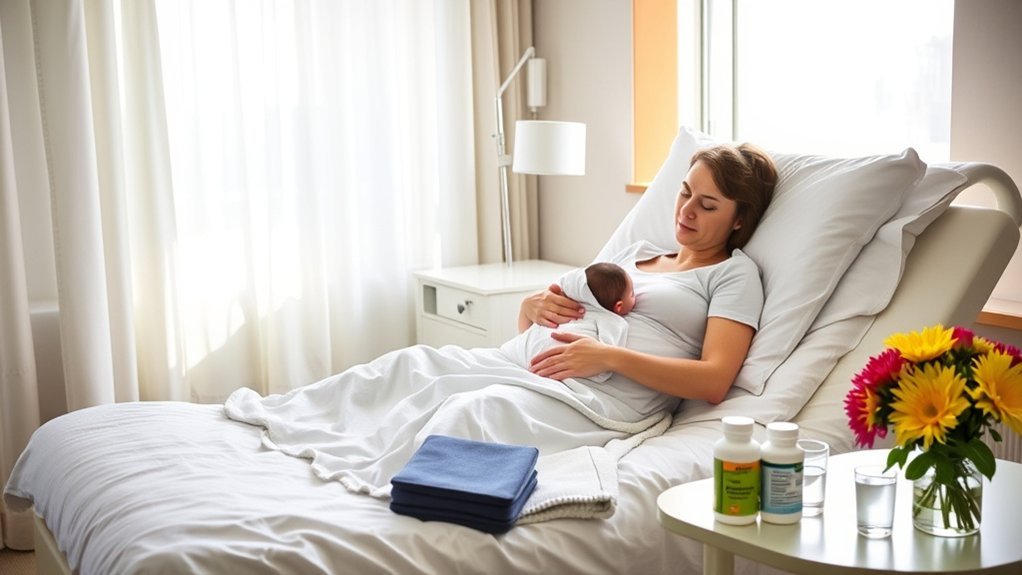
Many believe that recovery from a C-section is simply about time, but effective pain management plays a vital role in your healing process. Understanding what to do and what to avoid can greatly impact your comfort and recovery. By following specific guidelines, you’ll be better equipped to navigate this challenging period. So, what are the essential do’s and don’ts you need to know to guarantee a smoother recovery?
Understanding Pain After a C-Section
Understanding pain after a C-section is essential for your recovery, as it can greatly influence your overall experience during the postpartum period.
Recognizing and understanding post-C-section pain is crucial for a smoother recovery and a better postpartum experience.
You’ll typically experience discomfort around the incision site, which may feel sharp, achy, or tender. This pain can vary in intensity and is often exacerbated by movements like coughing or laughing.
It’s important to recognize that some swelling and bruising are normal, and your body is healing from major surgery. Additionally, emotional factors can play a role in your perception of pain, so be kind to yourself during this time.
Acknowledging your pain and its impact on your daily activities can help you communicate effectively with your healthcare provider, ensuring you receive the support you need throughout your recovery.
Do’s: Effective Pain Management Strategies
After a C-section, managing your pain effectively is essential for your recovery.
You can use medication guidelines, apply ice to the surgical area, and incorporate gentle movement techniques to help ease discomfort.
Let’s explore these strategies to support your healing journey.
Medication Usage Guidelines
While managing pain after a C-section can feel overwhelming, following specific medication usage guidelines can greatly enhance your recovery experience.
Here are some key strategies to take into account:
- Take Medications as Prescribed: Always stick to the prescribed dosage and schedule. This guarantees consistent pain relief and prevents complications.
- Communicate with Your Healthcare Provider: If you’re experiencing inadequate pain control or side effects, don’t hesitate to reach out. Adjustments may be necessary.
- Combine Medications Wisely: Often, using a combination of medications, such as acetaminophen and ibuprofen, can provide better pain relief than using a single medication alone.
Ice Application Benefits
Applying ice to your incision site can greatly enhance your pain management strategy following a C-section. Ice reduces inflammation and numbs the area, providing immediate relief from discomfort.
You can wrap ice packs or frozen peas in a clean cloth and apply them to your incision for 15-20 minutes every couple of hours during the first few days. This method not only helps with pain but can also minimize swelling, promoting a smoother recovery.
Just be careful not to apply ice directly to your skin, as this can cause frostbite. Listen to your body; if the cold becomes uncomfortable, take a break.
Integrating ice into your recovery routine can considerably improve your overall comfort during this healing period.
Gentle Movement Techniques
Gentle movement techniques can play an essential role in managing pain after your C-section, as they promote blood circulation and aid in the healing process.
Incorporating these movements can help you feel more comfortable and regain your strength. Here are three effective techniques to contemplate:
- Walking: Start with short, slow walks around your home to enhance circulation and reduce stiffness.
- Deep Breathing: Practice deep breathing exercises to relax your body and alleviate tension in your abdomen.
- Gentle Stretching: Engage in light stretching to improve flexibility and ease discomfort, but avoid any movements that cause sharp pain.
Always listen to your body and consult your healthcare provider before starting any new movement routine.
Don’ts: Common Mistakes to Avoid
When recovering from a C-section, it’s vital to avoid certain common mistakes that can hinder your healing process.
First, don’t rush back into heavy activities or exercise. Your body needs time to heal, and overexertion can lead to complications.
Second, avoid lifting anything heavier than your baby for the first few weeks; this includes car seats and groceries.
Third, don’t ignore your pain; it’s important to communicate with your healthcare provider about any discomfort you’re experiencing.
Finally, steer clear of skipping meals or neglecting hydration; proper nutrition and hydration support healing.
By avoiding these pitfalls, you’ll promote a smoother recovery and be better equipped to care for your newborn.
Prioritize your well-being during this critical time.
Medication Options for Pain Relief
After avoiding common recovery mistakes, it’s important to evaluate your pain management options.
Evaluating your pain management options is crucial after avoiding common recovery mistakes.
You’ll find several medication choices available to help you manage pain effectively after your C-section. Here are three options to contemplate:
- Acetaminophen: Often recommended for mild to moderate pain, it’s safe and can be taken regularly.
- NSAIDs (e.g., ibuprofen): These can reduce inflammation and provide pain relief, making them a good complement to acetaminophen.
- Opioids: In cases of severe pain, your doctor may prescribe opioids. Use them cautiously and only as directed, due to potential side effects.
Always consult with your healthcare provider to determine the best pain relief strategy tailored to your recovery needs.
Practical Self-Care Techniques
While managing pain is essential, practical self-care techniques can greatly enhance your recovery after a C-section. Start by prioritizing rest; your body needs time to heal.
Use pillows to support your abdomen while sleeping or sitting, helping to ease discomfort. Gentle walking aids circulation and can alleviate stiffness, so try to move around as much as you can without overexerting yourself.
Staying hydrated and maintaining a balanced diet will also support your recovery. Consider using heat packs on your abdomen to soothe aching muscles.
Finally, enlist help from family and friends for daily tasks, allowing you to focus on healing. Remember, self-care isn’t just about physical comfort; it’s essential for your emotional well-being during this pivotal time.
When to Seek Medical Attention
After a C-section, it’s important to monitor your pain levels closely.
If you experience severe pain, notice any signs of infection, or have uncontrolled bleeding, don’t hesitate to seek medical attention.
Your well-being is essential, and addressing these issues promptly can help guarantee a smoother recovery.
Severe Pain Levels
Recognizing when pain after a C-section escalates to a level that requires medical attention is vital for your recovery.
While some discomfort is normal, certain pain levels can signal complications. Here are three signs to watch for:
- Intense, unmanageable pain – If your pain isn’t relieved by prescribed medication or worsens over time, it’s time to consult your doctor.
- Pain that radiates – If you experience pain that spreads to your shoulders, neck, or back, it could indicate a more serious issue.
- Pain accompanied by other symptoms – If you notice nausea, vomiting, or significant swelling around the incision site, seek medical help immediately.
Trusting your instincts and communicating your concerns is essential for your well-being during this recovery phase.
Signs of Infection
It’s crucial to be aware of the signs of infection following a C-section, as early detection can greatly impact your recovery.
Watch for increased redness or swelling around your incision site, especially if it’s accompanied by warmth or discharge. A fever of 100.4°F (38°C) or higher can also signal an infection.
You might notice persistent pain that doesn’t improve with medication or any unusual odor from the incision area. Additionally, if you experience increasing fatigue or feel unusually weak, don’t hesitate to reach out to your healthcare provider.
Trust your instincts—if something feels off, it’s better to seek medical attention sooner rather than later. Your health and well-being are paramount during this healing process.
Uncontrolled Bleeding Issues
While most postpartum bleeding is normal, uncontrolled bleeding after a C-section can be a sign of a serious issue that requires immediate attention.
You should seek medical help if you experience any of the following:
- Soaking through one or more pads in an hour – This indicates a significant amount of blood loss.
- Passing large clots – Clots larger than a golf ball can signal complications.
- Severe abdominal pain – Intense pain may suggest an underlying issue that needs to be addressed.
Don’t hesitate to reach out to your healthcare provider if you notice these symptoms.
Timely intervention can make a vital difference in your recovery process and overall well-being.
Your health is paramount, so trust your instincts.
Frequently Asked Questions
How Long Does Recovery From a C-Section Typically Take?
Recovery from a C-section typically takes about six to eight weeks. You’ll likely experience varying levels of discomfort during this time, but with proper care and support, you can gradually regain your strength and mobility.
Can I Still Breastfeed While Taking Pain Medication?
Sure, you can breastfeed while taking pain medication, but check with your doctor first. It’s not like you want to turn your baby into a tiny superhero overnight! Safety’s key, so always verify.
What Are Signs of Infection After a C-Section?
You should watch for increased redness, swelling, or discharge at the incision site, fever, chills, or persistent pain. If you notice any of these signs, contact your healthcare provider immediately for guidance and support.
Are There Any Natural Remedies for Post-C-Section Pain?
Imagine a gentle garden where soothing herbs bloom; you can explore natural remedies like chamomile tea and warm compresses. These can ease discomfort, but always consult your healthcare provider before trying anything new for effective relief.
How Can Partners Help With Pain Management During Recovery?
Your partner can help by providing emotional support, assisting with daily tasks, offering comfort measures like gentle massages, and ensuring you take medications on time. Their involvement makes a significant difference in your recovery journey.
Conclusion
In your journey to recovery after a C-section, remember that each gentle breath and movement brings you closer to healing. Embrace the do’s, like medication regimens and soothing ice, as your allies in pain management. Avoid the pitfalls of rushing and overexertion that could hinder your progress. By nurturing yourself with patience and care, you’ll not only mend your body but also create a serene environment for bonding with your little one. Trust the process; brighter days are ahead.
