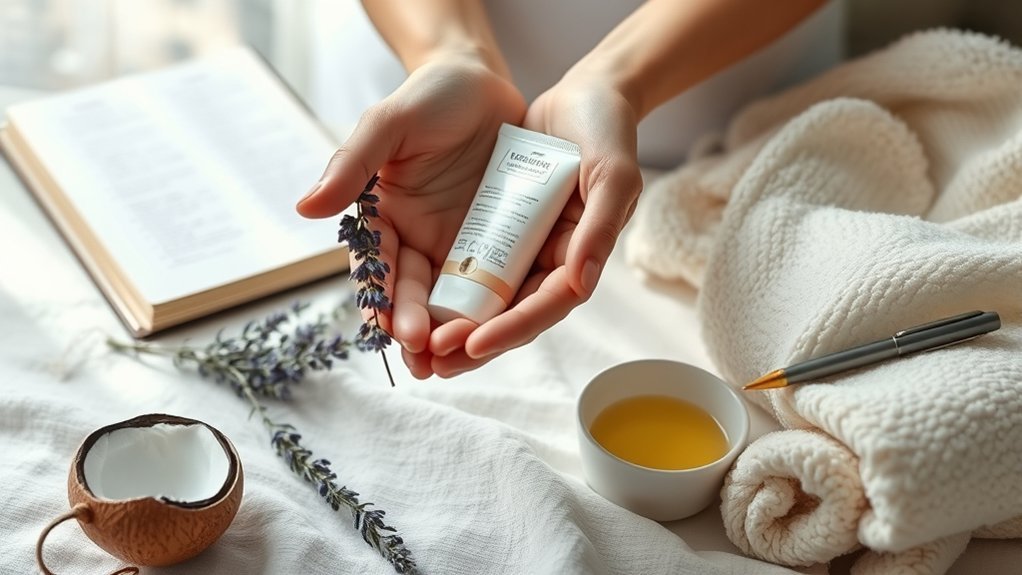
Nipple pain during pregnancy is a common experience that many expectant mothers face, often leading to discomfort and concern. Understanding the causes and exploring effective solutions can greatly ease this discomfort. From home remedies to proper support, there are various strategies you can implement. Let’s explore how you can find relief and maintain your comfort during this important time.
Understanding Nipple Pain During Pregnancy
Understanding nipple pain during pregnancy is crucial, especially since many expectant mothers experience discomfort as their bodies undergo considerable changes.
Your breasts may feel more sensitive, swollen, or tender due to hormonal fluctuations and increased blood flow. These changes prepare your body for breastfeeding, but they can also lead to discomfort.
It’s important to recognize that you’re not alone in this experience; many women face similar challenges. Managing nipple pain can make your pregnancy journey more comfortable, allowing you to focus on the joy of impending motherhood.
Being aware of your body’s signals and seeking support when needed can greatly enhance your overall well-being during this transformative time.
Common Causes of Nipple Discomfort
During pregnancy, you’re likely to experience nipple discomfort due to various factors.
Hormonal changes can heighten sensitivity, while skin sensitivity may increase as your body adjusts.
Additionally, challenges encountered during breastfeeding can contribute to your discomfort, making it essential to understand these common causes.
Hormonal Changes Impact
As your body undergoes significant hormonal changes throughout pregnancy, you may notice increased sensitivity or discomfort in your nipples.
These changes, primarily driven by rising levels of estrogen and progesterone, can lead to heightened nerve sensitivity, making your nipples more reactive to touch and temperature. This might feel uncomfortable, especially as your breasts prepare for breastfeeding.
You might also experience fluctuations in blood flow, which can contribute to the sensation of fullness or tenderness. Understanding these hormonal influences can help you navigate this challenging period.
Skin Sensitivity Increase
While your body adapts to pregnancy, an increase in skin sensitivity can lead to nipple discomfort for many women. This heightened sensitivity can stem from hormonal changes, increased blood flow, or even skin stretching. Understanding these causes can help you address the discomfort effectively.
| Cause | Symptoms | Relief Strategies |
|---|---|---|
| Hormonal Changes | Tenderness, itching | Warm compresses, soothing creams |
| Skin Stretching | Tightness, sensitivity | Gentle massage, hydration |
| Increased Blood Flow | Swelling, sensitivity | Cold packs, supportive bras |
| Friction | Pain, irritation | Soft fabrics, avoiding tight clothing |
Breastfeeding Challenges Encountered
Breastfeeding can be a beautiful bonding experience, but it often comes with its own set of challenges that may lead to nipple discomfort.
One common cause is improper latch; if your baby isn’t latching correctly, it can cause friction and pain. Engorgement is another issue; when your breasts become overly full, it can make it difficult for your baby to latch properly.
You might also experience cracked or sore nipples due to frequent feeding or dry skin. Thrush, a yeast infection, can exacerbate discomfort as well.
It’s essential to address these challenges early on. Consulting a lactation consultant can provide personalized guidance and help you find effective solutions to alleviate your nipple pain during this precious time.
Home Remedies for Nipple Pain Relief
Nipple pain during pregnancy is a common issue, but several home remedies can provide effective relief. You don’t have to suffer through this discomfort; simple solutions can make a significant difference.
Nipple pain during pregnancy is common, but effective home remedies can provide much-needed relief.
- Warm compress: Applying a warm cloth can soothe soreness and improve circulation.
- Coconut oil: This natural moisturizer can hydrate your skin and reduce irritation.
- Aloe vera gel: Known for its healing properties, it can provide cooling relief.
- Chamomile tea bags: Cool, used tea bags can help reduce inflammation and pain.
Try these remedies to ease your discomfort.
The Role of Proper Bra Support
Finding the right bra size is essential for your comfort during pregnancy, as it helps alleviate nipple pain.
The material of your bra also plays a significant role; soft, breathable fabrics can make a world of difference.
Choosing the Right Size
Proper bra support is essential during pregnancy, and choosing the right size can make a significant difference in your comfort levels.
A well-fitted bra can alleviate nipple pain and provide the support your changing body needs. Here are some key factors to take into account:
- Avoid discomfort: A properly sized bra minimizes chafing and soreness.
- Enhance confidence: Supportive bras help you feel better about your body as it changes.
- Promote blood circulation: The right fit guarantees proper circulation, reducing swelling.
- Facilitate breastfeeding: A well-fitting bra can make nursing easier when the time comes.
Material Matters for Comfort
Choosing the right size in a bra sets the foundation for comfort, but the materials used also play a vital role in how you feel throughout your pregnancy. Soft, breathable fabrics like cotton or bamboo can help reduce irritation and allow your skin to breathe, which is essential as your body changes.
Look for bras with moisture-wicking properties to keep you dry and comfortable. Avoid synthetic materials that might cause chafing or discomfort. Additionally, consider seamless designs that eliminate pressure points.
A well-constructed bra with adjustable straps can offer better support, adapting to your body as it evolves. Prioritizing these factors can greatly alleviate nipple pain and enhance your overall comfort during this transformative time.
Moisturizers and Soothing Creams
As your body undergoes significant changes during pregnancy, you might experience nipple discomfort that can be alleviated with the right moisturizers and soothing creams.
Choosing the right products can provide much-needed relief and comfort. Here are some options to evaluate:
Selecting suitable products is essential for achieving relief and comfort during pregnancy. Consider these effective options.
- Lanolin cream: Known for its deep moisturizing properties, it’s gentle and safe for both you and your baby.
- Shea butter: This natural option nourishes the skin and promotes healing.
- Coconut oil: With its antibacterial properties, it’s a soothing choice that can also hydrate.
- Aloe vera gel: Cooling and calming, it can reduce irritation and redness.
Applying these products regularly can help soothe your skin and ease discomfort, allowing you to focus on the joys of pregnancy.
When to Consult a Healthcare Professional
Wondering when it’s time to seek advice from a healthcare professional regarding nipple pain during pregnancy? If your nipple pain is severe, persistent, or worsening despite home remedies, it’s essential to consult your doctor.
You should also reach out if you notice any signs of infection, such as redness, swelling, or discharge, or if you experience unusual symptoms like fever or chills.
Additionally, if the pain interferes with your daily activities or breastfeeding, don’t hesitate to seek help.
Remember, you’re not alone in this experience, and your healthcare provider can offer guidance tailored to your specific situation.
Prioritizing your comfort and well-being is crucial as you navigate this beautiful yet challenging time in your life.
Pain Management Techniques
If you’re experiencing nipple pain during pregnancy, finding effective pain management techniques can make a significant difference in your comfort.
Here are some strategies you can try to alleviate discomfort:
- Warm compresses: Apply a warm compress to soothe pain and promote circulation.
- Gentle massage: Use your fingers to gently massage the area, which can help relieve tension.
- Proper breastfeeding positioning: Confirm your baby latches correctly to minimize strain on your nipples.
- Hydration and rest: Staying hydrated and getting enough rest can enhance your overall well-being, making pain more manageable.
Dietary Considerations for Breast Health
Maintaining a balanced diet is essential for supporting breast health during pregnancy, as the nutrients you consume directly impact your body’s ability to manage changes and discomfort.
Focus on incorporating a variety of fruits, vegetables, whole grains, and lean proteins into your meals. Foods rich in omega-3 fatty acids, like salmon and walnuts, can help reduce inflammation.
Calcium and vitamin D are also vital for maintaining breast tissue health; consider dairy products or fortified alternatives. Staying hydrated is important, too—drink plenty of water throughout the day.
Avoid excessive caffeine and sugar, as they can exacerbate discomfort. By making mindful dietary choices, you’ll not only support your breast health but also contribute to your overall well-being during this transformative time.
Emotional Well-being and Support Resources
During pregnancy, emotional well-being plays an essential role in managing discomfort, including nipple pain.
Feeling supported and understood can greatly ease your journey. Here are some resources to help nurture your emotional health:
- Join a support group: Connecting with other expectant mothers can provide comfort and shared experiences.
- Practice mindfulness: Techniques like meditation or yoga can help you stay grounded and reduce stress.
- Talk to a professional: A therapist or counselor can offer valuable strategies to cope with emotional challenges.
- Lean on loved ones: Share your feelings with family and friends who can offer encouragement and support.
Frequently Asked Questions
Can Nipple Pain Cause Complications During Pregnancy?
Nipple pain itself typically doesn’t cause complications during pregnancy, but it can lead to discomfort and stress. Managing this pain is essential to guarantee a more comfortable experience as you navigate this significant life change.
Are There Specific Foods That Help Reduce Nipple Pain?
While no specific foods directly reduce nipple pain, a balanced diet rich in omega-3 fatty acids, antioxidants, and hydration can support overall breast health. Consider incorporating fish, fruits, vegetables, and whole grains into your meals.
Is Nipple Pain Common in All Stages of Pregnancy?
Yes, nipple pain is common in all stages of pregnancy. Your body undergoes significant changes, leading to sensitivity and discomfort. It’s crucial to monitor your symptoms and consult your healthcare provider if pain persists.
How Can Partners Provide Support During Nipple Pain?
Your partner can support you by listening to your concerns, helping with comfortable positioning, offering gentle massages, or researching soothing remedies together. Their understanding and presence can greatly ease your discomfort during this challenging time.
Can Nipple Pain Affect Breastfeeding After Delivery?
Yes, nipple pain can affect breastfeeding after delivery. It may lead to difficulties with latching, causing frustration for both you and your baby. Addressing the pain promptly can help guarantee a smoother breastfeeding experience.
Conclusion
In your journey through pregnancy, prioritizing pain relief and comfort can transform your experience. By embracing soothing solutions like warm compresses and supportive bras, you’ll nurture your nipples and foster a sense of well-being. Remember, it’s essential to connect with supportive communities and practice self-care. As you navigate this beautiful chapter, keep in mind that your health and happiness are paramount—together, they’ll create a harmonious haven for both you and your baby.
