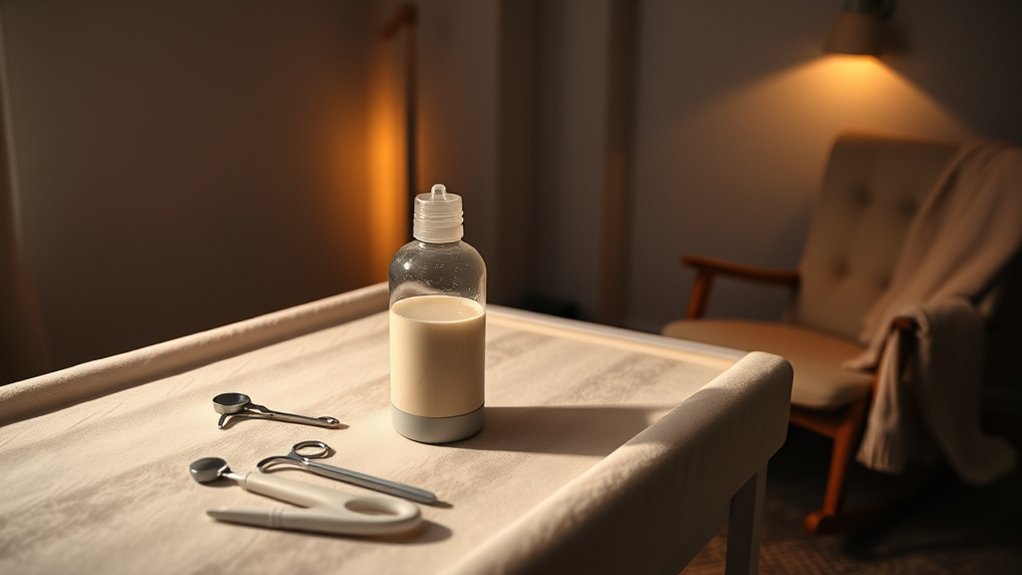
Surveys suggest most new parents feel overwhelmed during nighttime feeds. It’s a common struggle. Knowing the do’s and don’ts of formula feeding can make a real difference. With the right preparation, safe storage habits, and a soothing environment, those late-night sessions become much more manageable.
Quick Answer
- Always wash hands and use sterilized bottles before preparing formula.
- Store powdered formula in a cool, dry place and use it within one month of opening.
- Refrigerate prepared formula right away and use it within 24 hours.
- Keep the feeding area dim and quiet to help your baby settle back to sleep.
- Watch for signs of overfeeding like fussiness, spitting up, or a swollen belly.
- Call your pediatrician if your baby has persistent vomiting, poor weight gain, or extreme irritability.
Understanding Your Baby’s Nutritional Needs at Night
Nighttime nourishment supports your baby’s rapid growth and brain development. Infants need consistent feeding throughout the night, especially in the first few months, to stay energized and hydrated.
Pay attention to their hunger cues. They’ll signal when they’re ready to eat. A well-fed baby also tends to sleep better, which benefits you both.
Choosing the Right Formula for Night Feeds
The right formula depends on your baby’s specific needs, including age, allergies, and sensitivities. Here’s a quick reference to the most common types, per the American Academy of Pediatrics:
| Formula Type | Key Features |
|---|---|
| Cow’s Milk-Based | Most common, nutrient-rich |
| Soy-Based | Great for lactose intolerance |
| Hypoallergenic | Designed for allergies |
| Organic | Free from pesticides and chemicals |
| Specialty | Formulated for specific conditions |
Each type serves different dietary needs. When in doubt, ask your pediatrician for advice tailored to your baby.
Proper Preparation Techniques for Formula
Start by washing your hands thoroughly. Use clean, sterilized bottles and nipples every time.
Measure the formula powder carefully, following the instructions on the package. Too much or too little can upset your baby’s stomach. Mix with clean, warm (not hot) water, shaking or swirling gently until fully combined.
Before feeding, check the temperature by placing a few drops on your wrist. It should feel warm, not hot. Prepare only what your baby needs for each feeding to keep the formula fresh. For full guidance, see the CDC’s formula preparation guidelines.
Safe Storage Practices for Formula
Always check the expiration date before using any formula. Once opened, store powdered formula in a cool, dry place and use it within one month.
Always verify the expiration date and store powdered formula in a cool, dry place, using it within one month for safety.
Prepared formula should go in the fridge right away and be used within 24 hours. Never refreeze warmed formula or leave it out at room temperature for more than two hours.
When in doubt, throw it out. Your baby’s health comes first.
Creating a Calm Nighttime Feeding Environment
A calm feeding space helps both you and your baby. Dim lighting signals wind-down time, soft background sounds can soothe, and a comfortable position makes the whole experience easier.
Dim Lighting Effects
Soft, warm light reduces stimulation and encourages a peaceful connection during the feed. Bright lights can disrupt your baby’s natural sleep cycles, making it harder for them to settle afterward.
Use a nightlight or a low-wattage lamp. Skip the harsh overhead lights.
Soft Background Sounds
Gentle sounds like white noise or lullabies can soothe your baby and promote relaxation. Here are some options to consider:
| Sound Type | Benefits |
|---|---|
| White Noise | Masks disruptive noises, creating a cocoon of calm. |
| Nature Sounds | Mimics the womb environment, fostering security. |
| Soft Music | Encourages bonding and can aid in sleep induction. |
| Gentle Lullabies | Familiar tunes can soothe and signal it’s time to rest. |
Comfortable Feeding Position
A good feeding position reduces strain on your body and helps your baby feel secure. Keep these three tips in mind:
- Sit Up Supportively: Use a comfortable chair or a supportive pillow to maintain good posture, reducing strain on your back and neck.
- Cradle Your Baby: Hold your baby close, with their head elevated for easier swallowing and comfort.
- Minimize Distractions: Keep lights dim and noise low to help you both relax.
Burping During Night Feeds
Formula-fed babies tend to swallow more air than breastfed babies, so burping after (and sometimes during) a feed matters. A good burp helps prevent gas, fussiness, and spit-up, which can make it easier for your baby to settle back to sleep.
You don’t need to keep the lights up or start a whole routine. A gentle pat or rub on the back over your shoulder for a minute or two is usually enough. If your baby doesn’t burp after a couple of minutes, that’s okay. Not every feed produces one.
Try to burp your baby at the halfway point of the feed as well as at the end. This is especially helpful if they tend to spit up or seem uncomfortable after eating.
Establishing a Consistent Feeding Routine
Babies thrive on predictability. Try to feed every 2 to 4 hours, adjusting based on your baby’s hunger cues. A consistent schedule helps your baby feel secure and makes late-night sessions smoother for you both.
Keep the environment calm and dimly lit to reinforce that it’s still nighttime. Having all your supplies within reach also cuts down on disruptions.
Tips for Warming Formula Safely
Avoid microwaving formula. Microwaves create hot spots that can burn your baby’s mouth. A bottle warmer is a safer, more consistent option for those late-night feeds.
Microwave Method Caution
If you do use a microwave, take extra precautions:
- Transfer to a Container: Pour formula into a microwave-safe container to prevent chemical leaching from the bottle.
- Heat in Short Intervals: Warm in 10 to 15 second bursts, stirring between each, to avoid uneven heating.
- Test the Temperature: Shake or stir well after warming, then test on your wrist before feeding.
Bottle Warmer Benefits
Bottle warmers provide a gentle, even heat that helps preserve the formula’s nutrients. They’re quick, easy to use half-asleep, and many models work with different bottle types.
Monitoring Your Baby’s Reactions to Formula
Watch closely when introducing formula to night feeds. Three things to look for:
- Feeding Behavior: Does your baby feed eagerly or resist? Enthusiasm usually signals acceptance.
- Digestion: Track stool consistency and frequency. Changes can indicate how well your baby is adjusting.
- General Mood: A calm, content baby is a good sign. Persistent fussiness may need a closer look.
Recognizing Signs of Overfeeding or Discomfort
Watch for cues like excessive fussiness, spitting up, or arching after feeds. A swollen belly or lethargy can also signal too much formula.
Look for signs of discomfort like fussiness, spitting up, or a swollen belly; these may indicate overfeeding.
Other signs include turning away from the bottle, crying, or clenching fists. If your baby wants to feed again very soon after finishing, they may be seeking comfort rather than food.
Trust your instincts. Adjust the amount you offer and pace the feeds to keep your baby comfortable.
When to Consult a Pediatrician About Night Feeds
Some situations call for professional input. Reach out to your pediatrician if you notice:
- Persistent Vomiting: Frequent vomiting after feeds can point to an underlying issue.
- Extreme Fussiness: Inconsolable irritability may mean your baby isn’t tolerating the formula well.
- Poor Weight Gain: A pediatrician can assess whether feeding and nutrition are on track.
Trust yourself as a parent. Asking for guidance is always the right call when something feels off.
Frequently Asked Questions
Can I Mix Different Formulas for Night Feeds?
Mixing formulas isn’t recommended. It can upset your baby’s stomach and affect nutrient absorption. Stick to one formula and check with your pediatrician if you have concerns.
How Often Should I Change Formula Brands?
Try not to switch formula brands more than once every few weeks. This gives your baby time to adjust and lowers the chance of digestive issues.
Is It Okay to Feed My Baby While Lying Down?
Feeding your baby while lying down isn’t recommended. It raises the risk of choking and ear infections. Hold your baby in a semi-upright position for safer, more comfortable feeds.
Can I Use a Bottle Warmer for Nighttime Feeds?
Yes, a bottle warmer works well for nighttime feeds. It saves time and helps you avoid fumbling in the dark. Just make sure the formula reaches a safe, comfortable temperature before feeding.
What Age Can My Baby Skip Night Feeds?
Most babies can start skipping night feeds around six months, as they begin eating more solids and settle into a regular schedule. Check with your pediatrician to make sure your baby’s individual needs are met.
Conclusion
Nighttime feeds are one of the most intimate parts of early parenthood. Keep the environment calm, prepare formula safely, and stay tuned to your baby’s cues. These quiet moments can be genuinely nourishing for you both. When something feels off, don’t hesitate to call your pediatrician. With patience and a bit of routine, night feeds become far more manageable.
