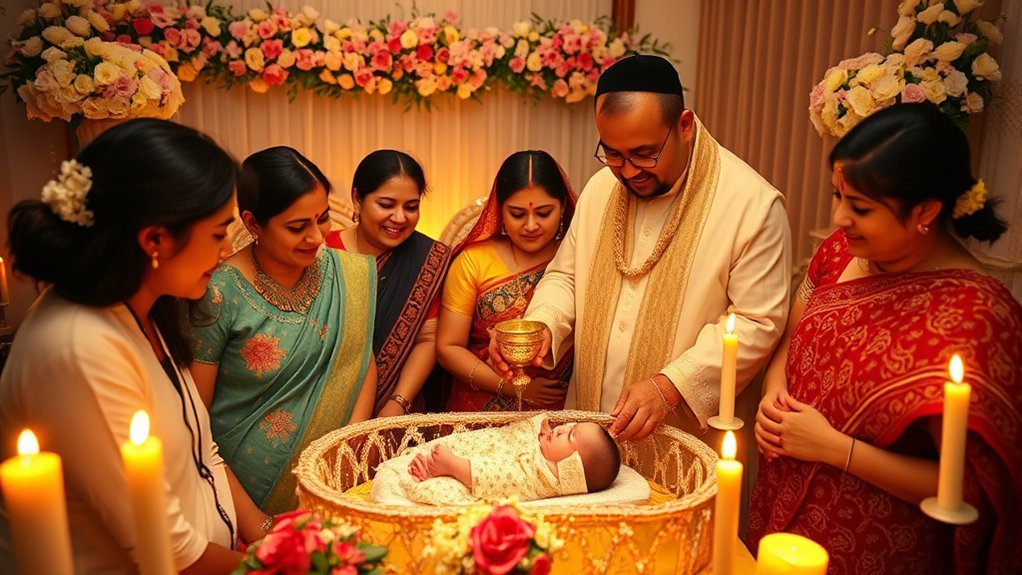
Naming ceremonies have deep roots in cultures around the world, and they still hold a meaningful place in modern family life. They mark a personal milestone and bring a community together to welcome a new child. Every choice you make, from the venue to the readings, can reflect what your family values most.
Quick Answer
- Choose a venue that fits your style, budget, and guest needs.
- Build a guest list, then decide whether you want guideparents involved.
- Select readings, a celebrant, and any rituals that feel personal and meaningful.
- Sort the practical details early: timeline, vendors, contingency plans.
- Capture the day with photos, a guest book, or a memory box.
Step 1: Choose Your Venue
The venue sets the tone for everything else. Think about what kind of atmosphere you want and what options fit your budget.
Your home, a garden, a historic building, or even a circular barn can all work beautifully. Unique locations tend to create a stronger sense of occasion than a generic event space.
Explore unique venue options like gardens or historical sites to create an unforgettable ambiance for your naming ceremony.
Make sure the space is accessible for all your guests, including anyone with mobility needs, so no one feels left out.
For outdoor venues, always have a backup plan. A rented tent or a nearby indoor space can save the day if the weather turns.
Finally, compare costs and amenities carefully so you get the best value without stretching your budget.
Step 2: Decide on a Guest List
Your guest list shapes the feel of the whole event. Start with the people who matter most: grandparents, aunts, uncles, and close friends who reflect your family’s values.
Decide early whether you want an intimate gathering or a larger celebration. That decision will guide almost everything else, including your venue choice and catering costs.
Include any designated godparents or mentors from the start, since their roles are central to the ceremony.
Keep your list balanced with your budget and venue capacity. Ask for RSVPs so you have an accurate headcount for food and seating.
Step 3: Choose Guideparents (Optional)
Guideparents, sometimes called godparents, can add real depth to a naming ceremony. This step is completely optional, but many families find it meaningful.
Selecting guideparents for your child’s naming ceremony enriches the experience, providing lasting support and meaningful connections.
In a non-religious context, guideparents focus on mentorship rather than spiritual duties. During the ceremony, they typically pledge to offer love, support, and guidance as the child grows.
Choosing the right people strengthens your family’s support network and gives the ceremony an extra layer of warmth and intention.
Step 4: Choose Meaningful Readings and Poems
The readings you choose can carry the emotional weight of the ceremony. They tell your guests what you hope for your child and what your family stands for.
Mixing joyful texts with more reflective ones creates a natural emotional arc, honoring both the happiness of a new life and the responsibilities that come with it.
Selecting Inspirational Texts
The right readings can shape the mood of the whole event and leave a lasting impression. Here are three ways to choose well:
- Reflect Your Values: Pick pieces that connect to your hopes for your child, including the meaning and significance of their name.
- Involve Loved Ones: Ask a family member or close friend to read a selected text. It adds a personal touch and deepens the connection between the words and the moment.
- Cultural Significance: Poems or texts rooted in your heritage can make the ceremony feel grounded and inclusive.
Personalizing Reading Choices
Readings that feel personal will always land better than generic ones. Consider a mix of classic poetry, contemporary writing, and culturally significant texts to create real variety.
Having family members or friends deliver the readings deepens the connection further. They bring their own relationship to the words.
Place a strong opening reading early to set the tone, then use additional selections to build emotional momentum. Song lyrics, quotes, and literature can all work, as long as they speak to love, hope, and community.
Step 5: Choose a Celebrant
The celebrant guides the ceremony from start to finish, so finding the right fit matters. Look for someone with direct experience running naming ceremonies, not just general events.
- Experience: A celebrant who specializes in naming ceremonies will know how to personalize the event around your family’s values and beliefs.
- Customization: Many celebrants offer packages that include help with scripting and incorporating specific rituals that matter to you.
- Compatibility: Meet a few candidates before deciding. Make sure their style and personality feel like a natural match for what you have in mind.
For non-religious ceremonies, the Humanists UK naming ceremonies guide is a useful starting point for finding a trained celebrant.
Step 6: Plan Special Rituals or Significant Elements
Rituals give guests something to witness together and make the ceremony feel distinct from any other. Choose ones that reflect your family’s values, not just what looks good on paper.
Symbolic Actions Choices
Symbolic actions create shared memories and give guests an active role in the celebration. A few options worth considering:
- Lighting a Candle: A simple act that can symbolize hope and guidance for the child’s future.
- Planting a Tree: Represents growth and nurturing, and gives guests something tangible to connect with over the years.
- Sand Ceremony: Guests or family members pour different colored sands together, visually representing the blending of family values and support.
Personal Touch Ideas
Small personal touches often make the biggest impression. A candle or tree planting connects the ceremony to your family’s commitment to the child’s growth.
A memory box where guests leave letters, drawings, or tokens becomes a keepsake your child can open years later.
If you have a family ritual tied to your culture or beliefs, find a natural place for it. You might also carve out a moment for siblings to make a simple vow, building in a sense of love and responsibility from the start.
Step 7: Get Inspired: Theme or Keep It Simple?
A theme can pull the event together and make the day feel cohesive. But a simple, unthemed ceremony can be just as moving. Neither choice is wrong.
- Themes: Nature, cultural heritage, or a color palette can all serve as a thread running through your decor, readings, and music.
- Personalisation: Whether themed or not, personal touches are what make the event feel specific to your family rather than generic.
- Meaningful Elements: Readings, music, and symbolic actions add depth regardless of whether you have a formal theme.
Go with what feels right for your family. Both approaches can give your child a warm and memorable introduction to their community.
Step 8: Don’t Forget the Practical Details
Practical planning might not be the exciting part, but it’s what keeps everything running smoothly on the day.
Start with a clear timeline covering setup, the ceremony itself, and any guest activities. Build a checklist that includes seating arrangements, sound equipment, and any ceremonial items you’ll need.
Create a detailed timeline and checklist to ensure a seamless naming ceremony experience for your guests.
If the event is outdoors, have a contingency plan ready. A backup indoor venue or a tent rental can prevent a weather problem from derailing the day.
Confirm all vendor arrangements well in advance. On the day, clear signage at the venue helps guests find seating, food stations, and restrooms without confusion.
Step 9: Capture the Memories
The ceremony will pass quickly. Putting some thought into how you document it means you’ll have something real to look back on.
- Hire a professional photographer or videographer to document the ceremony properly. Candid moments are especially easy to miss without someone dedicated to capturing them.
- Set up a themed photo booth with props for guests to use. It adds a playful element and captures the spirit of the day from a different angle.
- Ask guests to leave messages in a guest book or memory box. Your child will have something personal and irreplaceable to revisit when they’re older.
Frequently Asked Questions
How Do You Structure a Naming Ceremony?
A naming ceremony typically starts with an introduction, moves into readings, announces the child’s name, includes promises from parents and guideparents, and closes with a short address and a commemorative certificate presentation.
What Is the Order of Naming Ceremony?
The usual order is: welcome message, selected readings, formal naming announcement, parental pledges, and closing remarks. The ceremony ends with guests gathering for refreshments to celebrate together.
What Are the 5 Names in Naming Ceremony?
In a naming ceremony, you’ll typically encounter five names: the child’s given name, a middle name honoring family, the surname for lineage, a possible additional ceremonial name, and a cherished nickname that reflects the family’s affection.
How Do Christians Perform Naming Ceremonies?
In Christian traditions, the ceremony takes the form of a baptism. The child is named, blessed, and introduced to the congregation. Godparents make pledges of support, and readings emphasize the name’s connection to faith and community.
Conclusion
Planning a naming ceremony is about more than organizing an event. Each decision, from the venue to the celebrant to the readings, helps shape a moment your family will carry for years.
Take it one step at a time, involve the people who matter, and let the day reflect who you are as a family. When everything comes together, even the smallest details contribute to a celebration your child will one day hear stories about.
