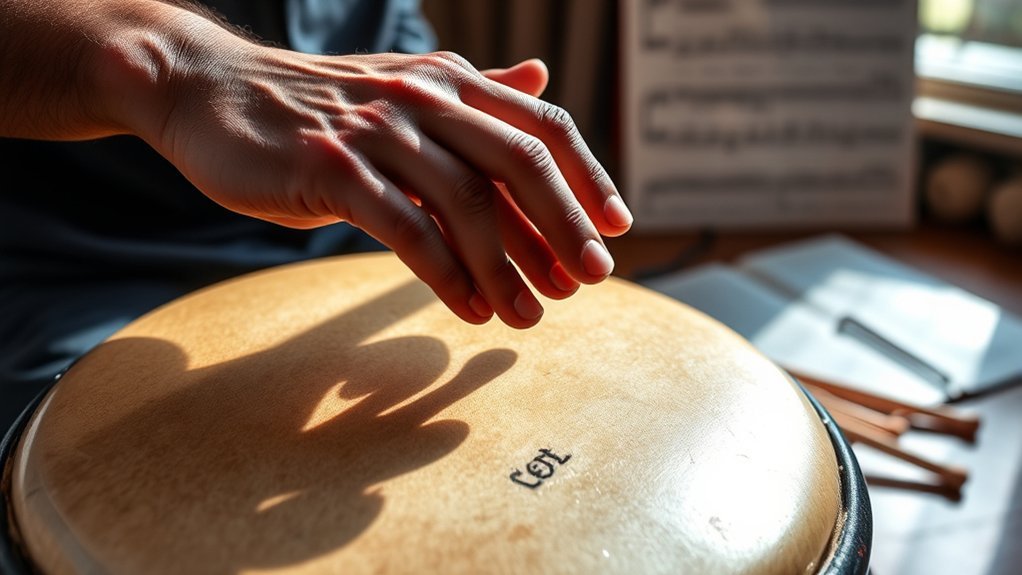
Understanding music and rhythm is essential for any musician. It forms the backbone of musical expression and creativity. By grasping basic rhythmic patterns and integrating them into your practice, you’ll start to see how rhythm influences your playing. You’ll also discover how different genres utilize rhythm to create unique styles. So, how can you effectively enhance your rhythmic skills and elevate your musical journey? Let’s explore this step-by-step guide together.
Understanding Music Theory Basics
Understanding the basics of music theory is essential for anyone looking to dive deeper into the world of music.
You’ll encounter key concepts like notes, scales, and chords, which form the foundation of musical composition. Start by familiarizing yourself with the musical staff, where notes are placed to create melodies.
Learning about major and minor scales helps you understand the emotional tone of a piece. Chords, built from scales, provide harmony and depth.
Major and minor scales reveal a piece’s emotional depth, while chords add harmony and richness to the music.
Don’t forget about intervals—the distance between two notes, which can shape your understanding of melody.
The Importance of Rhythm in Music
Rhythm serves as the heartbeat of music, driving its energy and movement. Without rhythm, melodies would drift aimlessly, lacking structure and engagement. You can feel rhythm in your bones, whether you’re tapping your feet or dancing. It connects you to the music, creating a shared experience.
Here’s a simple table that highlights the emotional impact of rhythm:
| Emotion | Effect on Music | Example |
|---|---|---|
| Joy | Uplifting | Dance tracks |
| Sadness | Reflective | Ballads |
| Excitement | Energizing | Fast-paced songs |
Understanding rhythm allows you to appreciate how it shapes genres and influences your listening experience. Immerse yourself in the rhythm, and let it guide you through your musical journey!
Exploring Different Musical Elements
Music is a rich tapestry woven from various elements that come together to create an enchanting experience.
As you immerse yourself in music, you’ll encounter key components like melody, harmony, rhythm, dynamics, and timbre.
Melody is the main tune you hum, while harmony adds depth and richness. Rhythm keeps the heartbeat of the music, guiding your movements and emotions.
Dynamics, the variations in loudness, enhance expressiveness, and timbre distinguishes different instruments and voices, giving each piece its unique flavor.
By understanding these elements, you’ll appreciate how they interact and contribute to the overall feel of a song.
Practical Exercises for Skill Development
While you explore the world of music, incorporating practical exercises into your routine can greatly enhance your skills. Here are a few exercises you can implement to boost your musical abilities:
| Exercise | Description | Duration |
|---|---|---|
| Scale Practice | Play major and minor scales | 10 minutes |
| Rhythm Clapping | Clap out different time signatures | 5 minutes |
| Interval Recognition | Identify intervals by ear | 10 minutes |
| Chord Progressions | Practice common chord changes | 15 minutes |
| Improvisation | Create melodies over a backing track | 10 minutes |
Tips for Enhancing Your Musical Journey
To truly enhance your musical journey, consider setting specific goals that align with your personal aspirations. Whether you want to master an instrument or explore songwriting, having clear objectives keeps you focused.
Next, establish a consistent practice routine. Regular practice not only builds your skills but also fosters discipline.
Establishing a consistent practice routine is essential for skill development and cultivating discipline in your musical journey.
Additionally, immerse yourself in diverse musical genres; this broadens your understanding and inspires creativity. Don’t shy away from collaboration—playing with others can spark new ideas and techniques.
Lastly, seek feedback from peers or mentors; constructive criticism can illuminate areas for improvement.
Frequently Asked Questions
How Can I Improve My Sense of Timing in Music?
To improve your timing in music, practice regularly with a metronome, play along with recordings, and focus on counting beats. Recording yourself can also help you identify timing issues and track your progress effectively.
What Instruments Are Best for Beginners to Learn Rhythm?
“Practice makes perfect.” For beginners, percussion instruments like drums or tambourines are excellent for learning rhythm. Simple melodic instruments, such as xylophones or keyboards, also help you grasp timing while providing a fun, engaging experience.
Can Rhythm Be Effectively Taught to Children?
Absolutely, you can effectively teach rhythm to children! Use engaging activities like clapping, drumming, or dancing. These methods make learning fun, helping them grasp rhythm naturally while developing their coordination and timing skills.
How Does Culture Influence Rhythm in Different Music Genres?
Culture shapes rhythm by reflecting traditions, values, and social interactions. You’ll notice how different genres, like Afrobeat or Bluegrass, incorporate unique patterns and beats, creating distinct musical identities that resonate within their communities.
Are There Apps to Help Practice Rhythm and Timing?
Apps like Rhythm Coach and Metronome Beats turn your practice into a rhythmic dance. They provide interactive exercises and feedback, helping you master timing while keeping your sessions engaging and fun. Get started today!
Conclusion
As you commence this rhythmic adventure, remember that every beat you explore adds a touch of magic to your musical expression. Embrace the journey of learning and let each clapping exercise, scale, and improvisation bring you closer to your creative self. By appreciating rhythm’s role in various genres, you’ll uncover new layers of inspiration. So, keep strumming, drumming, and dancing through your musical path—there’s a world of rhythm waiting for you to discover!
