
The mucus plug serves as an essential protective barrier during your pregnancy, but its formation and loss can be influenced by various factors. Hormonal changes, hydration levels, and even your anatomy can play significant roles. Many women, however, lack important information about the mucus plug’s significance, often due to limited access to healthcare or cultural misconceptions. Understanding these aspects is fundamental for recognizing the implications of losing the mucus plug and what it means for your pregnancy.
Understanding the Mucus Plug: What It Is and Its Role in Pregnancy

The mucus plug is a crucial protective barrier formed during pregnancy, serving to seal the cervix and safeguard the developing fetus.
This gelatinous substance is composed primarily of mucus, along with cells and antibodies that help defend against pathogens. As your pregnancy progresses, the plug thickens and becomes more resilient, creating a barrier to prevent infections from reaching the uterus.
It forms early in pregnancy and may remain until labor begins, although some women may lose it weeks beforehand. Losing the mucus plug can signal the onset of labor, but it doesn’t always mean immediate delivery.
Understanding its role helps you appreciate the body’s protective mechanisms during this critical time.
Factors Influencing Mucus Plug Formation
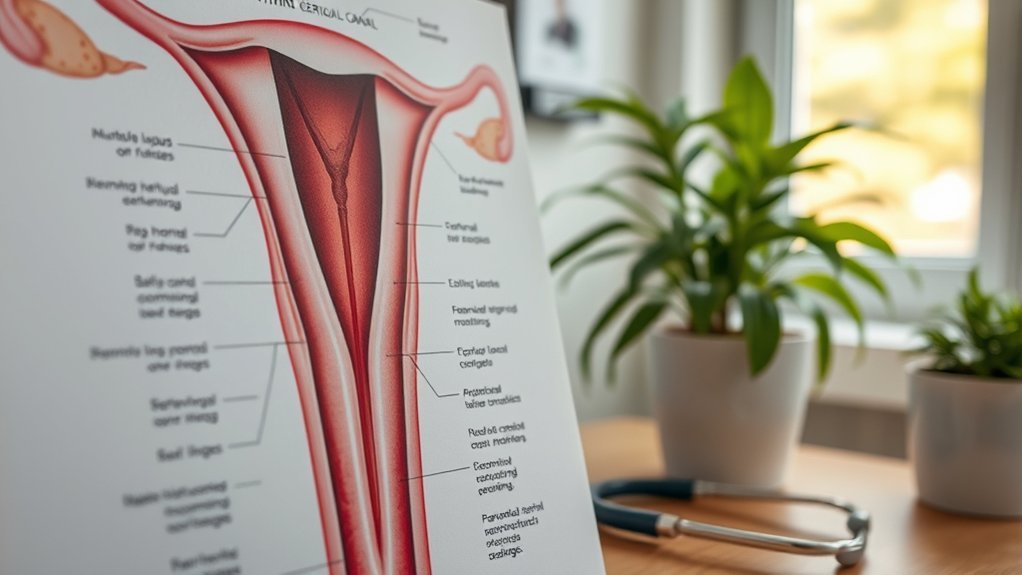
While several factors contribute to the formation of the mucus plug, hormonal changes during pregnancy play a pivotal role. Estrogen and progesterone levels rise considerably, stimulating the cervical glands to produce thick mucus. This mucus acts as a barrier, protecting the uterus from infections.
Additionally, your hydration levels can influence mucus consistency; adequate hydration promotes ideal mucus production. Other factors include individual anatomy and any pre-existing medical conditions that may affect cervical function.
Age and overall health can also play a part, as younger, healthier individuals may experience more effective mucus plug formation. Understanding these influences can help you recognize the physiological changes occurring during pregnancy and their implications for cervical health.
Signs of Mucus Plug Loss: What to Look For
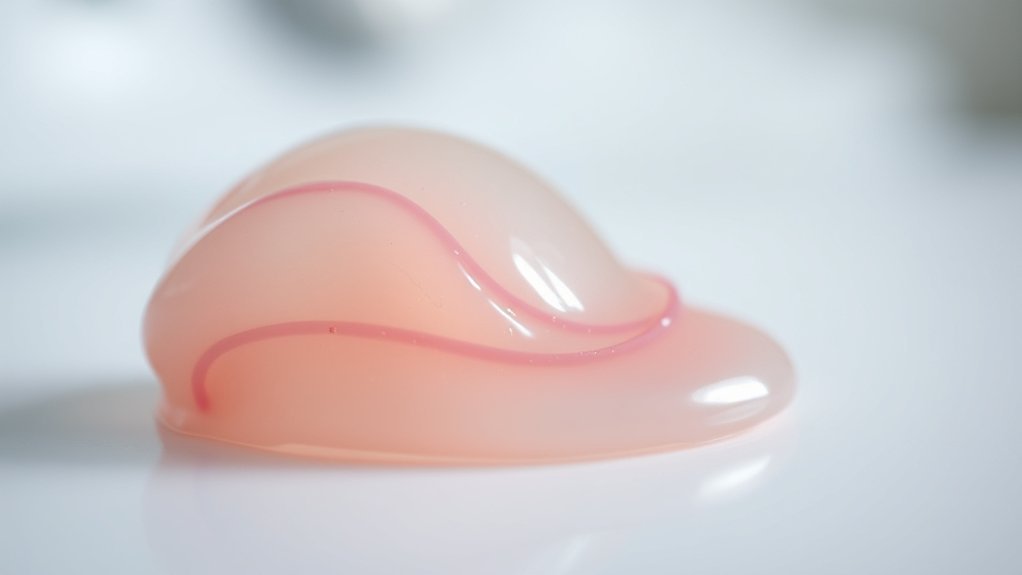
As you approach labor, it’s important to recognize signs of mucus plug loss.
You may experience physical discomfort sensations, notice changes in vaginal discharge, or observe specific timing and frequency indicators.
Being aware of these signs can help you prepare for the upcoming stages of labor.
Physical Discomfort Sensations
Recognizing physical discomfort sensations can be essential in identifying the loss of the mucus plug during pregnancy. You might experience various sensations that signal this change.
Pay attention to the following signs:
- Cramping: Mild to moderate cramps may indicate cervical changes.
- Pressure: An increased feeling of pressure in the pelvic area can occur as the cervix begins to dilate.
- Back Pain: Persistent lower back discomfort might signal upcoming labor.
- Fluid Leakage: You may notice a watery discharge, which could indicate the loss of the mucus plug.
Being aware of these physical sensations can help you understand your body’s changes as you approach labor.
Always consult your healthcare provider if you have concerns about any discomfort you experience.
Changes in Vaginal Discharge
Changes in vaginal discharge can be one of the most noticeable signs that you’ve lost your mucus plug during pregnancy. Typically, you may observe an increase in discharge that’s clear, pink, or slightly blood-tinged. This discharge can vary in texture, being thick and gelatinous or more watery.
| Discharge Type | Color | Texture |
|---|---|---|
| Normal | Clear | Thick/Gelatin |
| Early Loss | Pink | Watery |
| Significant Loss | Brown/Red | Thin |
Monitoring these changes is essential, as they can indicate the approach of labor. If you notice any unusual or foul-smelling discharge, consult your healthcare provider for further evaluation.
Timing and Frequency Indicators
When you’re approaching labor, understanding the timing and frequency of mucus plug loss can provide valuable insights into your body’s readiness for delivery.
The loss of the mucus plug typically occurs in the weeks leading up to labor, but it can vary considerably among individuals.
Here are some signs to watch for:
- A noticeable increase in vaginal discharge
- A change in consistency, becoming thicker or gel-like
- Discharge may appear clear, pink, or slightly bloody
- Occurrence may happen all at once or gradually over time
Recognizing these indicators can help you gauge your progress toward labor.
If you experience any unusual symptoms or have concerns, consult your healthcare provider for guidance.
Implications of Losing the Mucus Plug
Losing the mucus plug can signal the body’s preparation for labor, as it typically occurs in the weeks leading up to delivery. While this may indicate that your body is getting ready, it doesn’t necessarily mean labor will start immediately. You should remain vigilant for other signs of labor, as losing the plug can happen weeks before active labor begins.
| Implication | Description |
|---|---|
| Labor Preparation | Indicates that your body is preparing for labor. |
| Timing of Labor | May occur weeks before labor actually starts. |
| Need for Monitoring | Stay alert for other labor signs after losing it. |
Understanding these implications can help you prepare mentally and physically for the upcoming changes.
Common Misconceptions About the Mucus Plug
You might encounter various myths about the mucus plug, which can lead to confusion about its role during pregnancy.
Understanding the functions of the mucus plug is essential, as it serves as a protective barrier for the cervix.
Mucus Plug Myths
What misconceptions surround the mucus plug? Many people have a limited understanding of its role and characteristics. Here are some common myths:
- It’s a sign of labor: Many believe that losing the mucus plug indicates labor is imminent, but this isn’t always true.
- It’s a one-time event: Some think the mucus plug only comes out once, but it can re-form throughout pregnancy.
- It’s always clear: The mucus plug can vary in color and consistency, and it’s normal for it to appear pink or brown.
- It’s harmful: There’s a belief that losing the mucus plug poses a risk, but in most cases, it’s a natural part of pregnancy that doesn’t indicate an issue.
Understanding these myths can help clarify the role of the mucus plug in pregnancy.
Functions of Mucus Plug
After addressing the myths surrounding the mucus plug, it’s important to understand its actual functions during pregnancy. The mucus plug serves as a protective barrier, sealing the cervix and preventing harmful bacteria from entering the uterus. It also helps maintain a moist environment, which is essential for fetal development.
Here’s a quick overview of the mucus plug’s functions:
| Function | Description |
|---|---|
| Protective barrier | Shields the uterus from infections |
| Cervical seal | Keeps the cervix closed until labor begins |
| Moisture retention | Maintains a suitable environment for the fetus |
| Sign of labor onset | Indicates that the body is preparing for childbirth |
Understanding these functions can help you appreciate the mucus plug’s role in a healthy pregnancy.
Regional Variations in Mucus Plug Awareness and Education in the US
While awareness of the mucus plug and its importance can vary greatly across different regions of the United States, understanding these disparities is essential for improving maternal education and health outcomes.
Factors influencing regional variations include:
Factors such as healthcare access, cultural beliefs, and provider training significantly impact regional awareness of pregnancy-related topics.
- Access to Healthcare: Areas with limited healthcare resources often lack thorough education on pregnancy-related topics.
- Cultural Beliefs: Different communities may prioritize traditional practices over medical education, affecting awareness.
- Healthcare Provider Training: Variability in training among providers can lead to inconsistent information being shared with patients.
- Community Programs: Regions with robust maternal health initiatives generally have higher awareness levels about mucus plugs and their significance.
Addressing these factors can greatly enhance overall maternal health and reduce risks associated with misinformation.
Frequently Asked Questions
Can Losing the Mucus Plug Happen Before Labor Starts?
Yes, losing your mucus plug can happen before labor starts. This event often indicates that your body is preparing for labor, but it doesn’t guarantee that labor will begin immediately or within a specific timeframe.
How Long After Losing the Mucus Plug Does Labor Begin?
After losing your mucus plug, labor can start within hours, days, or even weeks. It varies for each individual, so it’s important to monitor other signs of labor closely during this time.
Is Mucus Plug Loss Painful or Uncomfortable?
Losing your mucus plug isn’t typically painful or uncomfortable. You may experience mild cramping or pressure, but most women report it as a normal part of their pregnancy. Always consult your healthcare provider for personalized advice.
Can I Still Have Sex After Losing My Mucus Plug?
You can still have sex after losing your mucus plug, like steering a river without a dam. However, consult your healthcare provider for personalized advice, as individual circumstances may affect safety and comfort during intercourse.
Does the Mucus Plug Regenerate After Loss?
Yes, the mucus plug can regenerate after loss. However, it’s essential to monitor any changes and consult your healthcare provider for guidance, as individual circumstances can vary considerably during pregnancy.
Conclusion
In summary, understanding the mucus plug is essential for every expectant mother. It’s not just a minor detail; it’s a significant player in your pregnancy journey, safeguarding your baby like a superhero shield! By recognizing the signs of its formation and loss, you can navigate the complexities of pregnancy with confidence. Don’t let misinformation cloud your understanding—empower yourself with knowledge and take charge of your maternal health. After all, being informed is as important as the air you breathe!
