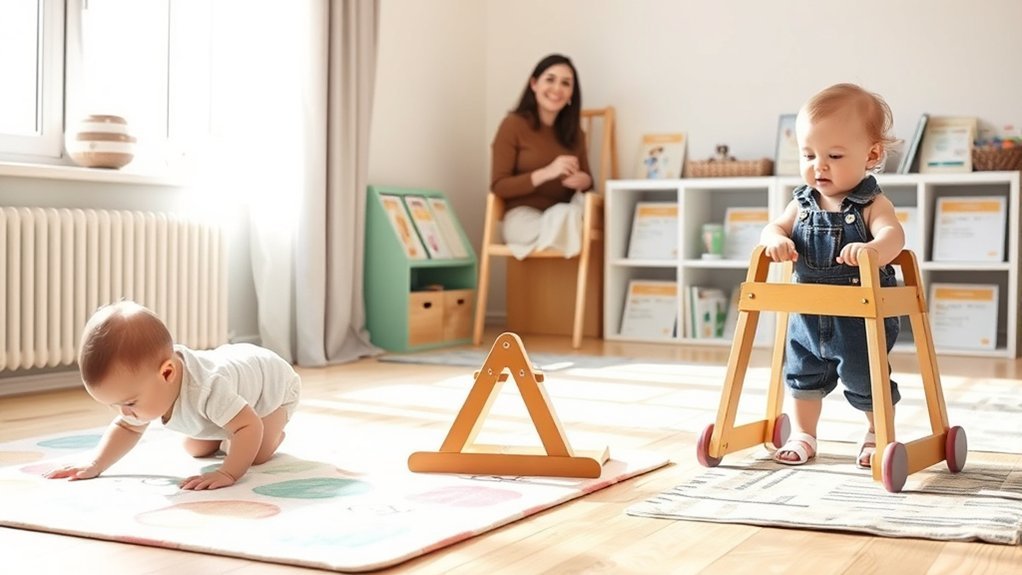
Imagine a parent anxiously wondering why their 14-month-old still isn’t walking, despite their neighbor’s baby taking those first steps at 10 months. It’s easy to get caught up in milestones, but there’s more to development than just age markers. Understanding the nuances behind motor milestones can help you better support your child’s unique journey. What if those common beliefs around crawling and walking aren’t as straightforward as they seem?
Understanding Motor Milestones
Motor milestones refer to the physical skills your child develops as they grow, such as rolling over, sitting up, crawling, and walking. These milestones typically follow a predictable sequence, helping you gauge their progress.
For instance, most infants start to crawl between 6 to 10 months, while walking usually occurs around 12 months. Observing these milestones not only helps you celebrate achievements but also alerts you to potential developmental delays. Engaging in activities that encourage movement—like tummy time or providing safe spaces to explore—can foster these skills. By staying informed, you can support your child’s journey toward reaching their full motor potential. Additionally, annual checkups are essential for monitoring your child’s growth and development.
Common Myths About Walking
Here are some common myths you might encounter:
- All babies walk by 12 months: Every child develops at their own pace; some may walk earlier or later.
- Walking early indicates advanced intelligence: Timing doesn’t correlate with cognitive abilities; each child has unique strengths.
- You should force walking with walkers: Walkers can hinder natural development and pose safety risks.
- Once they start walking, they’re done crawling: Many children alternate between crawling and walking, which is entirely normal.
Understanding these myths helps you nurture your child’s journey toward walking with confidence and patience. Additionally, gaining knowledge about early childhood development can provide valuable insights to support your child during this critical phase.
The Truth About Crawling
Crawling plays an important role in your child’s physical development, often serving as a precursor to walking. It strengthens their muscles, enhances coordination, and improves spatial awareness.
While many believe that crawling is merely a developmental phase, it’s actually essential for developing gross motor skills. You might notice that some children skip crawling altogether, but this doesn’t mean they’ll struggle with walking; every child follows their unique timeline.
However, encouraging crawling can foster confidence and balance. Providing safe spaces for exploration helps your child practice this significant skill. Additionally, resources like Kids Health Info fact sheets can provide guidance on supporting your child’s motor development.
The Role of Individual Differences
When you consider motor milestones, it’s essential to recognize how individual differences shape development.
Factors like genetics, environment, and cultural influences can greatly impact when and how children reach these milestones.
Understanding these variations helps you appreciate that there’s no one-size-fits-all approach to growth.
Genetic Influences on Development
Genetic influences play a crucial role in shaping motor development, as individual differences often determine how and when children reach key milestones. Understanding these genetic factors can help you appreciate the unique path every child takes.
Here are some key points to contemplate:
- Genetic predispositions: Some children may inherit traits that affect muscle tone and coordination.
- Variability in milestones: Genetic differences can lead to variations in the timing of reaching milestones like crawling and walking.
- Physical attributes: Height, weight, and body composition can influence how a child navigates their environment.
- Hereditary conditions: Certain genetic disorders may impact motor skills, requiring tailored approaches in development.
Recognizing these genetic factors can provide valuable insights into each child’s motor journey.
Environmental Impact on Milestones
While genetic factors lay the groundwork for motor development, the environment in which a child grows up considerably shapes their journey toward reaching milestones. Individual differences in experiences, opportunities, and resources play an essential role in this process. Here’s a quick overview of how various environmental factors can impact motor milestones:
| Environmental Factor | Impact on Motor Milestones |
|---|---|
| Access to Play Spaces | Encourages physical exploration |
| Parental Interaction | Boosts confidence and skills |
| Nutrition | Supports overall growth |
| Socioeconomic Status | Influences access to resources |
| Cultural Attitudes | Shapes expectations and play |
Cultural Variations in Growth
Cultural influences can considerably shape how children experience and reach motor milestones, reflecting the unique values and practices of their communities. Your child’s development might differ based on various cultural factors, which can provide insights into their growth journey.
Consider these aspects:
- Parental Interaction: Different cultures have varying levels of physical engagement with children, impacting motor skills.
- Play Practices: The types of play encouraged can either promote or delay certain milestones.
- Social Norms: Expectations around independence can influence when children start walking or crawling.
- Environmental Contexts: Urban versus rural settings might offer distinct opportunities for movement and exploration.
Understanding these cultural variations helps you appreciate the diversity in motor development and supports your child’s unique growth path.
Supporting Your Child’s Development
As you begin the journey of supporting your child’s development, understanding the various factors that influence their motor milestones is essential. Each child develops at their own pace, influenced by genetics, environment, and daily experiences.
Engage in activities that encourage movement, like tummy time or playful crawling games. These not only foster physical skills but also enhance bonding. Creating a safe space for exploration is crucial; let them learn through trial and error.
Additionally, observe their interests—some children might gravitate toward climbing, while others prefer fine motor tasks like stacking blocks. By providing diverse opportunities and positive reinforcement, you’re setting a strong foundation for their growth, ensuring they feel confident in their abilities as they reach new milestones.
When to Seek Professional Guidance
Knowing when to seek professional guidance for your child’s motor development can be essential.
Watch for warning signs like delayed milestones or unusual movements, as these can indicate the need for evaluation.
A professional assessment can provide valuable insights and reassure you about your child’s progress.
Warning Signs to Observe
How can you tell if your child’s motor development is on track or if it might be time to seek professional guidance? Watching for specific warning signs can help you determine when to take action.
If you notice any of the following, it’s wise to consult a professional:
- Your child isn’t reaching key milestones like sitting up or crawling by the expected age.
- They struggle with simple tasks, such as grasping objects or using utensils.
- You observe a noticeable delay in coordination or balance, like falling frequently.
- Your child seems uninterested in physical play or avoids using their limbs.
Recognizing these signs early on can make a significant difference in your child’s development journey.
Professional Evaluation Benefits
Seeking professional evaluation can be essential for your child’s motor development, especially if you’ve noticed any warning signs. Early intervention can make a significant difference.
Professionals can assess your child’s skills and identify specific areas needing support. This evaluation helps you understand whether your child is experiencing developmental delays or if they’re simply taking their own time to reach milestones.
Additionally, receiving expert guidance can alleviate your concerns, providing clarity on what’s typical versus what might require intervention. With a tailored plan, you can support your child effectively at home and in other settings.
Frequently Asked Questions
Can Genetics Influence My Child’s Motor Milestone Development?
Yes, genetics can influence your child’s motor milestone development. Traits inherited from you and your partner may affect their physical abilities, coordination, and overall growth patterns, but environment and stimulation also play essential roles.
How Do Cultural Practices Affect Motor Skill Development?
Cultural practices shape how you encourage your child’s movement. For instance, some cultures emphasize early crawling, while others prioritize sitting. These differences can influence not just timing, but also the types of skills your child develops.
Are There Tools or Toys That Can Help With Motor Skills?
Yes, tools like stacking toys and push walkers can enhance motor skills. Studies show kids who engage with interactive toys develop coordination 30% faster. These engaging activities encourage exploration, fostering both physical and cognitive growth effectively.
What Are the Signs of Delayed Motor Skill Development?
Signs of delayed motor skill development include difficulty sitting up, crawling, or walking at expected ages, lacking coordination, avoiding physical play, and not reaching for toys. Observing these signs can help you seek early intervention.
Is It Normal for My Child to Skip Crawling Altogether?
Yes, it’s normal for some children to skip crawling altogether. Each child develops at their own pace, so focus on their overall progress, observe their behavior, and consult your pediatrician if you have concerns.
Conclusion
In summary, understanding motor milestones is essential for supporting your child’s development. Did you know that about 25% of babies skip crawling altogether yet still walk by their first birthday? This highlights the importance of recognizing individual differences and not adhering to strict timelines. By fostering a nurturing environment and encouraging movement, you can help your child build confidence and skills at their own pace. Remember, every child’s journey is unique, and that’s perfectly okay!
