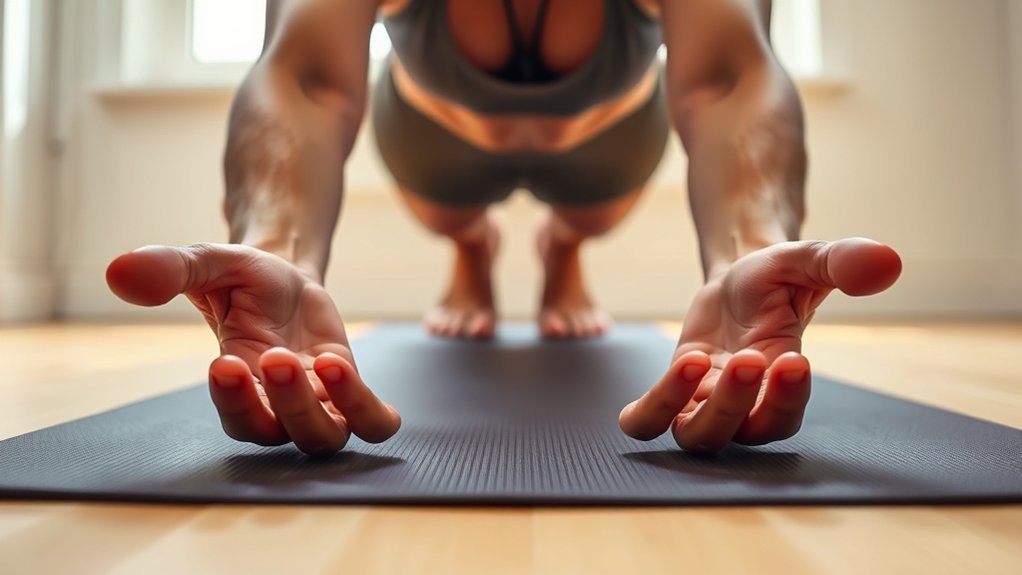
Mini push-ups are the building blocks of upper body strength training. Mastering this exercise sets the stage for long-term progress. Focus on proper form from the start, and you’ll avoid the most common pitfalls while building a solid foundation for harder movements.
Quick Answer
- Mini push-ups are performed with your knees on the ground, making them ideal for beginners.
- They target the chest, shoulders, and triceps while helping build core stability.
- Keep your body in a straight line, elbows at 45 degrees, and breathe steadily throughout.
- Variations like incline, decline, and pause push-ups can increase the challenge as you get stronger.
Understanding the Basics of Mini Push-Ups
When most people think of push-ups, they picture the traditional version that demands serious upper body strength.
Mini push-ups offer a more accessible alternative, perfect for beginners or anyone who needs to modify their workout. You perform them with your knees on the ground, which reduces the amount of weight your upper body has to lift. That makes it easier to build strength progressively while still working your chest, shoulders, and triceps.
Mini push-ups can fit into almost any routine and require no equipment, so you can do them anywhere. They also help improve muscle control and stability without putting too much stress on your joints. Think of them as a stepping stone toward mastering the classic version.
Proper Form and Technique
Good form is what separates a productive mini push-up from one that causes strain. Start by placing your hands shoulder-width apart on the floor. Keep your body in a straight line from head to knees. Lower yourself until your elbows reach roughly a 45-degree angle. Keep your core and glutes engaged throughout. Then push back up smoothly to the starting position.
For a quick reference on proper form, the American Council on Exercise is a reliable source. The table below covers the key points:
| Element | Correct Position | Benefits |
|---|---|---|
| Hands | Shoulder-width apart | Stability during push-up |
| Body Alignment | Straight line | Prevents strain |
| Elbow Angle | 45 degrees | Reduces shoulder stress |
| Core Engagement | Tight and engaged | Enhances overall control |
| Breathing | Inhale down, exhale up | Improves endurance |
Common Mistakes to Avoid
Even with good intentions, a few common errors can slow your progress or lead to injury.
The most frequent one is letting your hips sag or rise too high. This breaks your body alignment and puts unnecessary stress on your lower back. Keep your core tight to maintain that straight line from head to knees.
Another mistake is not going low enough. Aim for a full range of motion to get the most out of each rep. Also, don’t hold your breath. Breathe steadily the whole time.
Finally, slow down. Rushing through reps compromises your technique. Focus on quality over quantity, and you’ll make faster progress while staying injury-free.
Variations to Challenge Yourself
Once the standard mini push-up starts to feel easy, these variations can push you further.
The incline mini push-up has you place your hands on an elevated surface, which shifts emphasis to your upper chest and shoulders.
The decline mini push-up does the opposite. Elevating your feet puts more weight on your arms and increases the overall difficulty.
For a focus on muscular endurance, try the mini push-up plus: pause at the bottom for one full second before pushing back up.
You can also add a rotation at the top. As you rise, twist your torso and reach one arm toward the ceiling. This variation does a great job of engaging your core and adding a stability challenge.
Incorporating Mini Push-Ups Into Your Workout Routine
Mini push-ups are flexible enough to slot into almost any type of workout. Here are a few practical ways to use them:
- Warm-up: A set or two at the start of your session wakes up your chest and shoulders.
- Circuit training: Add them between other exercises for a full-body challenge.
- Superset: Pair them with heavier lifts to maximize intensity without adding extra time.
- Active rest: Use them during breaks to keep your heart rate up.
- Cool down: A few slow, controlled reps at the end of a session can help you wind down while still engaging your muscles.
Frequently Asked Questions
Can Mini Push-Ups Help With Weight Loss?
Yes. Mini push-ups can support weight loss by boosting metabolism and building muscle. Adding them to your routine increases calorie burn and strengthens your upper body, which makes it easier to reach your fitness goals.
How Many Mini Push-Ups Should I Do per Day?
A good starting point is 10 to 20 per day. Gradually increase your reps as you build strength. Consistency matters more than volume early on, so listen to your body and adjust as needed.
Are Mini Push-Ups Suitable for Beginners?
Absolutely. Mini push-ups are a great starting point. They help build strength and confidence without overwhelming you. Start with a manageable number, focus on form, and increase your reps as you get stronger.
Will Mini Push-Ups Improve My Upper Body Strength?
Yes. Mini push-ups target your chest, shoulders, and triceps effectively. Done regularly, they build both strength and endurance over time.
Can I Do Mini Push-Ups While Pregnant?
In many cases, yes, but check with your doctor first. Every pregnancy is different, and your healthcare provider can give you guidance based on your specific situation.
Conclusion
Mini push-ups are a practical, no-equipment exercise that builds real upper body and core strength. Focus on your form, avoid the common mistakes, and use the variations to keep making progress. As you get stronger, you’ll be well-prepared to take on more demanding exercises.
